
Weather prophet (Dimorphotheca pluvialis)
Also known as: White african daisy, Cape marigold
The weather prophet (Dimorphotheca pluvialis) is an annual flower originally from South Africa that has been introduced and naturalized in various regions of the western United States. Its blooms are typically white, often featuring purple or blue accents.
In This Article
Attributes of Weather prophet
Lifespan
Annual, Perennial, Biennial
Plant Type
Herb
Plant Height
23 cm to 46 cm
Spread
1 m
Leaf Color
Green
Flower Size
2.5 cm to 5 cm
Flower Color
White Pink Purple
Images of Weather prophet
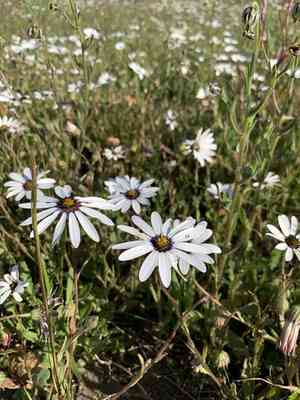
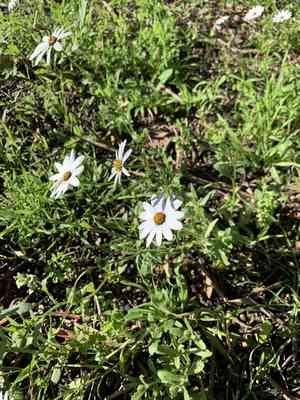


Quickly Identify Weather prophet
1
White ray flowers with purple-tinged bases form daisy-like shapes.
2
Distinctive two types of achenes with winged and flat shapes.
3
Leaves are 3.5 inches (9 cm) long, obovate to oblanceolate, with dentate margins.
4
Balanced mounded profile reaching 1-2 feet (30-60 cm) in height.
5
Blooms primarily during daylight hours, closing at sunset or in overcast conditions.
Scientific Classification of Weather prophet
Phylum
Vascular plants
Class
Dicotyledons
Order
Asterales
Family
Daisy
Genus
Dimorphotheca
Species
Weather prophet
Planting and Growing of Weather prophet
Care Difficulty
Easy
Watering Schedule
Every 3 days
Sunlight Requirements
Full sun
Sunshine Duration
6-10 hours
Ideal Temperature
60-75℉
Soil Type
Potting Mix, Peat Mix
Soil pH
6.5-7.5
Fertilizer Type
Balanced
Pruning Season
Spring, Summer
Pruning Area
Branches, Leaves
Pruning Frequency
2 times a year
Repotting Season
Spring
Pot Type
Terracotta, Plastic
 How to Water Weather prophet?
For Dimorphotheca pluvialis, it's crucial to water the plant thoroughly yet ensure it's not waterlogged. Aim for about 200 ml of water per session, just enough to moisten the soil without causing standing water. This mimics the plant's native conditions and supports healthy growth.
What are the symptoms of an underwatered Weather prophet?
›
What should I do if my Weather prophet is not getting enough water?
›
What are the symptoms of an overwatered Weather prophet?
›
How to save an overwatered Weather prophet?
›
 What Are the Sunlight Requirements for Weather prophet?
Dimorphotheca pluvialis best thrives in full sun conditions. Ideal light enhances photosynthesis, promoting vibrant flowers and robust growth, ensuring aesthetic appeal and plant health.
More About Sunlight Requirements Techniques→
Optimal sunlight hours
›
How to achieve ideal lighting
›
Benefits of ideal sun exposure
›
 What Is the Ideal Temperature Range for Weather prophet?
The optimal temperature range for growing Dimorphotheca pluvialis, also known as Cape Rain Daisy, is 60 to 75 °F. This ensures the plant can photosynthesize efficiently, supporting healthy growth and vibrant blooming. This temperature range provides ample warmth for enzymatic processes and nutrient absorption, vital for the development of lush foliage and flowers.
 What Soil is Best for Weather prophet?
Dimorphotheca pluvialis thrives in well-draining soil, which prevents waterlogging and root rot. Ensuring good drainage helps in maintaining optimal moisture levels, allowing the roots to breathe and promoting robust growth. This plant appreciates a nutrient-rich composition, as it fuels vigorous flower production and lush foliage. A soil enriched with compost or organic matter can significantly enhance growth, delivering a splendid display of blooms. Environments with moderate fertility are ideal for Dimorphotheca pluvialis, as overly rich soils can lead to excessive foliage at the expense of flowers. Balanced fertility supports a harmonious growth pattern with a generous floral display.
 How to Fertilize Weather prophet?
For Dimorphotheca pluvialis, a moderate amount of fertilizer is encouraged. For liquid fertilizers, a concentration of about 10 ml per liter of water is sufficient, ensuring not to over-saturate the soil.
 How to Prune Weather prophet?
Begin by ensuring all your pruning tools are clean and sharp. This minimizes the risk of spreading disease and provides cleaner cuts, which heal faster and reduce plant stress. Locate faded or spent flowers and cut just past the first set of leaves beneath the bloom. This technique, known as deadheading, promotes new flower production and keeps your plant looking tidy. In addition to deadheading, you can trim back the stem tips by an inch or two to stimulate bushy growth. Aim to create a balanced shape by evenly pruning around the plant.
More About Pruning Techniques→
 How to Propagate Weather prophet plant?
1
Fill seed trays with quality potting soil, ensuring they are clean to prevent disease. Moisten the soil slightly so that it's damp but not waterlogged, making it ready for seed sowing.
2
Scatter or plant the seeds evenly over the soil surface. Cover lightly with a thin layer of soil to ensure contact with soil while allowing light exposure, which is necessary for germination.
3
Keep the soil consistently moist by watering lightly whenever the surface soil appears dry. Avoid overwatering as well as dryness to maintain uniform moisture levels needed for proper germination.
 How to Repot Weather prophet plant?
1
Dimorphotheca pluvialis, also known as the rain daisy, should be repotted when it exhibits slower growth, roots circling the pot, or when water drains too quickly. Early spring and summer are ideal times, aligning with active growth periods for minimal shock.
2
Select a pot that is just one size larger than the current one. Ensure it has drainage holes to prevent waterlogging, which can be detrimental to the roots. A pot that is too large might retain too much moisture, risking root rot.
3
Opt for well-draining, sandy soil to emulate its natural environment. This type of soil prevents waterlogging, reduces the risk of diseases, and supports healthy root growth, facilitating the daisy's thriving in container life.
Learn More About Weather prophet Diseases
Anthracnose
Bacterial Leaf Spot
Bacterial Soft Rot
Bacterial Wilt
Black Spot
Chemical Injury
Damping-off
Downy Mildew
Drought Stress
Fusarium Wilt
Gray Mold
Leaf Spot
Mosaic
Nutrient Deficiency
Nutrient Toxicity
Powdery Mildew
Root Rot
Root-knot Nematode
Rusts
Sooty Mold
Spider Mites
Temperature Stress
Thrips Damage
White Mold



