How to Transplant Elephant apple?
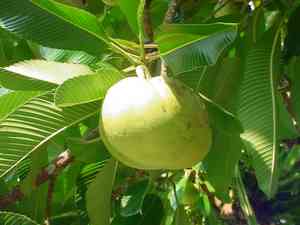
Elephant apple is ideally relocated as the cold recedes, usually from early to mid-spring, flourishing when shifted during this phase of renewed development. Select a brightly lit, adequately draining location and provide elephant apple with sufficient space to prosper, guaranteeing a smooth adjustment.
Essential Preparations Before Relocating Elephant Apple
Optimal Period for Transplanting Elephant Apple
The best time for moving elephant apple is at the start of spring, offering a perfect mix of mild temperatures and workable soil to encourage root development. Shifting elephant apple during this season ensures the plant has sufficient time to establish a robust root system before summer's demands. By transplanting in gentle spring weather, elephant apple experiences less shock, promoting healthier growth and a strong beginning in its new spot.
Required Spacing Between Elephant Apple Plants
When relocating elephant apple, it's crucial to allow ample room for expansion. Aim for a distance of approximately 15-20 feet (4.5-6 meters) between each plant. This will provide each elephant apple enough space to grow and flourish with reduced competition for nutrients.
Ideal Soil Blend for Elephant Apple Transplantation
For elephant apple, the best soil is well-draining and rich in organic material. A starter fertilizer high in phosphorus mixed into the planting hole aids in improving root growth. Remember: Proper soil preparation sets the foundation for a thriving plant!
Selecting a New Location for Your Elephant Apple
Choose a sunny spot for your elephant apple as it thrives with abundant sunlight. However, it can also endure some shade. It's best to move your elephant apple to a location that receives morning sun and some afternoon shade for optimal development.
Tools Required Before Transplanting Elephant Apple
Gardening Gloves
To safeguard your hands while handling the plant and soil.
Shovel or Spade
For excavating the plant from its original site and assisting in its placement in the new home.
Garden Trowel
To create a suitably sized hole for the elephant apple plant.
Hose or Watering Can
For keeping the elephant apple plant hydrated before, during, and after the relocation process.
Mulch
To shield the newly transplanted plant from weed growth and to maintain the soil's moisture level.
Stakes and Ties
For offering support to elephant apple plant if needed.
How to Extract Elephant Apple from the Ground
How to Extract Elephant Apple from the Ground
From Ground: To remove elephant apple plant from the ground, begin by watering the plant to moisten the soil. Then, using a spade, dig a wide trench around the plant to encompass the root ball's size. Ensure you dig in a circular pattern, keeping the roots as intact as possible. Carefully lift the plant along with its root ball.From Pot: If the elephant apple is in a container, water it thoroughly. Then gently tilt the pot and tap it to loosen the soil. Carefully pull the plant out, avoiding any damage to the roots. If the plant is stuck, you might need to break the pot.From Seedling Tray: Gently hold the elephant apple plant at the base of its stem, twist and pull it out from the growing medium without disturbing the root system, ensuring the roots remain intact.
Step-by-Step Guide for Relocating Elephant Apple
Digging
Using a shovel or trowel, excavate a hole that's twice as wide and equally deep as the plant's root ball. Ensure the bottom of the hole is firm to keep the plant at the same level as it was in its previous spot.
Placement
Position elephant apple in the hole, making sure it stands upright. Confirm that the top of the original soil line is at ground level.
Filling
Backfill the hole halfway with native soil. Then gently firm down the soil to eliminate air pockets without compacting it too densely. Fill the remaining portion of the hole with soil, remembering not to mound it around the stem.
Watering
Water the plant thoroughly to settle the soil around the roots and aid its recovery from the shock of being moved.
Staking
If necessary, stake the elephant apple plant to provide stability during the initial weeks.
Mulching
Encircle the plant with a layer of mulch, which will help suppress weed growth and retain soil moisture.
Post-Transplant Care for Elephant Apple
Consistent Watering
Water the elephant apple regularly, being careful not to overwater, which can lead to root rot. The aim is to keep the soil consistently moist, but not waterlogged. As the plant establishes, you can reduce watering frequency.
Weed Management
Periodically check for and remove any weeds around the plant; they can compete with the elephant apple for vital nutrients and water.
Pest/Disease Surveillance
Monitor the elephant apple for indications of pests or diseases, as relocation can stress the plant and increase its susceptibility. If you observe anything unusual, address it as promptly as possible.
Adjust Support
As your elephant apple grows, adjust the ties on the stakes to prevent any damage or impediment to growth.
Addressing Common Issues with Elephant Apple Transplantation.
When is the best time for transplanting elephant apple?
The optimal season to transplant elephant apple is during S1-S2. This is when the plant can best adapt to new soil, increasing its chances of survival.
What should be the ideal distance between each elephant apple plant?
A healthy spacing for each elephant apple should be around 15-20 feet (4.5-6 meters). This prevents competition for resources and minimizes the risk of disease spread.
Should the roots of elephant apple be pruned before transplanting?
No, avoid aggressive pruning of elephant apple's roots. Moderate trimming, especially for any damaged roots, is beneficial but overall, be gentle to avoid unnecessary stress to the plant.
What kind of soil is best for elephant apple transplantation?
Rich, loamy soil is ideal. Having good drainage is critical though, as elephant apple does not tolerate waterlogging. Amend the soil with organic matter for best results.
How deep should the hole be for transplanting elephant apple?
The hole should be twice as wide and the same depth as the root ball. This helps stimulate root growth and provide enough room for the roots to spread.
How often should I water elephant apple after transplanting?
Initially, you must keep the soil consistently moist but not soggy for elephant apple. Once established, ease back the watering gradually to avoid waterlogging.
Should I fertilize elephant apple after transplanting?
You can add a modest amount of slow-release granular fertilizer in the planting hole. However, avoid over-fertilizing as this can burn the roots and affect its adjustment to the new environment.
Is it necessary to stake elephant apple after transplanting?
Yes, it's a good practice to stake elephant apple after transplanting especially if it's a larger specimen. This will provide extra support to the tree during its initial adjustment period.
What are the signs of a successful elephant apple transplanting process?
Signs include abundant leaf growth, the presence of new shoots, thickening of branches and the stimulation of flower buds. If these are evident, your elephant apple is adjusting well.
What should I do if elephant apple's health declines after transplanting?
First, check the watering schedule as stress may be caused by over or under-watering. Next, check the sun exposure and soil condition. If problems persist, consult a local nursery or extension service.



