How to Transplant Grecian foxglove?
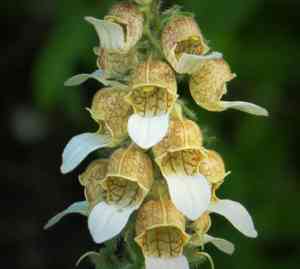
The most suitable period for relocating grecian foxglove is at the onset of new growth in early spring, which aids in root development. Select a bright spot with soil that drains effectively, and if needed, amend it with compost to boost overall health.
Essential Preparations Before Relocating Grecian Foxglove
Optimal Timing for Moving Grecian Foxglove?
The prime period for relocating grecian foxglove is the revitalizing season of spring. During this time, mild weather conditions encourage strong root growth, ensuring grecian foxglove thrives. Moving grecian foxglove in this season aligns with its natural life cycle, boosting survival rates and plant vigor, providing a head start before summer's arrival. Seize this ideal transplanting window to experience grecian foxglove's full potential.
Recommended Spacing Between Grecian Foxglove Plants?
No need to worry, even if gardening is new to you, this is manageable! Ideally, grecian foxglove should be positioned approximately 2-3 feet (60-90 cm) apart. This provides ample room for each plant to develop without competing for nutrients. Happy planting!
Ideal Soil Blend for Grecian Foxglove Transplanting?
For grecian foxglove to grow optimally, you should prepare soil that drains well and is rich in organic material. A foundational fertilizer such as compost or aged manure would be excellent. Remember to thoroughly mix it into the soil before transplanting.
Where to Replant Your Grecian Foxglove?
Ready for the next stage? Grecian foxglove thrives in full sun to light shade. Therefore, locate a spot in your garden that receives ample sunlight for most of the day but also offers some shade. Perfect! You are now fully prepared to begin transplanting!
Tools Required Before Transplanting Grecian Foxglove?
Gardening Gloves
To safeguard your hands from thorns and potential skin irritants when handling grecian foxglove.
Shovel or Garden Spade
To excavate the grecian foxglove from its current spot and prepare the new planting hole.
Garden Hose or Watering Can
To hydrate the plant before and after relocation to minimize transplant shock.
Wheelbarrow or a Tarp
To move the grecian foxglove from its original location to the new planting site without harming the roots.
Stakes and Gardening Twine
To offer support to your grecian foxglove if necessary, as it can become top-heavy post-transplant.
How to Extract Grecian Foxglove from the Soil?
How to Extract Grecian Foxglove from the Soil?
From Ground: Start by watering the grecian foxglove plant to moisten the surrounding soil, which will simplify digging and reduce stress on the plant. Next, dig a wide circle around the grecian foxglove to include all roots, ensuring you dig deep enough to retrieve the entire root ball. Carefully lift the plant from the ground without straining the roots.From Pot: Water the potted grecian foxglove thoroughly to facilitate easier removal. Tilt the pot sideways, grasp the plant at its base, and gently pull. If it's stuck, use a garden knife to loosen the edges. The objective is to keep the root ball intact.From Seedling Tray: Water the seedlings first to lessen root damage. Then, carefully lift the grecian foxglove seedling from the tray, aiming to include as many roots as possible. Avoid pulling or tugging on the seedling, as this could harm the delicate roots.
Step-by-Step Guide for Relocating Grecian Foxglove
Excavating the Hole
Begin by digging a hole that is twice as wide and equally as deep as the plant's original root ball. This extra space will allow the roots to spread and establish themselves.
Positioning the Plant
Place the grecian foxglove into the hole, ensuring it is at the same depth as it was in its previous location. The top of the root ball should be level with the surrounding soil surface.
Backfilling Soil
Refill the hole with the excavated soil, filling the gaps around the plant's root ball. Do not press down too firmly, as this could compact the soil and impede root growth.
Watering
Thoroughly water the grecian foxglove after transplanting. This will help settle the soil around the roots and aid in reducing transplant shock.
Monitoring
Closely observe the grecian foxglove after transplanting, particularly during the initial weeks. If needed, provide additional support by loosely tying it to a stake.
Post-Transplant Care for Grecian Foxglove
Watering
Ensure your grecian foxglove receives adequate hydration, especially during its first few weeks after relocation. Both overwatering and underwatering can be detrimental, so maintain a proper balance.
Mulching
Applying a layer of organic mulch around the grecian foxglove can help retain soil moisture and regulate soil temperature, promoting healthier development.
Disease and Pest Inspection
Regularly check your grecian foxglove for any indications of disease or pests. Prompt intervention can prevent minor issues from escalating into significant problems.
Re-Staking
If your grecian foxglove starts to lean or fall, re-stake it for additional support. Make sure the twine is tied loosely to avoid damaging the stem or hindering growth.
Addressing Common Issues with Grecian Foxglove Transplantation.
When is the optimal time to transplant grecian foxglove?
The best time for transplanting grecian foxglove is during the cooler seasons of the year, typically from late autumn to early spring.
What spacing should I use when planting grecian foxglove?
Each grecian foxglove plant should ideally be spaced approximately 2-3 feet (60-90 cm) apart to prevent overcrowding and ensure robust growth.
How deep should I plant grecian foxglove when transplanting?
The roots of grecian foxglove should be planted sufficiently deep to avoid exposure. Generally, planting at the same depth as the original pot is recommended.
Is immediate watering necessary for grecian foxglove after transplanting?
Yes. Water grecian foxglove thoroughly right after transplanting. This assists in settling the soil around the roots, fostering better root and plant development.
How can I ensure successful rooting of my grecian foxglove after transplanting?
After transplant, keep grecian foxglove in a shaded location, protected from direct sunlight until the plant shows new growth, indicating successful rooting.
Can I transplant grecian foxglove to a location with full sun exposure?
Grecian foxglove plants appreciate sun exposure. However, in hot climates, partial to full shade is advised to prevent leaf scorching.
Should I add any special soil amendments when transplanting grecian foxglove?
Grecian foxglove is not particularly demanding, but well-drained soil enriched with organic matter can help stimulate vigorous growth.
How do I prevent transplant shock in grecian foxglove?
Ensure not to damage the roots during transplanting. Furthermore, keep the plant well-hydrated, and initially, shield it from harsh weather conditions.
Should I prune grecian foxglove before transplanting?
Pruning is not typically required for transplanting grecian foxglove. However, removing dead or diseased parts can help the plant establish itself more quickly.
Will grecian foxglove bloom in the same season after transplanting?
Depending on the variety and transplanting time, grecian foxglove might not bloom until the subsequent growing season as it prioritizes root establishment first.



