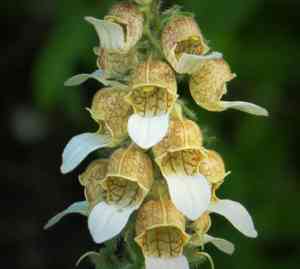
Grecian foxglove (Digitalis lanata)
Also known as: Greek foxglove, Wooly digitalis, Austrian foxglove, Digitalis
Grecian foxglove (Digitalis lanata) is a widespread plant, particularly common in Eastern Europe, but present globally except in Antarctica. Every part of the plant is poisonous, potentially causing symptoms such as nausea, vomiting, visual disturbances, and in severe cases, convulsions.
In This Article
Attributes of Grecian foxglove
Lifespan
Perennial, Biennial
Plant Type
Herb
Plant Height
1 m
Spread
40 cm
Leaf Color
Green
Flower Size
1 to 2 inches (2.5 to 5 cm)
Flower Color
Cream Yellow Brown
Images of Grecian foxglove
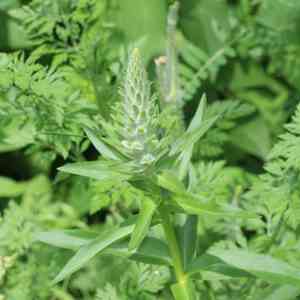
Quickly Identify Grecian foxglove
1
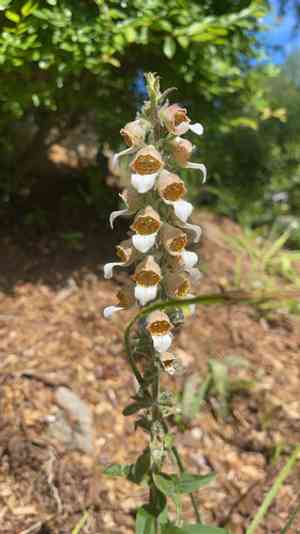
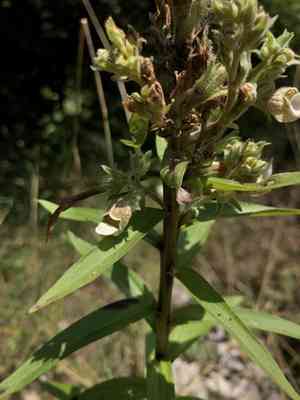
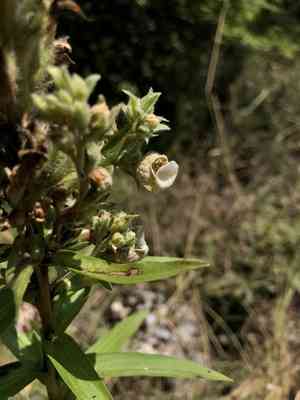
Digitalis lanata can be identified by its tall spikes of tubular, white to pale yellow flowers with brownish-purple veins, and its woolly, lanceolate leaves. The plant can grow up to 3 feet tall and has a rosette of leaves at the base.
Scientific Classification of Grecian foxglove
Phylum
Vascular plants
Class
Dicotyledons
Order
Lamiales
Family
Plantain
Genus
Foxgloves
Species
Grecian foxglove
Planting and Growing of Grecian foxglove
Care Difficulty
Hard
Watering Schedule
Every 3 days
Sunlight Requirements
Partial sun
Sunshine Duration
4-6 hours
Ideal Temperature
60-70℉
Soil Type
Potting Mix, Peat Mix
Soil pH
6.5-7.5
Fertilizer Type
Balanced
Pruning Season
Spring, Summer
Pruning Area
Branches, Leaves
Pruning Frequency
2 times a year
Repotting Season
Spring
Pot Type
Plastic, Ceramic
 How to Water Grecian foxglove?
Digitalis lanata, also known as Grecian foxglove, requires careful watering to thrive. Aim to water the plant until the soil is moist but not waterlogged, which usually means about 500 ml per session for an average-sized potted plant.
What are the symptoms of an underwatered Grecian foxglove?
›
What should I do if my Grecian foxglove is not getting enough water?
›
What are the symptoms of an overwatered Grecian foxglove?
›
How to save an overwatered Grecian foxglove?
›
 What Are the Sunlight Requirements for Grecian foxglove?
Digitalis lanata ideally grows in partial sun conditions, where it can receive dappled sunlight throughout the day. This lighting promotes vibrant foliage and prolific blooms, enhancing its ornamental appeal.
More About Sunlight Requirements Techniques→
Importance of Adequate Light
›
Solutions for Optimal Exposure
›
Benefits of Proper Lighting
›
 What Is the Ideal Temperature Range for Grecian foxglove?
The ideal temperature range for growing Digitalis lanata lies between 60°F and 70°F. This moderate temperature range helps in maintaining optimal physiological processes like photosynthesis and respiration, ensuring robust growth and blooming. Consistent temperatures within this range will promote healthy foliage and abundant flowering while minimizing stress on the plant.
 What Soil is Best for Grecian foxglove?
Digitalis lanata thrives in nutrient-rich soil that supports its dynamic growth needs. Adequate nutrients ensure robust flowering, aiding in the plant's natural propagation and enhancing its medicinal value. Ensuring good drainage prevents root rot and fungal diseases, keeping Digitalis lanata healthy and vibrant. The plant excels in well-drained soils, reflecting its preference for an environment that avoids waterlogging. The soil should retain some moisture but allow adequate air circulation. This balance ensures consistent water availability without suffocating the roots, vital for the plant’s sustained growth and health.
 How to Fertilize Grecian foxglove?
Digitalis lanata, also known as woolly foxglove, requires a balanced fertilizer. A general-purpose liquid fertilizer diluted to half the recommended strength is suitable. Apply about 200 ml per plant during the growing season. For slow-release fertilizers, follow the package instructions, usually around 30 grams per application.
 How to Prune Grecian foxglove?
Begin by sterilizing your pruning shears to prevent disease transmission. Cut back any dead or damaged leaves and stems. Focus on removing older stems at the base to encourage new growth. Snip above a node or lateral bud to promote bushier foliage. Digitalis lanata, also known as woolly foxglove, should be pruned after its flowering period. Remove spent flower spikes to prevent the plant from diverting energy into seed production. This encourages a stronger root system and potentially a second bloom cycle.
More About Pruning Techniques→
 How to Propagate Grecian foxglove plant?
1
Begin by filling a seed tray with a sterile potting mix. Lightly scatter Digitalis lanata seeds on the surface and gently press them into the soil. Ensure they're exposed to light as the seeds require light for germination.
2
After sowing, water the seeds lightly to ensure the soil is moist but not waterlogged. Use a spray bottle to avoid displacing the seeds. Keep the soil consistently moist during the germination period.
3
Once the seedlings develop a few true leaves, transplant them into individual pots or directly into the garden. Ensure you handle the seedlings carefully to avoid damaging the delicate roots.
 How to Repot Grecian foxglove plant?
1
Digitalis lanata should be repotted when its roots start to outgrow the current pot, typically evidenced by roots emerging from the drainage holes or stunted growth. Late spring or early summer are ideal times as the plant is in its active growth phase, allowing it to recover more swiftly from any disturbance.
2
Select a container that is one size larger than the current pot to give the roots ample space to spread. Ensure it has drainage holes to prevent waterlogging, which can lead to root rot. A pot made of breathable material like terracotta can regulate soil moisture better, promoting healthier root growth.
3
Opt for a well-draining potting mix that retains some moisture but prevents water from sitting at the bottom of the pot. A blend that contains perlite or sand ensures good drainage, mimicking the plant's natural habitat, thereby reducing the risk of root diseases.
Toxicity
Ingestion, Contact
WARNING
The judgment on toxicity and danger is for reference only. We DO NOT GUARANTEE any accuracy of such judgment. Therefore, you SHALL NOT rely on such judgment. It is IMPORTANT TO SEEK PROFESSIONAL ADVICE in advance when necessary.
Learn More About Grecian foxglove Diseases
Anthracnose
Bacterial Leaf Spot
Bacterial Soft Rot
Bacterial Wilt
Black Spot
Chemical Injury
Crown Gall
Cyst Nematode
Damping-off
Downy Mildew
Drought Stress
Fusarium Wilt
Gray Mold
Leaf Curl
Leaf Spot
Mosaic
Nutrient Deficiency
Nutrient Toxicity
Powdery Mildew
Root Rot
Root-knot Nematode
Rusts
Sooty Mold
Spider Mites
Temperature Stress
Thrips Damage
White Mold



