How to Transplant Bride's saddle?
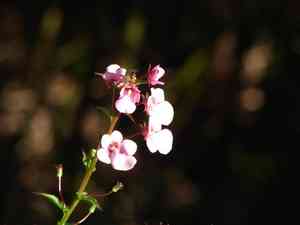
Bride's saddle flourishes most effectively when transplanted at the beginning of the growing period, usually following the final frost. Select a sunny location with good drainage to guarantee its prosperity, and if needed, amend the soil with compost to encourage peak development.
What Preparations are Needed Before Transplanting Bride's Saddle?
What is the Ideal Time for Transplanting Bride's Saddle?
Choose the revitalizing period of early spring, as nature awakens, to relocate bride's saddle. This timing aligns with its natural growth cycle, improving root establishment and minimizing shock. Moving bride's saddle during this season maximizes its potential for strong growth and abundant flowers. Embrace this time of mild temperatures and increased moisture, providing a welcoming environment for new roots to flourish.
How Much Space Should You Leave Between Bride's Saddle Plants?
When moving bride's saddle, ensure adequate room for its development. Maintain a distance of approximately 1-2 feet (30-60 cm) between each plant. This not only allows for growth but also guarantees proper air circulation.
What is the Best Soil Mix for Bride's Saddle Transplanting?
Prepare your soil for bride's saddle by ensuring it's a well-draining type, such as loamy or sandy. A blend of equal parts garden soil, compost, and perlite typically works well. A good application of a balanced, slow-release granular fertilizer will give it an excellent start.
Where Should You Relocate Your Bride's Saddle?
For bride's saddle, select a spot that receives full sun to partial shade. It thrives in both, but more sunlight encourages more blooms. Therefore, a location getting 6-8 hours of direct sunlight daily would be optimal. Ensure your bride's saddle doesn't get excessively hot, however!
What Equipments Should You Prepare Before Transplantation Bride's Saddle?
Shovel or Garden Spade
To excavate the plant from its initial spot and create the new planting hole.
Gardening Gloves
To safeguard your hands while handling the plant and working with soil.
Wheelbarrow or Bucket
To move the bride's saddle from its original position to the new planting area.
Watering Can or Hose
To hydrate the bride's saddle during the relocation process.
How Do You Remove Bride's Saddle from the Soil?
How Do You Remove Bride's Saddle from the Soil?
From Ground: First, moisten the soil around the bride's saddle plant to soften it and facilitate digging. Using a shovel or garden spade, carefully begin digging a wide circle around the plant, far enough away to avoid disturbing the roots. Once the circle is made, dig beneath the plant at an angle towards the center. The goal is to lift a soil mass containing all the plant's roots.From Pot: Before starting, ensure you water the bride's saddle plant in its container, as a properly hydrated potted plant is much easier to transplant than a dry one. Place one hand at the plant's base, inverting the pot or tilting it sideways. Gently ease the root ball out. You might need to tap the pot a few times to loosen it.From Seedling Tray: Carefully pick up the bride's saddle seedling by its leaves, as stems are easily damaged. Be sure to lift the seedling along with any roots extending below the seedling plug.
Step-by-Step Guide for Transplanting Bride's Saddle
Preparing the Plant
Each bride's saddle plant should be thoroughly watered before you intend to remove it from its initial location. This will help the soil adhere to the roots during the transplanting process.
Digging the Hole
In your chosen spot, excavate a hole that is twice the width and the same depth as the root ball of your bride's saddle. This provides ample room for the roots to spread and grow.
Planting
Center the bride's saddle in its hole. Backfill the soil around the plant, gently firming it. The bride's saddle should be planted at the identical depth it was in its original location.
Watering
Once your bride's saddle is relocated, water it generously. This will settle the soil around it and aid its establishment in the new location.
How Do You Care For Bride's Saddle After Transplanting?
Watering
Initially after transplanting, it's vital to keep the soil damp. This doesn't mean waterlogging the bride's saddle but keeping it adequately hydrated to encourage root growth and allow it to settle in.
Mulching
Applying a layer of organic mulch around the bride's saddle can help conserve moisture, suppress weeds, and regulate soil temperature.
Monitoring
Observe the bride's saddle's development. Transplant shock is common, and the plant may wilt initially but should recover with proper care. If the plant continues to appear unhealthy, further attention may be necessary.
Troubleshooting Common Issues with Bride's Saddle Transplantation.
What is the best season to transplant bride's saddle?
The optimal season to transplant bride's saddle is during S1. It's during this period that the plant will have the best capacity to recover and establish its roots.
What spacing should I maintain when transplanting bride's saddle?
When relocating bride's saddle, ensure to leave a gap of approximately 1-2 feet (30-60 cm). This provides your plant with sufficient room to expand and grow.
What should I do if my transplanted bride's saddle is wilting?
Bride's saddle may wilt due to transplant shock. Be patient, continue regular watering, but avoid overwatering. The plant should recover within a couple of weeks.
How often should I water bride's saddle after transplanting?
Immediately after moving bride's saddle, keep the soil consistently moist but not saturated. Over the following weeks, adjust watering as the plant becomes established.
How much sunlight does a transplanted bride's saddle require?
Bride's saddle needs full sun to light shade. After transplanting, gradually introduce it to sunlight to prevent shock.
Should I use fertilizer when transplanting bride's saddle?
Yes, but with caution. A slow-release fertilizer can assist bride's saddle in establishing itself in its new location. However, remember not to over-fertilize as it can damage the roots.
Why are the leaves of my transplanted bride's saddle turning yellow?
Yellowing leaves could indicate excessive watering, poor drainage, or a nutrient deficiency. Check the soil conditions and consider adjusting watering habits or adding appropriate fertilizer.
How deep should I plant bride's saddle during transplanting?
When planting bride's saddle, the top of the root ball should be level with or slightly above the ground surface. This promotes healthy root development.
Can bride's saddle handle transplantation?
Bride's saddle can tolerate transplantation, provided you take measures to minimize shock. This includes keeping it well-watered, transplanting it during S1, and providing it with proper care post-transplant.
What signs should I look for to know if bride's saddle has successfully adapted after the transplant?
Vigorous new growth, such as strong stems and bright, fresh leaves, is a good indicator that bride's saddle has successfully adjusted to its new location.



