How to Transplant 'uki'uki?
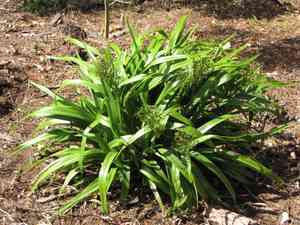
The optimal period for relocating 'uki'uki spans from the latter part of spring into the peak of summer, facilitating robust root development. To achieve favorable results, select a location with good drainage and partial sun exposure, then carefully aerate the adjacent soil to aid in adaptation.
What Preparations are Needed Before Transplanting 'uki'uki?
What is the Ideal Time for Transplanting 'uki'uki?
The perfect time to move 'uki'uki is from late spring's gentle breezes through mid-summer's warm glow. This period offers the warmth and stable weather crucial for 'uki'uki's roots to take hold. Transplanting 'uki'uki then allows them to adapt and flourish, building a strong base for year-round vitality. Embrace this season for its ideal balance of mild temperatures and longer days, which support the healthy development of 'uki'uki's root system, ensuring a smooth transition and success in its new spot.
How Much Space Should You Leave Between 'uki'uki Plants?
Greetings! When relocating 'uki'uki, aim for a spacing of about 18-24 inches (45-60 cm) between them. This provides each plant ample room to grow and thrive without competing for nutrients or sunlight.
What is the Best Soil Mix for 'uki'uki Transplanting?
For your 'uki'uki, you'll want to blend some organic compost into your current soil for an added boost! A well-draining soil type is perfect, and incorporating a mild, balanced fertilizer will set your 'uki'uki up for a great start.
Where Should You Relocate Your 'uki'uki?
Choosing a sunny location with some afternoon shade will make your 'uki'uki happiest! Ensure the spot receives partial to full sunlight daily. This balance helps 'uki'uki thrive and display its beauty.
What Equipments Should You Prepare Before Transplantation 'uki'uki?
Gardening Gloves
To safeguard your hands while handling soil and plants.
Shovel or Spade
For excavating the plant and preparing the new planting site.
Hand Trowel
For more precise root work if necessary.
Watering Can or Hose
To hydrate the plant both prior to and following its relocation.
Pruning Shears
To trim any damaged roots or foliage.
Wheelbarrow or Garden Cart
To move the plant and soil if required.
Measuring Tape
To ensure correct spacing from other plants during transplantation.
How Do You Remove 'uki'uki from the Soil?
How Do You Remove 'uki'uki from the Soil?
From Ground: Start by watering the 'uki'uki to soften the soil for easier handling. Then, carefully dig a wide trench around the plant, taking care not to harm the root ball. Use the shovel or spade to gently lift the root ball from the soil, keeping as much soil attached to the roots as possible.From Pot: First, water the 'uki'uki to facilitate easier root removal. Turn the pot on its side and gently tap the sides and bottom to loosen the soil. Grasp the plant's base and slowly pull it out, ensuring the root ball is supported.From Seedling Tray: Moisten the soil in the seedling tray. Use a hand trowel or similar tool to carefully lift each 'uki'uki seedling, making sure to maintain the root ball's integrity and avoid damaging the young roots.
Step-by-Step Guide for Transplanting 'uki'uki
Digging the Hole
Excavate a hole in the ground that is twice as wide and equally as deep as the 'uki'uki's root ball.
Inspecting the Roots
Examine the root ball for any circling or girdling roots and gently separate them with your fingers.
Placing the Plant
Position the 'uki'uki in the center of the hole, ensuring it is planted at the same depth as its previous location, with the top of the root ball level with the soil surface.
Backfilling
Carefully refill the hole with soil, gently firming it around the root ball to remove air pockets without overly compacting the soil.
Watering
Thoroughly water the 'uki'uki after planting to settle the soil and eliminate any remaining air pockets.
How Do You Care For 'uki'uki After Transplanting?
Initially Watering
For the first few weeks, provide deep and consistent watering to the 'uki'uki to aid root establishment, ensuring the soil doesn't become waterlogged.
Mulching
Apply a layer of mulch around the base of the 'uki'uki to help retain moisture and regulate soil temperature.
Pruning
Trim any damaged or diseased foliage to allow the 'uki'uki to direct its energy towards developing new roots.
Troubleshooting Common Issues with 'uki'uki Transplantation.
How do I know when it's best to transplant 'uki'uki?
For optimal results, aim to transplant 'uki'uki during late spring to mid-summer when the plant is in a vigorous growth phase.
What spacing is ideal for 'uki'uki when transplanting?
Provide each 'uki'uki with room to flourish by spacing them 18-24 inches (45-60 cm) apart.
How much soil should I prepare for transplanting 'uki'uki?
Prepare a generous hole, ensuring it's twice as wide as the root ball but just as deep, to encourage growth without burying the stem.
Should I water 'uki'uki immediately after transplanting?
Yes, give 'uki'uki a thorough watering to help settle the soil, alleviate transplant shock, and promote root establishment.
What kind of light conditions does 'uki'uki require after transplanting?
Choose a spot where 'uki'uki will receive full to partial sunlight, ensuring it gets ample light to thrive but not too intense to stress it post-transplant.
How do I handle 'uki'uki's roots during transplanting?
Carefully tease apart any circling roots to prevent girdling, and spread them outward when planting to foster a strong, expansive root system.
What is the ideal depth for transplanting 'uki'uki?
Transplant 'uki'uki so the top of the root ball is level with the surrounding ground, avoiding the burying of its base.
Can I fertilize 'uki'uki during transplanting?
Itâs best to wait until 'uki'uki has settled and shows signs of new growth before fertilizing to avoid burning the roots.
What are the signs of transplant shock in 'uki'uki?
Look out for wilting, yellowing leaves, or stunted growth, all indicators that 'uki'uki is stressed and may need extra care.
Should I mulch around 'uki'uki after transplanting?
Mulching helps retain soil moisture and moderate temperature fluctuations, so applying a 2-3 inch (5-7.5 cm) layer around 'uki'uki can be beneficial.



