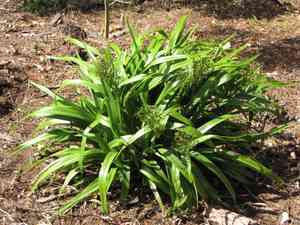
'uki'uki (Dianella sandwicensis)
Also known as: Hawaiian Dianella, Ukiuki
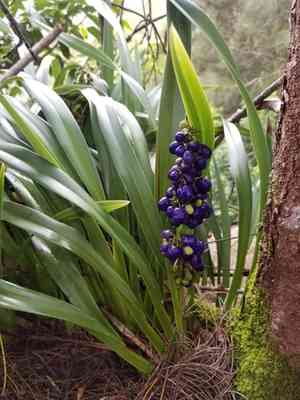
The plant you're referring to is Dianella, also known as 'uki'uki. This resilient plant resembles grass and features striking deep blue berries. It thrives in dry conditions and provides a safe haven for small birds within its dense foliage, making it a versatile addition to any garden.
In This Article
Attributes of 'uki'uki
Lifespan
Perennial
Plant Type
Herb
Plant Height
2 to 3 feet
Spread
1 to 2 feet
Leaf Color
Green
Flower Size
0.5 inches
Flower Color
Pale purple or blue
Images of 'uki'uki
Quickly Identify 'uki'uki
1
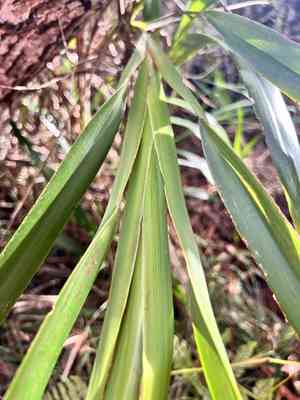
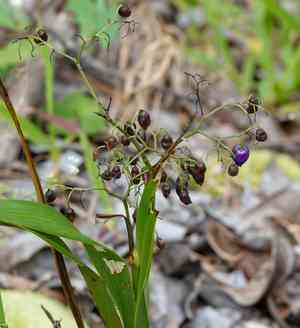
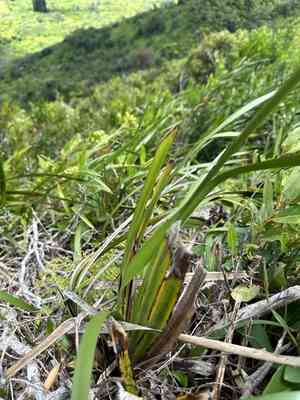
Dianella sandwicensis can be identified by its long, slender, sword-shaped leaves that grow in a dense clump. The plant bears small, star-shaped, pale purple or blue flowers on a spike, followed by striking bright blue berries.
Scientific Classification of 'uki'uki
Phylum
Vascular plants
Class
Monocotyledons
Order
Asparagales
Family
Asphodel
Genus
Flax lilies
Species
'uki'uki
Planting and Growing of 'uki'uki
Care Difficulty
Easy
Watering Schedule
Every 2 days
Sunlight Requirements
Full sun
Sunshine Duration
4-8 hours
Ideal Temperature
60-85℉
Soil Type
Potting Mix, Peat Mix
Soil pH
6.5-7.5
Fertilizer Type
Balanced
Pruning Season
Spring, Summer
Pruning Area
Branches, Leaves
Pruning Frequency
2 times a year
Repotting Season
Spring
Pot Type
Plastic, Ceramic
 How to Water 'uki'uki?
Dianella sandwicensis prefers a watering routine that ensures the soil remains consistently moist but not waterlogged. The plant should be watered to a depth where about 500 milliliters of water are adequate to reach its roots deeply, promoting healthy growth and vibrant foliage.
What are the symptoms of an underwatered 'uki'uki?
›
What should I do if my 'uki'uki is not getting enough water?
›
What are the symptoms of an overwatered 'uki'uki?
›
How to save an overwatered 'uki'uki?
›
 What Are the Sunlight Requirements for 'uki'uki?
Dianella sandwicensis requires a light range of full sun to partial sun. Ideal lighting enhances its foliage colors and supports strong, vibrant growth. Balancing morning sun with mild afternoon shade promotes optimal health.
What is the ideal light exposure for Dianella sandwicensis?
›
How can I ensure Dianella sandwicensis gets ideal lighting?
›
What benefits arise from ideal lighting for Dianella sandwicensis?
›
 What Is the Ideal Temperature Range for 'uki'uki?
The ideal temperature range for Dianella sandwicensis, commonly known as 'Hawaiian Dianella,' is between 60°F and 85°F. This range ensures optimal growth conditions by providing a warm and moderately humid environment. Maintaining temperatures within this range promotes strong root development and vibrant foliage.
 What Soil is Best for 'uki'uki?
Dianella sandwicensis thrives best in well-drained soil, which helps to prevent waterlogging that can lead to root rot. This type of soil ensures that excess moisture is quickly removed, keeping the roots healthy and providing a stable environment for growth. A soil with ample nutrients is essential for the vigorous growth of Dianella sandwicensis. The plant benefits from the availability of essential minerals and organic matter, promoting lush foliage and vibrant blooms. While Dianella sandwicensis prefers well-drained conditions, it also requires soil that can retain enough moisture to support its growth. Balanced moisture levels ensure that the plant does not suffer from drought stress, enhancing its resilience.
 How to Fertilize 'uki'uki?
For Dianella sandwicensis, it is recommended to use a balanced fertilizer at half the strength of the label's suggestion for tropical foliage. Apply liquid fertilizer at a concentration of 1 tablespoon per gallon of water. When using slow-release fertilizer, a general quantity is about 1/4 cup per plant for each application headlined three times per year.
 How to Prune 'uki'uki?
Start by removing any damaged or dead leaves at the base to improve air circulation and prevent diseases. Use sharp, clean shears and make cuts at an angle to prevent water from pooling, which can lead to rot. Focus on old growth that has discolored or appears lifeless. Pruning back after flowering can also promote thicker foliage.
More About Pruning Techniques→
 How to Propagate 'uki'uki plant?
1
Start by collecting ripe seeds from the plant. Clean them thoroughly before sowing in well-draining soil. Ensure seeds are covered lightly with soil and water them regularly to maintain moisture.
2
Carefully dig up the plant during its dormant phase. Using a sharp knife or spade, divide the clumps into smaller sections. Ensure each section has roots attached to promote successful propagation.
3
Once divided, plant each section in a suitable growing medium. Provide adequate water and ensure the environment is conducive to root development and plant stability.
 How to Repot 'uki'uki plant?
1
Dianella sandwicensis typically needs repotting when you notice its roots are outgrowing the current pot, an indicator of being root-bound. Another sign is a decline in plant health despite regular watering and fertilization. Repotting is ideally done in spring or early summer to minimize stress and allow for vigorous growth.
2
When selecting a pot for Dianella sandwicensis, opt for one that is at least one size larger than the current pot with excellent drainage. This promotes healthy root growth and prevents waterlogging, which can lead to root rot. A pot with drainage holes and a saucer is ideal to ensure excess water drains away efficiently.
3
Opt for a well-draining potting mix that retains some moisture yet allows excess water to escape. A mixture including peat moss, perlite, and pine bark, fits these criteria. Such soil supports proper aeration and prevents water from stagnating, keeping the plant's roots healthy and thriving.
Toxicity
Ingestion
WARNING
The judgment on toxicity and danger is for reference only. We DO NOT GUARANTEE any accuracy of such judgment. Therefore, you SHALL NOT rely on such judgment. It is IMPORTANT TO SEEK PROFESSIONAL ADVICE in advance when necessary.
Learn More About 'uki'uki Diseases
Anthracnose
Bacterial Leaf Spot
Bacterial Soft Rot
Bacterial Wilt
Black Spot
Chemical Injury
Crown Gall
Cyst Nematode
Damping-off
Downy Mildew
Drought Stress
Fusarium Wilt
Gray Mold
Leaf Spot
Mosaic
Nutrient Deficiency
Nutrient Toxicity
Powdery Mildew
Root Rot
Root-knot Nematode
Rusts
Sooty Mold
Spider Mites
Temperature Stress
Thrips Damage
White Mold



