How to Transplant Pine barren ticktrefoil?
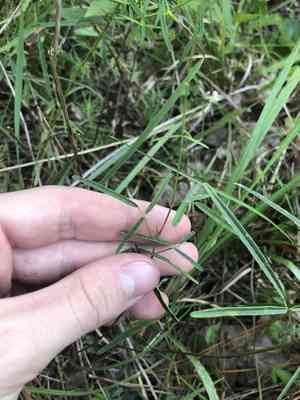
Pine barren ticktrefoil flourishes when relocated from the beginning to the end of spring. Throughout this interval, the plant benefits from more moderate temperatures and elevated humidity. Select a location with good drainage and ample sunlight for peak development. Verify that the soil possesses a slightly acidic pH for superior outcomes.
What Preparations are Needed Before Transplanting Pine Barren Ticktrefoil?
What is the Ideal Time for Transplanting Pine Barren Ticktrefoil?
The best period to relocate pine barren ticktrefoil, a perennial, is from early to late spring, or during the milder parts of winter. These times promote stronger root development and lessen transplant stress. Moving pine barren ticktrefoil then ensures improved growth and resilience, leveraging favorable soil and weather conditions.
How Much Space Should You Leave Between Pine Barren Ticktrefoil Plants?
For pine barren ticktrefoil, aim for a spacing of 12-18 inches (30-45 cm) between each plant. This provides ample room for growth while ensuring optimal air circulation and nutrient access.
What is the Best Soil Mix for Pine Barren Ticktrefoil Transplanting?
For pine barren ticktrefoil, select well-draining, sandy or loamy soil. Enhance it with a foundational fertilizer rich in phosphorus and potassium. Avoid heavy clay soils as they tend to hold too much water.
Where Should You Relocate Your Pine Barren Ticktrefoil?
Position pine barren ticktrefoil in a sunny location where it can receive full sunlight for at least 6-8 hours daily. Avoid shaded areas as pine barren ticktrefoil thrives with abundant light.
What Equipments Should You Prepare Before Transplantation Pine Barren Ticktrefoil?
Gardening Gloves
To safeguard your hands while handling soil and the plant.
Shovel or Spade
For excavating the transplant hole and extracting the plant from its initial spot.
Trowel
Useful for more precise digging and working around the plant's root system.
Watering Can
To hydrate the plant both before and after its relocation.
Pruners
To trim any damaged roots or stems during the transplanting process.
Wheelbarrow
Helpful for moving the plant from one place to another.
Stake and Ties
To support the plant if it requires stabilization post-transplant.
How Do You Remove Pine Barren Ticktrefoil from the Soil?
How Do You Remove Pine Barren Ticktrefoil from the Soil?
From Ground: First, moisten the pine barren ticktrefoil plant to dampen the soil. Then, dig a wide trench around the plant using a shovel or spade, ensuring the plant's root ball stays intact. Carefully work the spade beneath the root ball to lift the plant from its original spot.From Pot: Water the pine barren ticktrefoil plant thoroughly to facilitate its removal. Gently tilt the pot on its side and tap the sides and bottom to loosen the soil. Carefully slide the plant out, supporting the base to maintain the root ball's integrity.From Seedling Tray: Ensure the soil in the tray is damp before removal. Use a small trowel or your fingers to gently lift the pine barren ticktrefoil seedlings from the tray, being careful not to harm the delicate roots.
Step-by-Step Guide for Transplanting Pine Barren Ticktrefoil
Site Preparation
Prepare the planting location by digging a hole slightly larger than the pine barren ticktrefoil plant's root ball. Ensure the hole is deep enough to comfortably accommodate the plant and its root system.
Soil Amendment
Although spacing, soil type/fertilizer have been covered, it's vital to ensure the soil in the transplanting hole is loose and amend it as needed to provide optimal growing conditions.
Plant Placement
Position the pine barren ticktrefoil plant in the center of the hole, making sure it is at the same depth as it was in its previous location. Backfill the hole with soil, gently firming it around the root ball to eliminate air pockets.
Watering
After placing the plant in the hole and filling it with soil, thoroughly water the pine barren ticktrefoil plant. This helps settle the soil and reduce transplant shock.
Staking (if needed)
If the pine barren ticktrefoil plant is tall or appears unstable, use a stake for support. Drive the stake into the ground near the plant and secure the plant to the stake with soft ties to prevent stem damage.
How Do You Care For Pine Barren Ticktrefoil After Transplanting?
Watering
Keep the soil around the pine barren ticktrefoil consistently moist, but not waterlogged, for the initial weeks post-transplant to aid in strong root establishment.
Mulching
Apply a layer of mulch around the base of the pine barren ticktrefoil to help retain moisture and regulate soil temperature.
Monitoring
Regularly inspect the pine barren ticktrefoil for indications of stress or disease. Watch for wilting, yellowing leaves, or pests, and address any issues promptly.
Pruning
If you observe any damaged or diseased parts after transplanting, prune them off to help the plant direct its energy towards healthy growth.
Troubleshooting Common Issues with Pine Barren Ticktrefoil Transplantation.
When is the best time to transplant pine barren ticktrefoil?
Relocate pine barren ticktrefoil from early to late spring, or mid to late winter for optimal outcomes.
How far apart should I space pine barren ticktrefoil plants?
Space pine barren ticktrefoil plants 12-18 inches (30-46 cm) apart to ensure ideal growth and air circulation.
How do I prepare soil for transplanting pine barren ticktrefoil?
Utilize well-drained soil, enriched with organic matter to support healthy root development for pine barren ticktrefoil.
What should I do if pine barren ticktrefoil wilts after transplanting?
Water pine barren ticktrefoil thoroughly to help roots establish and lessen transplant shock; wilting should improve soon.
Should I fertilize pine barren ticktrefoil immediately after transplanting?
Wait a few weeks before fertilizing pine barren ticktrefoil to prevent burning the delicate new roots.
How deep should I plant pine barren ticktrefoil in the new location?
Plant pine barren ticktrefoil at the same depth it was previously growing to avoid stressing the plant.
Is mulch necessary for pine barren ticktrefoil after transplanting?
Applying a layer of mulch helps maintain soil moisture and regulate temperature around pine barren ticktrefoil's roots.
When should I water pine barren ticktrefoil after transplanting?
Water pine barren ticktrefoil immediately after transplanting, then keep the soil consistently moist for the initial few weeks.
What should I do if pine barren ticktrefoil shows signs of transplant shock?
Ensure pine barren ticktrefoil receives sufficient water and is shielded from intense sunlight until it recovers.
Can I transplant pine barren ticktrefoil in the fall?
It's best to transplant pine barren ticktrefoil between early spring and late spring, or mid to late winter.



