How to Transplant Dendrobium Noble?
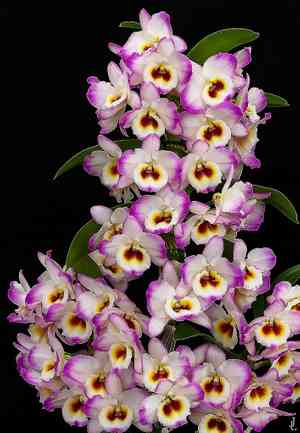
Move your dendrobium Noble specimen during the ideal period of early to mid-spring, which facilitates superior root establishment. To achieve optimal outcomes, select a spot offering filtered light and soil that drains effectively. Bear in mind, a bit of attentive nurturing significantly contributes to your dendrobium Noble's flourishing!
What Preparations are Needed Before Transplanting Dendrobium Noble?
What is the Ideal Time for Transplanting Dendrobium Noble?
The optimal period to relocate dendrobium Noble spans from early to mid-spring. This timeframe supports the plant's recovery. Moving dendrobium Noble during this window encourages robust root development in anticipation of the active growth phase. Ensure dendrobium Noble benefits from milder spring temperatures, guaranteeing a successful transition. With ample time to acclimate, by the arrival of summer, your dendrobium Noble will be fully established. Essentially, now is the moment to provide dendrobium Noble with the pre-growing season foundation it requires to flourish.
How Much Space Should You Leave Between Dendrobium Noble Plants?
To allow your dendrobium Noble ample room to develop, position them approximately 6-12 inches (15-30 cm) apart. This spacing will ensure each plant has sufficient area to thrive and produce beautiful blooms.
What is the Best Soil Mix for Dendrobium Noble Transplanting?
For optimal growth, prepare a well-draining, loamy soil mixture with a slightly acidic pH. Incorporate a slow-release base fertilizer, such as an all-purpose 10-10-10 (NPK) blend, to supply your dendrobium Noble with the necessary nutrients for vigorous growth.
Where Should You Relocate Your Dendrobium Noble?
Select a site with filtered sunlight or morning sun and afternoon shade for transplanting your dendrobium Noble. Avoid direct, intense sunlight, as it may cause the delicate foliage and flowers to burn.
What Equipments Should You Prepare Before Transplantation Dendrobium Noble?
Gardening Trowel
Useful for excavating holes and shifting small quantities of soil.
Garden Spade
This tool will enable you to extract the plant from its original spot without causing excessive root damage.
Gardening Gloves
To safeguard your hands while handling the soil and plant material.
Watering Can
To moisten the soil before and after the relocation process.
Organic Compost
This will supply essential nutrients to the dendrobium Noble and aid its establishment in the new location.
Mulch
To cover the soil surface after planting, this will help retain moisture.
Stake and String
If your dendrobium Noble plant is larger, you might need to stake it to provide support and encourage upright growth.
How Do You Remove Dendrobium Noble from the Soil?
How Do You Remove Dendrobium Noble from the Soil?
From Ground: First, hydrate the dendrobium Noble plant to moisten the soil. Using a garden spade, dig a wide trench around the plant, ensuring the plant's root ball remains intact. Gently work the spade beneath the root ball to lift the plant from its initial position.From Pot: If your dendrobium Noble plant is in a container, slightly dampen the soil. Turn the pot sideways and gently tap it to loosen the plant. Be careful to hold the plant at its base and gently pull it out, avoiding significant root disturbance.From Seedling Tray: If your dendrobium Noble plant is a small seedling, water it thoroughly before transplanting. Then carefully lift the seedling by the stem, taking care not to harm the small, delicate roots.
Step-by-Step Guide for Transplanting Dendrobium Noble
Digging the Hole
Clear the soil at your chosen site of debris, rocks, or weeds. Then use your gardening trowel to excavate a hole. It should be twice as wide and as deep as the dendrobium Noble plant's root ball.
Plant Preparation
Gently untangle the roots of your dendrobium Noble plant if they are tightly coiled. This encourages them to spread and grow into the soil.
Planting
Position the dendrobium Noble plant in the hole. The top of the root ball should be level with the soil surface. Backfill around the plant with the soil that was removed to create the hole, gently firming it with your hands.
Watering
Water the plant thoroughly after planting. Provide just enough water to keep the soil moist, but avoid overwatering as this can lead to root rot.
Mulching
Once the dendrobium Noble plant has been watered, apply a layer of mulch around it. This will help conserve soil moisture and deter weed growth.
Staking
If your dendrobium Noble plant is larger, you might need to use a stake to provide support and encourage upright growth.
How Do You Care For Dendrobium Noble After Transplanting?
Temperature
Dendrobium Noble prefers warmer temperatures, so ensure your plant is not exposed to extreme cold. Frost conditions can harm new growth.
Watering
Consistent watering is crucial, but ensure the soil drains well. Excessive watering can lead to root rot.
Feeding
Apply organic compost approximately one month after transplanting. This will replenish soil nutrients and support dendrobium Noble growth.
Checking
Regularly inspect the dendrobium Noble plant for signs of pests or diseases. If any are observed, address them promptly.
Troubleshooting Common Issues with Dendrobium Noble Transplantation.
When is the ideal transplanting period for dendrobium Noble?
Horticultural experts advise relocating dendrobium Noble from early to mid-spring, when conditions are optimal for vigorous growth.
What's the appropriate spacing for dendrobium Noble when transplanting?
For dendrobium Noble, aim for a distance of roughly 6-12 inches (15-30 cm), allowing ample room for development.
How should I prepare the soil before transplanting dendrobium Noble?
Prior to transplanting dendrobium Noble, ensure the soil is well-drained. Enrich it with compost to improve its structure and nutrient content.
What's the best way to remove dendrobium Noble from its current pot for transplanting?
Gently invert the pot and support the root ball with your hand to carefully slide dendrobium Noble out.
Is it necessary to water dendrobium Noble immediately after transplanting?
Absolutely! Following the transplant of dendrobium Noble, be sure to water it thoroughly. This helps settle the soil around the roots.
How deep should dendrobium Noble be planted when transplanting?
Plant dendrobium Noble in a hole twice the width of the root ball and at the same depth it was previously.
What kind of fertilizer is recommended for dendrobium Noble post-transplant?
After transplant, a high-phosphorus fertilizer (low in nitrogen) can stimulate root development and early blooming in dendrobium Noble.
Should I trim dendrobium Noble before or after transplanting?
Pruning dendrobium Noble before transplanting, especially dead or damaged parts, can help it direct energy towards root establishment.
What is the correct way to handle dendrobium Noble during transplantation?
Handle dendrobium Noble with care; its root system is delicate! Avoid direct contact with the stem and roots.
How should I care for dendrobium Noble just after transplanting?
After transplanting dendrobium Noble, maintain a consistent watering schedule, shield it from harsh elements, and check for potential pest issues.



