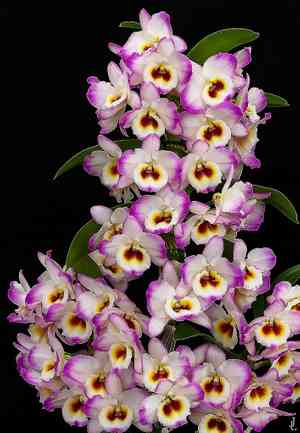
Dendrobium Noble (Dendrobium nobile)
Also known as: Noble rock orchid, Noble dendrobium
The Noble Dendrobium, known scientifically as Dendrobium nobile, is the state flower of Sikkim in northeastern India. This ornamental plant blooms with pink and purple flowers during the spring and winter seasons. Its name "nobile" signifies its noble appearance. These elegant orchids are also appreciated for their subtle and pleasant fragrance.
In This Article
Plant Comprehensive Care Guide: Beginner's Introduction and Key Details
Perfect for beginners starting their plant care journey
→
10 Secrets to Making Dendrobium Noble Grow Faster (A Must-Read for Beginners)
Advanced tips to accelerate your plant's growth
→
Care "Black Tech": 10 Little-Known Highly Effective Maintenance Tips
Expert-level techniques for optimal plant care
→
Attributes of Dendrobium Noble
Lifespan
Perennial
Plant Type
Herb
Plant Height
10 cm to 60 cm
Spread
50 cm
Leaf Color
Green
Flower Size
5 cm to 8 cm
Flower Color
Pink White Purple Blue
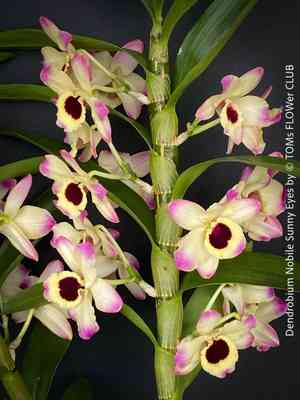
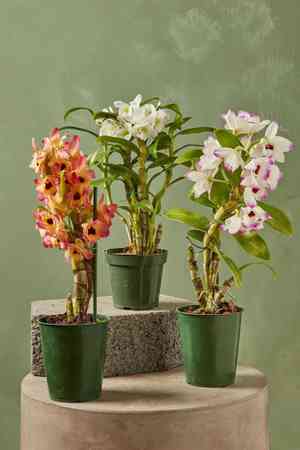
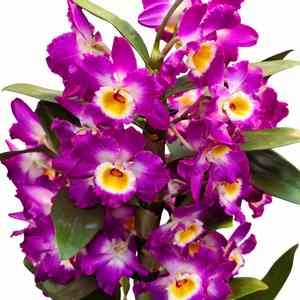
Images of Dendrobium Noble

Quickly Identify Dendrobium Noble
1
Dendrobium nobile can be identified by its long, slender pseudobulbs and showy, fragrant flowers. The flowers typically have a combination of white, pink, and purple hues, with a distinctive lip pattern. The leaves are lanceolate and arranged alternately along the pseudobulb.
Scientific Classification of Dendrobium Noble
Phylum
Vascular plants
Class
Monocotyledons
Order
Asparagus and allies
Family
Orchid
Genus
Dendrobium
Species
Dendrobium Noble
Planting and Growing of Dendrobium Noble
Care Difficulty
Hard
Watering Schedule
Every 3 days
Sunlight Requirements
Partial sun
Sunshine Duration
4-8 hours
Ideal Temperature
60-85℉
Soil Type
Potting Mix, Peat Mix
Soil pH
6.5-7.5
Fertilizer Type
Balanced
Pruning Season
Spring, Summer
Pruning Area
Branches, Leaves
Pruning Frequency
2 times a year
Repotting Season
Spring
Pot Type
Plastic, Ceramic
 How to Water Dendrobium Noble?
Dendrobium nobile prefers being watered thoroughly but not excessively. The goal is to provide enough moisture to reach the root zone without leaving the potting medium soggy. Keep in mind that water needs decrease during their dormancy period.
More About Watering Techniques→
What are the symptoms of an underwatered Dendrobium Noble?
›
What should I do if my Dendrobium Noble is not getting enough water?
›
What are the symptoms of an overwatered Dendrobium Noble?
›
How to save an overwatered Dendrobium Noble?
›
 What Are the Sunlight Requirements for Dendrobium Noble?
Dendrobium nobile prefers partial sun with bright but indirect light. Ideal lighting supports lush growth, strong stems, and a profusion of blooms, contributing to the plant's overall health and resilience.
More About Sunlight Requirements Techniques→
What type of light is best?
›
How to achieve ideal lighting?
›
Why is ideal lighting important?
›
 What Is the Ideal Temperature Range for Dendrobium Noble?
Dendrobium nobile thrives in a temperature range of 60-85°F. Within this range, the plant can photosynthesize efficiently, ensuring healthy growth and vibrant flowers. Temperatures above or below this range can stress the plant, impacting its growth and bloom cycle.
 What Soil is Best for Dendrobium Noble?
Dendrobium nobile thrives in nutrient-rich soils that provide essential minerals and nutrients for healthy growth. Nutritious soil ensures robust roots and vibrant flowers, supporting the orchid's aesthetic and physiological needs. This orchid requires well-draining soil to prevent root rot and other moisture-related issues. Proper drainage helps keep the roots aerated and allows excess water to escape, ensuring that the plant maintains optimal health. While drainage is important, the soil should also retain some moisture to support the plant's hydration needs. Moisture-retentive properties allow Dendrobium nobile to access vital water between watering sessions.
More About Soil→
 How to Fertilize Dendrobium Noble?
For Dendrobium nobile, the amount of fertilizer should be carefully balanced. When using liquid fertilizer, dilute it to half the strength recommended on the packaging. This gentle approach ensures that the roots can absorb nutrients without the risk of fertilizer burn.
More About Fertilizing Techniques→
 How to Prune Dendrobium Noble?
When pruning Dendrobium nobile, remember that older canes often provide nutrients to the plant even when leafless, so avoid removing them unless they are diseased or completely dried out. Avoid pruning in winter or during the plant's blooming period. Pruning in these times can stress the plant, potentially inhibiting flower production or weakening its overall health. Always disinfect your pruning tools before and after use. This practice is crucial to prevent the introduction of pathogens that could harm your orchids.
More About Pruning Techniques→
 How to Propagate Dendrobium Noble plant?
1
Choose a robust and disease-free parent plant for propagation. Look for firm pseudobulbs and vibrant green leaves, which are indicators of a healthy plant that is more likely to yield successful propagations.
2
Carefully remove the plant from its pot and gently separate the pseudobulbs. Each division should have at least three pseudobulbs to ensure adequate energy reserves for growth.
3
Plant the divisions in a well-draining orchid mix and place them in a location with indirect sunlight. Ensure that the potting medium is moist but not waterlogged to prevent root rot.
 How to Repot Dendrobium Noble plant?
1
Repot Dendrobium nobile orchids when they show signs of being root-bound, such as roots growing out of drainage holes. Additionally, if the potting media decomposes or the plant appears unhealthy, it may be time. Ideal repotting occurs after blooming, ensuring minimal stress.
2
Choose a pot that has good drainage and is slightly larger than the current one. A clear plastic pot can be beneficial as it allows you to monitor the root system's health, ensuring that the roots receive enough light and air.
3
Select a coarse orchid bark mix to provide aeration and proper drainage for your Dendrobium nobile. This type of soil prevents waterlogging and root rot while mimicking the plant's natural growing environment.



