How to Transplant Mexican grass tree?
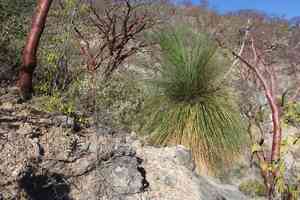
The most favorable time to transplant mexican grass tree is in mid-spring, as temperatures encourage root development. Select sunny spots with soil that drains effectively to support its growth. Careful management of its root system is essential throughout the procedure.
Essential Preparations Before Relocating Mexican Grass Tree
Optimal Timing for Mexican Grass Tree Relocation?
The best period to move mexican grass tree is during the vibrant activity of mid to late spring. This timeframe, characterized by moderate temperatures and gentle weather, fosters an ideal setting for root establishment and post-transplant recovery. Moving mexican grass tree then allows it to adjust comfortably before the strain of intense summer heat or potential winter cold. By selecting this window, you provide your plant the greatest chance for robust health and vigorous development, ensuring a smooth transition to its new spot with spring's nurturing touch.
Required Spacing Between Mexican Grass Tree Plants?
When relocating mexican grass tree, position each plant approximately 3-6 feet (91-183 cm) apart. This provides ample room for growth without overcrowding or competition. This is a critical initial step for successful development!
Best Soil Blend for Mexican Grass Tree Relocation?
Prepare a well-draining soil mixture for mexican grass tree. Incorporate a foundational fertilizer such as bone meal or compost, as these plants prefer fertile, slightly acidic soil. Ensure the soil is loose and easily penetrable by roots.
Optimal Location for Your Mexican Grass Tree?
Select a site with abundant sunlight when deciding where to place your mexican grass tree. This plant flourishes in areas receiving at least 6 hours of direct sunlight daily. A sunny spot will ensure your plant's happiness!
Equipment Needed Before Transplanting Mexican Grass Tree?
Gardening Gloves
To safeguard your hands while handling the soil and mexican grass tree plant.
Shovel or Spade
These are essential for excavating the hole where mexican grass tree will be moved and for carefully lifting the plant from its original position.
Hand Trowel
This implement is useful for fine-tuning the hole and for minor digging tasks.
Watering Can or Hose
You will require this to hydrate the mexican grass tree plant both before and after its relocation.
Wheelbarrow or Bucket
This will be helpful for transporting the mexican grass tree plant and its root ball from its initial spot to its new home.
Organic Mulch
This aids in retaining soil moisture and inhibiting weed growth around your mexican grass tree plant post-transplant.
How to Extract Mexican Grass Tree from the Ground?
How to Extract Mexican Grass Tree from the Ground?
From Ground: First, moisten the mexican grass tree plant to dampen the soil. Next, excavate a wide trench around the plant using a shovel or spade, ensuring the plant's root ball remains intact. Carefully work the spade beneath the root ball to lift the plant from its initial location.From Pot: Thoroughly water the mexican grass tree plant and allow it to drain. Invert the pot and gently tap its edges. The plant and its root ball should slide out easily. If not, rotate the pot and tap again. Avoid pulling the plant directly, as this could harm the roots.From Seedling Tray: Water the seedling tray first, then use a spoon or a small trowel to scoop out the mexican grass tree seedling along with its root ball. Aim to disturb the roots as little as possible.
Step-by-Step Guide for Relocating Mexican Grass Tree
Preparation
Water the mexican grass tree plant several hours prior to relocation to ensure it is well-hydrated. This facilitates an easier and less stressful removal process for the plant.
Dig the Hole
At the chosen transplant site, excavate a hole that is twice the width and equivalent to the depth of the mexican grass tree plant's root ball.
Placement
Carefully position the mexican grass tree plant in the new hole, ensuring the top of the root ball is level with the surrounding soil. Backfill the hole with soil, gently firming it around the root ball.
Watering
Thoroughly water the mexican grass tree plant after relocation. This helps to settle the soil and eliminate air pockets around the roots.
Post-Transplant Care for Mexican Grass Tree
Monitoring
Closely observe the mexican grass tree plant for a few weeks following its relocation. Look for any indications of transplant shock, such as wilting, yellowing, or dropped leaves. If these symptoms persist, consult a local nursery or extension service.
Watering
For the initial few weeks, maintain consistently moist soil. This aids in the development of new root growth. Prevent overwatering to avoid root rot.
Mulching
After the mexican grass tree plant is in its new spot, apply a layer of organic mulch around its base. This helps conserve moisture and suppress weeds.
Pruning
If you notice any dead or wilting leaves on the mexican grass tree plant, carefully trim them. This redirects the plant's energy towards healthy growth.
Feeding
Wait 2-3 weeks after relocation before introducing a mild, slow-release fertilizer. Early fertilization could harm delicate new roots.
Addressing Common Issues with Mexican Grass Tree Relocation.
When is the optimal time to move mexican grass tree?
The ideal period to relocate mexican grass tree is from late spring to early summer. This timeframe ensures the plant has sufficient time to adjust before colder weather conditions arrive.
What is the recommended distance between two mexican grass tree plants during relocation?
Aim to maintain a reasonable distance of approximately 3-6 feet (0.9 - 1.8 meters) between two mexican grass tree plants. This provides each plant ample space to grow without impeding the other's development.
What action should I take if my relocated mexican grass tree shows signs of wilting?
Do not be alarmed; slight wilting after relocation is common. Simply ensure you are providing adequate water, but avoid excessive watering, which could worsen the situation.
Why are the leaves of my relocated mexican grass tree turning yellow?
Yellowing leaves typically indicate a nutrient deficiency or overwatering. Ensure the soil drains effectively and that you are feeding your mexican grass tree with a balanced fertilizer.
What type of soil is most suitable for mexican grass tree?
Mexican grass tree prefers well-drained soil. A blend of loamy and sandy soil is ideal. This soil type allows for proper air circulation and optimal water drainage, which is crucial for mexican grass tree to thrive.
Should I prune mexican grass tree before relocating?
Not necessarily, but if the mexican grass tree is excessively large, judicious pruning can lessen transplant shock, stimulate root growth, and help the plant adapt to its new environment more quickly.
How deep and wide should the hole be for relocating mexican grass tree?
The hole should be twice as wide as the root system and deep enough so that the top of the root ball sits level with the soil's surface. This typically averages about 10 inches (25 cm).
What amount of water does mexican grass tree require immediately after relocation?
Immediately after relocating, thoroughly water your mexican grass tree, but be careful not to overwater, which could lead to root rot. Under normal conditions, mexican grass tree prefers its soil to be on the drier side.
How can I ensure my mexican grass tree plant receives sufficient sunlight?
Mexican grass tree plants flourish in full sunlight. Ensure your planting site receives at least 6 hours of direct sunlight daily for the most beautiful and healthy growth.
Can I use fertilizer immediately after relocating mexican grass tree?
It is best to wait 2-3 weeks after relocation before applying fertilizer. This allows mexican grass tree time to settle without stressing the plant with excessive nutrient absorption.



