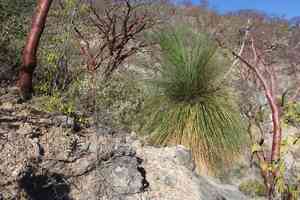
Mexican grass tree (Dasylirion longissimum)
Also known as: Mexican Grass Tree, Toothless Sotol
Native to Mexico, mexican grass tree is a drought-tolerant flowering plant. This dramatic shrub with grass-like leaves can grow up to 4.5 m tall. Its flower spike grows up to 2.5 m tall.
In This Article
Attributes of Mexican grass tree
Lifespan
Perennial
Plant Type
Succulent
Plant Height
4 m
Spread
1.5 m
Leaf Color
Green
Flower Size
1 to 2 inches in individual flowers, but the entire inflorescence can be up to 10-15 feet tall
Flower Color
White
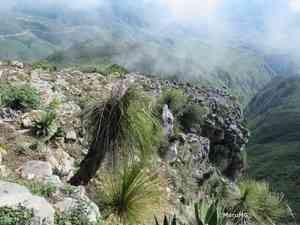
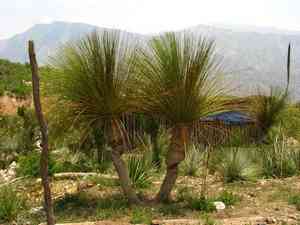
Images of Mexican grass tree
Quickly Identify Mexican grass tree
1
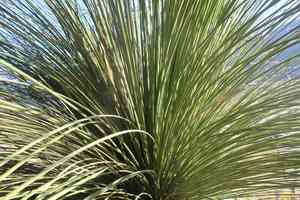
Long, glaucous-green, grass-like leaves up to 6 feet (1.8 meters) distinguish mexican grass tree.
2
Tall trunk with fibrous look from persistent leaf bases; unique texture & appearance in mexican grass tree.
3
Small, white flowers emerge from bright red buds on a 15-foot (4.5 meters) spike.
4
Thick, 4-sided, spineless leaves reaching 6 feet (1.8 meters) in length; rigid and rough texture.
5
Dioecious plant with some females bearing decorative reddish seeds; adapted to diverse environments.
Scientific Classification of Mexican grass tree
Phylum
Vascular plants
Class
Monocotyledons
Order
Asparagales
Family
Asparagus
Genus
Sotols
Species
Mexican grass tree
Planting and Growing of Mexican grass tree
Care Difficulty
Easy
Watering Schedule
Every 2 days
Sunlight Requirements
Full sun
Sunshine Duration
4-6 hours
Ideal Temperature
65-85℉
Soil Type
Potting Mix, Peat Mix
Soil pH
6.5-7.5
Fertilizer Type
Balanced
Pruning Season
Spring, Summer
Pruning Area
Branches, Leaves
Pruning Frequency
2 times a year
Repotting Season
Spring
Pot Type
Plastic, Ceramic
 How to Water Mexican grass tree?
Dasylirion longissimum, also known as the Mexican Grass Tree, requires around 500 ml of water per session. It follows the principle of moderate hydration, ensuring that water penetrates the soil but the roots do not stay submerged. The aim is to wet the soil thoroughly but ensure it dries out between waterings.
What are the symptoms of an underwatered Mexican grass tree?
›
What should I do if my Mexican grass tree is not getting enough water?
›
What are the symptoms of an overwatered Mexican grass tree?
›
How to save an overwatered Mexican grass tree?
›
 What Are the Sunlight Requirements for Mexican grass tree?
Dasylirion longissimum prefers full sun conditions. Ideal sunlight exposure results in vigorous growth and robust foliage, strengthening the plant's structure and enhancing its aesthetic appeal.
More About Sunlight Requirements Techniques→
How much sunlight does Dasylirion longissimum need?
›
How to ensure ideal lighting for Dasylirion longissimum?
›
Benefits of ideal lighting for Dasylirion longissimum?
›
 What Is the Ideal Temperature Range for Mexican grass tree?
Dasylirion longissimum thrives best in temperatures ranging from 65 to 85 degrees Fahrenheit. This range supports optimal growth and physiological functioning, ensuring the plant develops strong structural integrity and lush foliage. Providing this range mimics the plant's natural habitat, promoting vigor and resilience.
 What Soil is Best for Mexican grass tree?
Dasylirion longissimum thrives in well-drained soils as it reduces the risk of root rot by allowing excess water to escape quickly. This ensures that its roots stay healthy and absorb nutrients efficiently, promoting vigorous growth. Sandy soil is ideal for Dasylirion longissimum because it provides aeration and rapid drainage. This soil texture helps create a solid foundation for root development and keeps the plant's base dry, which is essential for its survival. The plant tolerates nutrient-poor soils, reflecting its adaptability to arid environments where resources are scarce. This characteristic minimizes the need for frequent fertilization, making it an excellent choice for low-maintenance gardens.
 How to Fertilize Mexican grass tree?
Dasylirion longissimum typically requires a light touch when it comes to fertilizing. Use around half the recommended amount specified on the fertilizer packaging to avoid over-fertilization. A balanced 10-10-10 liquid fertilizer is ideal for supporting healthy growth.
 How to Prune Mexican grass tree?
Begin by identifying the dead, brown, or damaged leaves. Using sharp pruning shears, carefully cut these at the base, as close to the trunk as possible without cutting into the healthy tissue. This maintains the plant's aesthetic and health. For an aesthetically pleasing look, consider trimming excess growth to maintain the plant's symmetrical shape. This involves selectively cutting overgrown foliage without disturbing newer, emerging leaves to promote a balanced structure. Adopt regular inspection routines to detect early signs of disease or pests. Clean the area beneath the plant to avoid decay accumulation, which can harbor unwanted insects or mold.
 How to Propagate Mexican grass tree plant?
1
First, gather seeds from a mature Dasylirion longissimum plant. Clean them thoroughly to remove any debris. Consider soaking the seeds in water for several hours to enhance germination. This step helps to soften the seed coat, thereby promoting easier germination.
2
Fill a seed tray with well-draining cactus or succulent potting mix. Sow the seeds on the surface and lightly cover them with a thin layer of sand or soil. Ensure even spacing to reduce competition for resources. Keep the soil moist but not soggy and place the tray in a warm environment.
3
During plant division, carefully remove the plant from its pot or ground location. Shake off excess soil to expose the root system. Use a sharp knife to cut through the root ball, ensuring each division has a viable root section. Transplant the divisions into new pots filled with fresh potting mix.
 How to Repot Mexican grass tree plant?
1
A good time to repot your Dasylirion longissimum is when you notice its roots poking out from the drainage holes of the pot. Another indicator can be slowed or stunted growth, suggesting that the plant's root system has outgrown its current container. Always opt for repotting during warmer seasons for best results.
2
Select a pot that is about 2-3 inches larger in diameter than the current one to give the roots adequate space to grow. Ensure the pot has drainage holes to prevent waterlogging, which can lead to root rot. A terracotta pot is beneficial as it allows moisture to evaporate more easily, helping to keep the soil from becoming too wet.
3
Choose a well-draining cactus mix for repotting Dasylirion longissimum. This type of soil provides excellent drainage and aeration, which is necessary to mimic the plant's natural habitat. A good cactus mix helps prevent root rot, allowing the plant to thrive.



