How to Transplant Orchard grass?
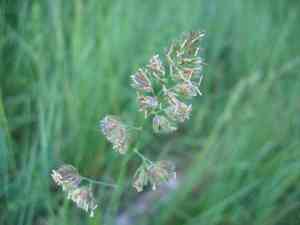
The ideal period for relocating orchard grass is at the beginning of warmer weather in early to mid-spring, facilitating a seamless adjustment. Select a brightly lit area featuring soil that drains effectively, and provide ample hydration after transplanting to ensure robust rooting.
What Preparations are Needed Before Transplanting Orchard Grass?
What is the Ideal Time for Transplanting Orchard Grass?
The perfect time for moving orchard grass is during the revitalization of early to mid-spring. This period allows orchard grass to establish its root system in moderate conditions, promoting strong development before summer's heat. By selecting this timeframe, you ensure orchard grass benefits from sufficient moisture and milder temperatures, providing an excellent chance for it to flourish after relocation.
How Much Space Should You Leave Between Orchard Grass Plants?
Allow each orchard grass plant ample room! Maintain a distance of approximately 2-4 feet (0.6-1.2 meters) between them. This guarantees they receive adequate nutrients, preventing overcrowding and competition. Share the space, not the root systems!
What is the Best Soil Mix for Orchard Grass Transplanting?
For orchard grass, select soil that drains well and is fertile. A loamy type is perfect. Before planting orchard grass, enrich the soil with a foundational fertilizer; compost or well-rotted manure would be highly beneficial. This provides nutrient boosts for healthier development.
Where Should You Relocate Your Orchard Grass?
Orchard grass thrives in a sunny spot, but a location with partial shade is also suitable. Sunlight is crucial for their growth, yet too much can be detrimental. Therefore, a place with morning sun and some afternoon shade could be their ideal home.
What Equipments Should You Prepare Before Transplantation Orchard Grass?
Gardening Gloves
These are vital for safeguarding your hands from dirt and sharp garden tools during work.
Shovel or Spade
You'll need these implements to dig trenches, separate sections, and assist in removing the root ball.
Gardening Trowel
Perfect for digging small holes or for various other uses.
Watering Can
Helps in delivering the precise amount of water to the orchard grass, both before and after the transplanting process.
Pruning Shears
Used for trimming the orchard grass prior to transplanting, as this can lessen the stress experienced by the plant.
Wheelbarrow
To move the orchard grass from its original position to its new site.
How Do You Remove Orchard Grass from the Soil?
How Do You Remove Orchard Grass from the Soil?
From Ground: First, ensure the soil surrounding the orchard grass plant is moist. This can be achieved by watering the plant a few hours before transplanting. Next, using a shovel or spade, dig a wide trench around the orchard grass, being careful to keep the root ball intact. Gently work the shovel beneath the root ball to lift the plant from its initial location.From Pot: To extract the orchard grass from a pot, first water the plant and allow it to absorb the moisture. Afterward, turn the pot on its side, tap the bottom to loosen the root ball, and guide the plant out. Avoid pulling by the stems or leaves as this may cause harm.From Seedling Tray: Use a dinner knife to carefully lift the orchard grass seedlings without disturbing their roots. Simply slide the knife under the seedling and gently remove it.
Step-by-Step Guide for Transplanting Orchard Grass
Digging the Hole
Ensure the hole is sufficiently wide and deep to accommodate the orchard grass's root ball. The hole should be twice as wide as the root ball and equally deep.
Placing the Plant
Position the orchard grass into the hole, making sure the top of the root ball is level with the surrounding ground. This prevents water from accumulating around the plant's stem.
Backfilling
Cover the root ball of orchard grass with the original soil, gently compacting it into place.
Watering
Use a watering can to irrigate the orchard grass immediately after transplanting. This helps settle the soil around the roots.
How Do You Care For Orchard Grass After Transplanting?
Watering
Maintain consistent moisture in the soil around the orchard grass, especially during the initial weeks following the transplant. Excessive water can lead to rot, so avoid overwatering.
Pruning
Trim any damaged or excessively long roots before transplantation. After transplanting, you might also need to prune the foliage to balance the top growth with the root system.
Monitoring
Regularly inspect the orchard grass for indications of stress, such as yellowing leaves or a failure to thrive. Make necessary adjustments to its care as needed.
Protection
Shield the orchard grass from harsh environmental conditions like strong winds or intense sunlight, particularly during the first few weeks after transplantation.
Troubleshooting Common Issues with Orchard Grass Transplantation.
What is the ideal season for transplanting orchard grass?
The perfect season for transplanting orchard grass is during the first and second season, or as you may call it, S1-S2.
How much space should I leave between orchard grass when transplanting?
For healthy growth, ensure to allow a space of 2-4 feet (60-120 cm) among each orchard grass during transplanting. This enables ample space for growth.
What should I consider when selecting a site for transplanting orchard grass?
Choose a location with well-drained soil. Orchard grass prefers full sun to partial shade. The area should also be wide enough to accommodate the spacing requirements.
How deep should I dig the hole for transplanting orchard grass?
The hole should be deep enough to accommodate the root system. Typically, it is best to make the hole twice as wide as the root system.
How much water does orchard grass need right after transplanting?
After transplanting orchard grass, water it generously. The soil should remain moist but not waterlogged. Over time, you can reduce watering as orchard grass establishes itself.
What if my orchard grass shows signs of withering post-transplant?
Withering could be due to shock from transplanting. You may opt to keep the plant well-watered and avoid exposure to extreme temperatures. If the condition persists, seek expert advice.
How do I care for orchard grass post-transplant in terms of fertilization?
Wait at least a couple of weeks before introducing any fertilizers to orchard grass. From then on, a slow-release granular fertilizer can be beneficial.
Can orchard grass survive severe weather conditions post-transplant?
Orchard grass can tolerate a wide range of weather conditions. However, extreme conditions such as heavy frost or drought will affect its growth post-transplant. Provide protective measures if necessary.
How to deal with pests or disease affecting orchard grass after transplantation?
Inspect your orchard grass regularly. If signs of pests or disease appear, use organic pesticides or fungicides. For severe infestations, consider consulting a professional.
What if my orchard grass doesn't seem to grow post-transplant?
Ensure that orchard grass's basic needs - such as sunlight, water, and nutrients - are met. If there's still no improvement, it might be an issue with soil compatibility or a root problem, both warrant expert intervention.



