How to Transplant Arizona cypress?
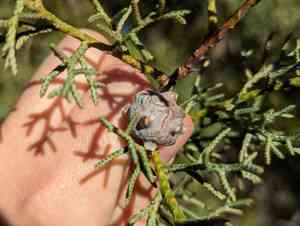
The most favorable time to relocate arizona cypress is in mid-spring, as moderate temperatures facilitate root development, avoiding the strain of intense summer warmth. Position arizona cypress in soil that drains effectively and receives abundant sunlight, and safeguard nascent roots with a consistent, light watering schedule post-transplant.
What Preparations are Needed Before Transplanting Arizona Cypress?
What is the Ideal Time for Transplanting Arizona Cypress?
The optimal period for relocating arizona cypress is during mid-spring. This timeframe provides consistent temperatures and mild weather, essential for root development. Moving arizona cypress in this season leverages its natural growth cycle, promoting recovery and new growth post-transplant. Furthermore, spring transplantation aligns with arizona cypress's active development phase, setting the stage for robust and healthy progress throughout the growing season.
How Much Space Should You Leave Between Arizona Cypress Plants?
When arranging arizona cypress saplings, ensure ample room for each plant's development. Ideally, maintain a separation of approximately 10-15 feet (or 3-4.5 meters) between them. This will enable them to cultivate strong branches and lush foliage.
What is the Best Soil Mix for Arizona Cypress Transplanting?
Prior to planting arizona cypress, prepare soil that drains effectively, preferably somewhat sandy. Incorporate a foundational layer of organic fertilizer, such as compost or aged manure. This enhances soil fertility and moisture retention, aiding your arizona cypress's thriving.
Where Should You Relocate Your Arizona Cypress?
Arizona cypress thrives in sunlight, so select a location where it will receive six or more hours of direct sun daily. Avoid shaded areas beneath larger trees or structures. Sunlight is vital for arizona cypress's vigorous growth and attractive silver-gray foliage.
What Equipments Should You Prepare Before Transplantation Arizona Cypress?
Gardening Gloves
To safeguard your hands from thorns, insects, and sharp gardening implements while handling soil and plants.
Shovel or Spade
To excavate the arizona cypress plant from its original spot, ensuring the root system remains intact.
Trowel
Useful for more precise digging tasks and breaking up soil at the new planting site.
Gardening fork
To loosen the root ball before transplantation.
Bucket or cloth
To safely transport the root ball to the new planting location.
Hose or watering can
To provide immediate hydration to the plant once it's been transplanted.
How Do You Remove Arizona Cypress from the Soil?
How Do You Remove Arizona Cypress from the Soil?
From Ground: After ensuring the arizona cypress plant is well-hydrated, dig a trench around it with a spade or shovel, making sure it's wide and deep enough to encompass the plant's entire root ball without causing damage. Gently lift the plant from the ground by prying it with the shovel, ensuring most of the root system comes along.From Pot: If the arizona cypress plant is in a pot, water it thoroughly and turn it on its side. If feasible, roll the pot along its length, applying gentle pressure so the plant slides out with its rooted soil.From Seedling Tray: For young arizona cypress seedlings in trays, water the tray and wait for the water to soak in. Then, invert the tray and gently tap until the seedlings emerge with their root ball and attached soil.
Step-by-Step Guide for Transplanting Arizona Cypress
Preparation
Ensure the new planting site is ready before unearthing your arizona cypress plant. This should involve digging a new hole that is twice as wide and as deep as the arizona cypress's root ball. The soil in the hole should be loose and free of rocks and debris.
Transfer
Carefully move the arizona cypress's root ball to a bucket or wrap it in a cloth. Be sure to support the entire root system when relocating the plant to prevent damage.
Planting
Position the arizona cypress plant in the previously dug hole, ensuring the top of the root ball is level with the surrounding soil. Backfill the hole, gently firming the soil around the plant's base.
Watering
Water the arizona cypress plant thoroughly immediately after planting. This will help the plant adjust to its new environment and encourage root development.
How Do You Care For Arizona Cypress After Transplanting?
Protection
Consider shielding the newly transplanted arizona cypress from harsh weather conditions like strong winds and intense sunlight for the initial few weeks. This can lessen transplant shock and aid easier adaptation to the new location.
Observation
Closely monitor your arizona cypress after transplantation. If the plant exhibits signs of stress, such as wilting or yellowing leaves, adjust its care accordingly.
Care
Maintain consistent, deep watering practices, but avoid overwatering. The soil should remain consistently moist but not waterlogged. Also, resist the urge to fertilize immediately after transplanting; wait at least a month before doing so.
Troubleshooting Common Issues with Arizona Cypress Transplantation.
When is the best time to transplant arizona cypress?
The optimal period for transplanting arizona cypress is during late winter to early spring (S2-S3). This allows for establishment before active growth commences.
How much space does arizona cypress need to grow properly?
Arizona cypress thrives best with ample spacing between plants, ideally about 10-15 feet (3-4.5 meters). This promotes optimal growth and health.
My arizona cypress has brown leaves after transplanting, what should I do?
Brown leaves might indicate insufficient water. Ensure arizona cypress receives adequate hydration, but prevent waterlogging the roots. It requires consistent yet moderate watering.
How deep should I plant arizona cypress when transplanting?
You should plant arizona cypress at the same depth it was growing in its previous spot. Avoid planting too deep or too shallow for optimal growth.
Why are my transplanted arizona cypress's leaves turning yellow?
Yellow leaves could signal overwatering or poor drainage. Check the soil's moisture levels and drainage. Arizona cypress prefers well-drained and slightly dry soil.
How often should I water the transplanted arizona cypress?
Initially, water arizona cypress thoroughly once a week. Once established, it can tolerate dry conditions, but regular watering will encourage better growth.
What type of soil is best for transplanting arizona cypress?
Arizona cypress prefers well-drained soil. It can tolerate various pH levels but thrives in slightly acidic to neutral soils.
How much sunlight does arizona cypress need after transplanting?
Arizona cypress requires full sun for at least 6-8 hours daily. Ensure your chosen transplanting spot is not in constant shade.
What's the appropriate size of the transplanting hole for arizona cypress?
The hole should be twice as wide and as deep as the root ball of arizona cypress. Make sure it is spacious enough to accommodate the roots without crowding.
My transplanted arizona cypress isnât growing, what's wrong?
Arizona cypress may experience transplant shock, hindering normal growth. Ensure proper watering, sufficient sun exposure, and protect it from extreme temperatures during the initial weeks after transplantation.



