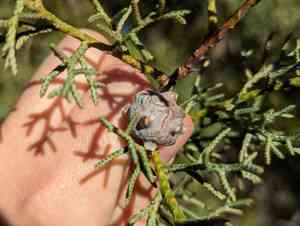
Arizona cypress (Cupressus arizonica)
Also known as: Arizona Cypress, Smooth Arizona Cypress
The Arizona Cypress stands out as a favored evergreen due to its excellent heat and drought resistance. Its soft, fragrant needles add to its appeal. This versatile tree is ideal for windscreens, erosion control, landscaping, and even as a Christmas tree.
In This Article
Attributes of Arizona cypress
Lifespan
Perennial
Plant Type
Tree
Plant Height
15 m
Spread
5 m
Leaf Color
Green Blue Gray Silver
Flower Size
N/A (flowers are not prominent)
Flower Color
Yellow Green
Images of Arizona cypress
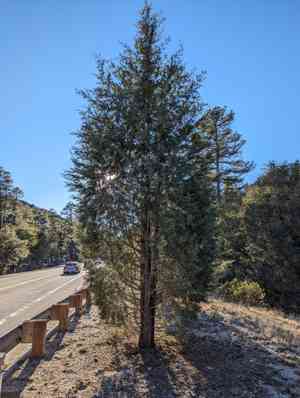
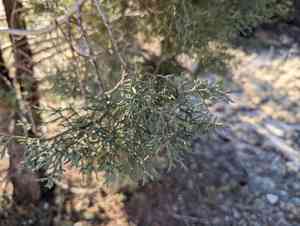
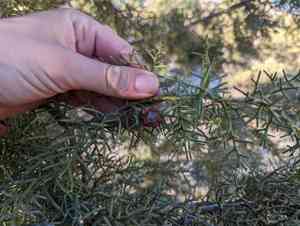
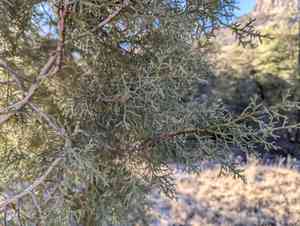
Quickly Identify Arizona cypress
1
Identify Arizona Cypress by its conical shape, gray-brown bark which becomes ridged and furrowed with age, and bluish-green needle-like leaves. Cones are round and about an inch in diameter.
Scientific Classification of Arizona cypress
Phylum
Vascular plants
Class
Conifers
Order
Pinales
Family
Cypress
Genus
Cypresses
Species
Arizona cypress
Planting and Growing of Arizona cypress
Care Difficulty
Easy
Watering Schedule
Every 2 days
Sunlight Requirements
Full sun
Sunshine Duration
4-8 hours
Ideal Temperature
50-77℉
Soil Type
Potting Mix, Peat Mix
Soil pH
6.5-7.5
Fertilizer Type
Balanced
Pruning Season
Spring, Summer
Pruning Area
Branches, Leaves
Pruning Frequency
2 times a year
Repotting Season
Spring
Pot Type
Terracotta, Plastic
 How to Water Arizona cypress?
When watering Cupressus arizonica, aim to provide approximately 500 ml of water per session. The key is to ensure the soil is moist but not waterlogged, allowing the top inch of soil to dry between waterings. This promotes healthy root growth and prevents root rot.
More About Watering Techniques→
What are the symptoms of an underwatered Arizona cypress?
›
What should I do if my Arizona cypress is not getting enough water?
›
What are the symptoms of an overwatered Arizona cypress?
›
How to save an overwatered Arizona cypress?
›
 What Are the Sunlight Requirements for Arizona cypress?
Cupressus arizonica thrives in full to partial sun, needing six to eight hours of light daily. Adequate light promotes lush growth and enhances its natural beauty, improving vigor and pest resistance.
More About Sunlight Requirements Techniques→
Where should I plant Cupressus arizonica for ideal light?
›
What should I do if natural sunlight is insufficient?
›
What are the benefits of providing ideal light to Cupressus arizonica?
›
 What Is the Ideal Temperature Range for Arizona cypress?
The ideal temperature range for Cupressus arizonica typically falls between 50°F and 77°F. Within this range, the tree experiences optimal growth and health. These temperatures mimic the natural conditions of its native habitat, which ensures that the plant can photosynthesize efficiently, utilize nutrients properly, and maintain its resistance to pests and diseases.
 What Soil is Best for Arizona cypress?
Cupressus arizonica thrives in well-drained soils. This requirement is crucial because poor drainage can lead to root rot, a common problem that hampers the plant's growth. Ensuring good drainage keeps the roots healthy and promotes robust growth. The soil should have adequate accessibility to nutrients. This helps the tree absorb essential minerals for photosynthesis and overall growth. A nutrient-rich soil ensures the plant's foliage is healthy and vibrant. A loose soil structure is preferred because it allows for better air and water permeability, which are critical for root respiration. Minimal compaction ensures roots have space to grow and access water and nutrients efficiently.
More About Soil→
 How to Fertilize Arizona cypress?
When fertilizing Cupressus arizonica, use a balanced 10-10-10 fertilizer. For young trees, apply about 1/4 pound of fertilizer per inch of trunk diameter. As the tree matures, you can increase this to 1/2 pound per inch. Avoid using high-nitrogen fertilizers that can promote excessive foliage growth at the expense of strong root development.
 How to Prune Arizona cypress?
Begin by inspecting the tree for any dead or diseased branches, which should be pruned first. Use sharp, clean pruning shears to make clean cuts. Focus on maintaining the natural shape of the tree by removing any crossing branches or those that disrupt the tree's symmetry. Always prune just above a leaf node to encourage healthy new growth.
More About Pruning Techniques→
 How to Propagate Arizona cypress plant?
1
Gather mature seeds from Cupressus arizonica cones in late autumn. Ensure the seeds are fully developed and not damaged to increase the success rate of germination.
2
Select semi-hardwood cuttings approximately 10-15 cm in length. Cut just below a node and remove any lower leaves to reduce moisture loss.
3
Use a side veneer grafting method to propagate through grafting. Match the cambium layers precisely to ensure successful union and healing.
 How to Repot Arizona cypress plant?
1
Watch for signs like slowed growth, roots protruding from drainage holes, or soil that dries out too quickly. These indicators mean it's time for a roomier pot for your Cupressus arizonica.
2
Select a pot that is slightly larger than the current one, with ample drainage holes to prevent waterlogging. A good pot will ensure healthier root growth and prevent root rot, promoting vibrant overall health.
3
Opt for a sandy loam mix that's well-draining yet retains enough moisture. This type of soil supports aeration, drainage, and prevents the roots from sitting in water, reducing the risk of root diseases.



