How to Transplant West indian gherkin?
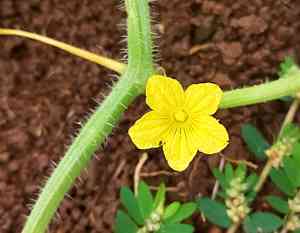
For west indian gherkin, the most favorable time for relocation is from early spring until its peak, due to suitable temperatures. Choose a bright spot with soil that drains effectively. Carefully move the plant, preventing any disruption to the roots to guarantee vigorous development.
What Preparations are Needed Before Transplanting West Indian Gherkin?
What is the Ideal Time for Transplanting West Indian Gherkin?
The perfect time to move west indian gherkin is after winter's cold has passed and summer's warmth is approaching. Moving west indian gherkin during this period ensures they settle into warm soil with gentle sunlight, promoting strong growth. Placing west indian gherkin in the ground at this time aligns with nature's cycle, giving your west indian gherkin the best start in their new home. This timing not only suits west indian gherkin's growth but also prepares them to thrive through the summer peak.
How Much Space Should You Leave Between West Indian Gherkin Plants?
Let's get the perfect spot ready for your west indian gherkin! Aim to give each plant enough room to grow. A distance of about 12 inches (30 cm) to 3 feet (91 cm) between plants will ensure they have plenty of space to become large and healthy.
What is the Best Soil Mix for West Indian Gherkin Transplanting?
For an excellent beginning, treat your west indian gherkin by preparing the soil! A well-draining, loamy soil rich in organic material is optimal. Mix in a balanced, slow-release fertilizer to ensure your west indian gherkin has all the necessary nutrients from the start.
Where Should You Relocate Your West Indian Gherkin?
Choose a sunny location for your west indian gherkin to enjoy! These plants love sunlight, so a spot that receives at least 6 to 8 hours of direct sun daily is perfect. This sun-drenched area will help your west indian gherkin flourish.
What Equipments Should You Prepare Before Transplantation West Indian Gherkin?
Gardening Gloves
To safeguard your hands while handling soil and plants.
Shovel or Spade
For digging up the plant from its original spot and making holes in the ground.
Garden Trowel
For more precise handling of the root ball or digging smaller holes.
Watering Can or Hose with a Gentle Spray
To hydrate the west indian gherkin before and after moving it.
Pruning Shears
To trim any damaged roots or stems.
Wheelbarrow or Garden Cart
To move the west indian gherkin and soil without causing harm.
Plant Supports or Trellis
To provide structure for the west indian gherkin as it develops.
Mulch
To help maintain soil moisture after the transplant.
How Do You Remove West Indian Gherkin from the Soil?
How Do You Remove West Indian Gherkin from the Soil?
From Ground: Water the west indian gherkin plant to moisten the soil. Then dig a wide trench around the plant with a shovel or spade, ensuring the plant's root ball stays intact. Work the tool beneath the root ball to carefully lift the plant from its initial location.From Pot: First, water the west indian gherkin to dampen the soil, making removal easier. Tip the pot sideways and gently tap the bottom and sides to loosen the plant. Support the base of the stem with one hand, and slowly ease the plant out with its roots undisturbed.From Seedling Tray: Water the west indian gherkin thoroughly before beginning. Use a garden trowel or your fingers to carefully loosen the soil around the desired plant. Gently lift the plant by its leaves, not the delicate stem, ensuring a good amount of soil comes out with the roots.
Step-by-Step Guide for Transplanting West Indian Gherkin
Preparation
Ensure all necessary tools and supports are ready. Prepare the new planting area by removing weeds and loosening the soil.
Removing the west indian gherkin
Depending on the original location, follow the relevant instructions provided. Make sure to keep the root ball as intact as possible to minimize stress on the plant.
Plant Hole
Dig a hole in the transplanting location that is twice as wide and just as deep as the root ball, so the west indian gherkin will have ample space to establish itself.
Placing the Plant
Carefully place the west indian gherkin in the hole, ensuring it is positioned at the same depth it was growing previously.
Backfilling
Gently replace the soil around the root ball, firming the soil as you go to eliminate any large air pockets.
Watering
Water the west indian gherkin thoroughly after transplanting to settle the soil and hydrate the roots.
Support Installation
Install any necessary supports like a trellis immediately after planting, to avoid damaging the roots later.
Mulching
Apply a layer of mulch around the base of the plant, being careful to avoid the stem, which can help retain moisture.
How Do You Care For West Indian Gherkin After Transplanting?
Regular Watering
Keep the soil around the west indian gherkin consistently moist, especially during dry periods, to aid root recovery and growth.
Monitoring
Look for signs of transplant shock, such as wilting leaves, which can be alleviated by providing shade and additional water.
Pruning
Carefully trim any dead or damaged vines to encourage healthy development.
Pest Management
Keep an eye out for pests that might take advantage of the west indian gherkin's vulnerable state after transplant and manage them appropriately.
Support Adjustments
As the west indian gherkin grows, adjust any supports or trellis to accommodate the increasing size and weight of the plant.
Troubleshooting Common Issues with West Indian Gherkin Transplantation.
When is the best time to transplant west indian gherkin seedlings outdoors?
Move west indian gherkin seedlings outdoors in late spring when soil temperatures consistently remain above 65°F (18°C).
What's the ideal spacing for west indian gherkin when transplanting?
Space west indian gherkin 12 inches (30 cm) to 3 feet (90 cm) apart to ensure optimal growth and air circulation.
How deep should I plant west indian gherkin seedlings?
Plant west indian gherkin seedlings at the same depth they were growing in their pots, ensuring roots are well-covered.
Why are my west indian gherkin transplants wilting after planting?
Wilting may occur if roots are disturbed during transplanting; ensure gentle handling and adequate soil moisture.
Should I harden off west indian gherkin seedlings before transplanting?
Yes, gradually acclimate west indian gherkin seedlings to outdoor conditions over 7-10 days to prevent shock.
Can I transplant west indian gherkin on a sunny day?
Transplant west indian gherkin on an overcast day or in the late afternoon to reduce stress from direct sun.
How much should I water west indian gherkin after transplanting?
Water west indian gherkin thoroughly after transplanting to settle the soil around the roots and eliminate air pockets.
What should I do if the leaves of west indian gherkin are turning yellow post-transplant?
Yellow leaves might indicate overwatering or poor drainage; confirm the soil is moist but not waterlogged.
Can I use fertilizer when transplanting west indian gherkin?
Yes, but wait 3-4 weeks post-transplanting before applying a balanced fertilizer to avoid burning the roots.
How do I protect newly transplanted west indian gherkin from pests?
Keep an eye on west indian gherkin for signs of pests and use appropriate measures, such as protective netting or organic insecticides.



