West indian gherkin(Cucumis anguria)

West indian gherkin (Cucumis anguria)

Also known as: Gooseberry gourd, Bur cucumber, West indian gourd, Cackrey, Maroon cucumber

The West Indian gherkin (Cucumis anguria) has a botanical relationship with the common cucumber (Cucumis sativus) as they both belong to the Cucurbitaceae family. It thrives in subtropical and tropical regions and is cultivated similarly to the common cucumber.

However, the West Indian gherkin was introduced to various parts of the world and has become an invasive species in some areas, including parts of Australia and North America.

Uses of the West Indian gherkin include:
- Eating raw in salads.
- Cooking in various dishes.
- Pickling for a crunchy texture.

Its unique taste and versatility make it a valuable addition to many culinary traditions.

Attributes of West indian gherkin

Lifespan
Annual
Plant Type
Herb, Vine
Plant Height
1.2 m
Spread
60 cm
Leaf Color
Green
Flower Size
Approximately 1-2 cm
Flower Color
Yellow

ForwardPlant - Identify plants with a snap

Identify and diagnose plants, get toxicity alerts, and explore safety guides for all types of fungi.

Try for Free

Images of West indian gherkin

West indian gherkin(Cucumis anguria)

Quickly Identify West indian gherkin

1
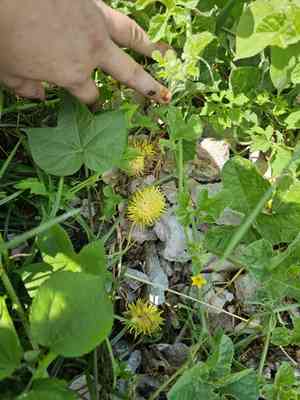
Triangular leaves with 3-5 lobes and deep wrinkles.
2
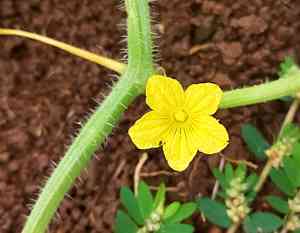
Yellow unisexual flowers with distinct male stamens and female ovaries.
3
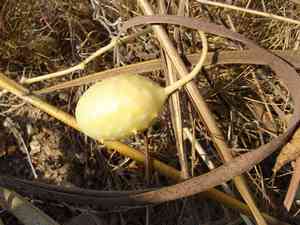
Cylindrical pepo fruit with prickly texture and hairy, bumpy skin.
4
Hair-covered stems with prickly hairs and rough texture.
5
Vining habit with tendrils aiding climbing and sprawling growth.

Scientific Classification of West indian gherkin

Phylum
Vascular plants
Class
Dicotyledons
Order
Cucurbitales
Family
Gourd
Genus
Melon
Species
West indian gherkin

Planting and Growing of West indian gherkin

Care Difficulty
Easy
Watering Schedule
Every 4 days
Sunlight Requirements
Full sun
Sunshine Duration
4-6 hours
Ideal Temperature
68-86℉
Soil Type
Potting Mix, Peat Mix
Soil pH
5.5-7.5
Fertilizer Type
Balanced
Pruning Season
Spring, Summer
Pruning Area
Branches, Leaves
Pruning Frequency
2 times a year
Repotting Season
Spring
Pot Type
Plastic, Ceramic

water icon How to Water West indian gherkin?

Cucumis anguria thrives with consistent but moderate watering. Aim to provide about 250 milliliters of water per session. This amount ensures the soil is moist but not waterlogged, promoting healthy root growth without the risk of root rot.
What are the symptoms of an underwatered West indian gherkin?
What should I do if my West indian gherkin is not getting enough water?
What are the symptoms of an overwatered West indian gherkin?
How to save an overwatered West indian gherkin?

sunlight icon What Are the Sunlight Requirements for West indian gherkin?

Sunlight Requirements: Full sun, Partial sun
Duration of light: 6-8 hours daily
Cucumis anguria thrives in full to partial sun conditions, benefiting from 6-8 hours of daily light. This exposure maximizes growth potential, enhances fruiting capabilities, and ensures vibrant, healthy leaf development.
What is the ideal sunlight for Cucumis anguria?
How can I ensure Cucumis anguria gets ideal light?
What benefits does ideal lighting offer Cucumis anguria?

temperature icon What Is the Ideal Temperature Range for West indian gherkin?

Ideal Temperature: 68 ~ 86℉
Cucumis anguria thrives best within an ideal temperature range of 68 to 86°F. This temperature range provides the optimal conditions for photosynthesis and plant growth. Maintaining temperatures within this range will facilitate plant health, improve resistance to disease, and optimize fruit production. Adjustments to growing conditions, such as the use of a greenhouse or using shade cloth during excessive heat, may be necessary to preserve this range.

soil icon What Soil is Best for West indian gherkin?

Soil type: Sandy loam, Loam
Soil PH: 5.5 ~ 7.5
Loose and well-draining soil structure is essential for Cucumis anguria, allowing proper root aeration and water management. This aids in preventing root rot and promotes healthy growth. A nutrient-dense soil ensures that Cucumis anguria receives the essential minerals needed for optimal growth. High fertility stimulates vigorous plant development and fruit production. While well-draining, the soil should retain adequate moisture to support the plant’s water needs, especially during dry periods. This balance prevents stress and supports continuous growth.

fertilize icon How to Fertilize West indian gherkin?

Fertilizer type: Balanced
For Cucumis anguria, applying a balanced liquid fertilizer at half strength is recommended during the growing season. Use approximately 1 tablespoon per gallon of water, and ensure even distribution around the base of the plant. Adjust the amount based on plant size and soil conditions.

prune icon How to Prune West indian gherkin?

Pruning Time: Spring, Summer
Begin by identifying the central leader or main stem. Trim back any side shoots that are not contributing to the plant's structural integrity. Keep your cuts clean and precise to prevent stressing the plant. If the plant has become too bushy, thin out by cutting back some of the less productive vines. This will help redirect the plant's energy towards producing healthier fruits. To promote fruiting, focus on pinching off the tips of new growth. This encourages the plant to divert its energy from vine expansion to flowering and eventual fruit development. More About Pruning Techniques

propagate icon How to Propagate West indian gherkin plant?

Propagate Time: Spring,Summer
1
Before planting, soak the seeds of Cucumis anguria in warm water for about 24 hours to improve germination rates. This process helps to soften the seed coat, allowing for easier sprouting.
2
Sow the seeds about 1 inch deep in prepared seed trays filled with moistened potting soil. Space the seeds adequately, leaving about 2-3 inches between them to minimize competition and ensure each plant has room to grow.
3
Keep the soil consistently moist but not waterlogged during the germination period. It is beneficial to cover the trays with a clear plastic dome or wrap to maintain humidity and warmth.

repot icon How to Repot West indian gherkin plant?

Repotting frequency: Every 1-2 years
1
Repot Cucumis anguria when you notice roots emerging from the drainage holes or the plant shows stunted growth. These signs indicate that the plant desires more space for its roots to grow and flourish. A timely intervention ensures healthy growth and rejuvenation for the upcoming seasons.
2
Select a pot that is one size larger than the current one, ensuring it has adequate drainage holes. This not only offers more room for root expansion but also improves drainage, reducing the risk of root rot. The new pot should harmoniously balance aesthetics with functionality.
3
Opt for a well-draining, loamy soil mix to provide ample nutrients while preventing waterlogging. The loamy texture balances moisture retention with drainage, creating an optimal environment for root health and growth. This soil choice actively wards against common issues like root rot.

ForwardPlant - Identify plants with a snap

Find the best spots for them to optimize their health, simply using your phone.

Try for Free