How to Transplant Crocanthemum nashii?
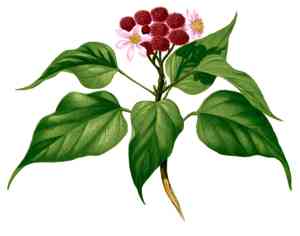
Relocating crocanthemum nashii is most effectively carried out between the beginning and end of spring, enabling the specimen to settle prior to the summer's warmth. Choose a bright, adequately drained spot for peak development. Verify the chosen area replicates its native environment for successful integration.
What Preparations are Needed Before Transplanting Crocanthemum Nashii?
What is the Ideal Time for Transplanting Crocanthemum Nashii?
For perennial crocanthemum nashii, the best time for relocation is from early spring through late spring. This timeframe allows the plant sufficient opportunity to establish its root system before the summer heat intensifies. Transplanting during this phase enhances survival rates, encourages vigorous development, and aids in healthier adaptation to its new environment.
How Much Space Should You Leave Between Crocanthemum Nashii Plants?
When transplanting crocanthemum nashii, aim for a spacing of 12-18 inches (30-45 cm) between plants. This provides ample room for growth and ensures good air circulation, which helps prevent diseases.
What is the Best Soil Mix for Crocanthemum Nashii Transplanting?
Prepare well-draining soil for crocanthemum nashii. Enhance sandy or loamy soil by incorporating compost. Add a balanced, slow-release base fertilizer to supply essential nutrients, aiding the plant's rapid establishment.
Where Should You Relocate Your Crocanthemum Nashii?
Choose a location that receives full sunlight for crocanthemum nashii. This perennial thrives with at least 6 hours of direct sunlight daily, fostering robust growth and abundant blooms.
What Equipments Should You Prepare Before Transplantation Crocanthemum Nashii?
Gardening Gloves
To safeguard your hands while handling soil and plants.
Trowel
For excavating small holes and managing the plant's root ball.
Shovel or Spade
For digging a larger hole in the ground for the transplant.
Garden Fork
To help loosen the soil around the plant's root ball (for ground transplants).
Watering Can or Hose
For hydrating the plant during and after the transplanting process.
Compost or Organic Mulch
To enrich the soil and assist in moisture retention.
How Do You Remove Crocanthemum Nashii from the Soil?
How Do You Remove Crocanthemum Nashii from the Soil?
From Ground: First, water the crocanthemum nashii plant to moisten the soil. Then, dig a wide trench around the plant using a shovel or spade, ensuring the plant's root ball remains intact. Carefully work the spade under the root ball to lift the plant from its original location.From Pot: Water the crocanthemum nashii plant to loosen the soil. Hold the plant gently at the base and invert the pot. Tap the bottom of the pot to slide the plant out, supporting the root ball as you do so.From Seedling Tray: Ensure the seedlings are well-hydrated before removal. Gently push from the bottom of the tray to lift the root ball out, taking care not to harm the delicate roots.
Step-by-Step Guide for Transplanting Crocanthemum Nashii
Site Preparation
Select a location with appropriate sunlight and ample space for the crocanthemum nashii plant to reach its mature size. Prepare the soil beforehand by loosening it deeply with a shovel or garden fork.
Digging the Hole
Excavate a hole that is twice the width and slightly deeper than the root ball of the crocanthemum nashii plant. This allows the roots to spread easily.
Transplanting
Position the root ball in the center of the hole. Backfill around the root ball with soil, pressing gently to remove air pockets. Ensure the top of the root ball is level with the surrounding soil.
Watering
Water the plant thoroughly immediately after transplanting. Ensure the soil is uniformly moist but not waterlogged.
Mulching
Apply a layer of compost or organic mulch around the base of the plant, but keep it away from the stem to prevent rot.
How Do You Care For Crocanthemum Nashii After Transplanting?
Watering
Keep the soil around the crocanthemum nashii consistently moist, but not saturated, for the first few weeks after transplanting to help establish strong roots.
Monitoring
Check the crocanthemum nashii regularly for signs of transplant shock, such as wilting or yellowing leaves, and take action by adjusting watering or providing shade.
Weeding
Keep the area around the crocanthemum nashii free of weeds to reduce competition for nutrients and water.
Fertilizing
After a few weeks and once the crocanthemum nashii plant has started to establish, consider feeding it with a balanced fertilizer to encourage growth.
Troubleshooting Common Issues with Crocanthemum Nashii Transplantation.
When is the best time to transplant crocanthemum nashii?
The optimal period to transplant crocanthemum nashii is from early spring to late spring for best growth.
How far apart should crocanthemum nashii plants be spaced?
Space crocanthemum nashii plants 12-18 inches (30-45 cm) apart to ensure healthy growth and prevent overcrowding.
How do I prepare the soil for crocanthemum nashii transplanting?
Prepare well-draining soil rich in organic matter. Adding compost improves soil structure and nutrients.
How do I minimize transplant shock for crocanthemum nashii?
Water thoroughly before and after transplanting, and avoid disturbing the root ball to reduce shock.
What depth should crocanthemum nashii be planted?
Plant crocanthemum nashii at the same depth it was growing previously to prevent stress and promote stability.
How much water does crocanthemum nashii need after transplanting?
Maintain consistent moisture by watering 1-1.5 inches (2.5-3.8 cm) weekly, without waterlogging the soil.
Should I prune crocanthemum nashii before transplanting?
Prune any damaged or dead leaves and stems to promote healthy new growth after transplanting crocanthemum nashii.
How can I provide the best support for crocanthemum nashii after transplanting?
Stake taller plants if necessary and apply mulch to retain moisture and prevent weed growth around crocanthemum nashii.
What are the signs of successful crocanthemum nashii transplantation?
Look for signs like new growth, healthy green leaves, and absence of wilting as success indicators.
What should I do if crocanthemum nashii shows signs of stress?
Ensure adequate watering, check for pests, and provide partial shade during the hottest part of the day.



