How to Transplant Bear's paw?
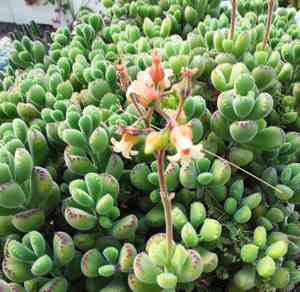
The ideal period for relocating bear's paw spans from the beginning of summer to the middle of autumn, providing prime conditions for development. Select a location bathed in sunlight with soil that drains effectively, and make certain the plant isn't excessively irrigated. By adhering to these guidelines, moving bear's paw will prove to be a pleasant endeavor for both the flora and its caretaker!
What Preparations are Needed Before Transplanting Bear's Paw?
What is the Ideal Time for Transplanting Bear's Paw?
The best time to move bear's paw is from early summer through mid-autumn. This period provides the warmth and sunlight necessary for bear's paw's development. You'll see bear's paw flourish as it absorbs the abundant energy of the solstice, making its relocation worthwhile. Following these pre-transplanting steps will ensure a successful process you'll be proud of.
How Much Space Should You Leave Between Bear's Paw Plants?
Allowing bear's paw ample room to grow is crucial, so space them approximately 6-8 inches (15-20 cm) apart during transplanting. This ensures they have sufficient area to thrive and spread out comfortably!
What is the Best Soil Mix for Bear's Paw Transplanting?
For bear's paw, a well-draining soil blend is optimal, such as a cactus or succulent potting mix with added perlite or sand. Additionally, incorporating a slow-release fertilizer into the soil will supply your plants with the necessary nutrients for successful growth.
Where Should You Relocate Your Bear's Paw?
Since bear's paw thrives in sunlight, select a spot that receives ample bright but indirect light. A location with morning sun and afternoon shade would be perfect to keep your plants content without excessive exposure.
What Equipments Should You Prepare Before Transplantation Bear's Paw?
Gardening Gloves
To safeguard your hands from injury while working with soil and plants.
Shovel or Spade
Required for digging holes and extracting the plant from its original spot.
Garden Trowel
Perfect for moving the plant and its soil to the new location.
Watering Can
Used to hydrate the plant before and after the relocation.
Pruning Shears
May be necessary if the bear's paw plant has grown large and requires trimming prior to transplanting.
How Do You Remove Bear's Paw from the Soil?
How Do You Remove Bear's Paw from the Soil?
From Ground: Begin by watering your bear's paw plant to moisten the surrounding soil. Once damp, carefully dig a trench around the plant with a shovel, keeping the root ball intact. Use the shovel to work beneath the root ball, gently lifting the plant from the ground.From Pot: Again, water your plant beforehand. Turn the pot sideways and gently tap its sides and bottom to loosen the soil and roots. Gradually pull out the plant, ensuring the root ball and surrounding soil remain as undisturbed as possible.From Seedling Tray: Water the bear's paw seedlings first to facilitate their removal from their confined space. Gently loosen the surrounding soil and carefully lift out the seedlings using a spoon or similar tool, minimizing damage to the delicate roots.
Step-by-Step Guide for Transplanting Bear's Paw
Preparation
Before beginning, water your bear's paw plant to reduce stress and simplify the transplant process. Also, water the new planting hole to prepare it for the incoming plant.
Digging
Using a shovel or trowel, excavate a hole in the ground. The hole should be twice the width of the plant's root ball and deep enough to accommodate it.
Placing
Carefully position your plant into the hole. The top of the root ball should be level with the surrounding soil surface once the plant is placed.
Backfilling
Slowly refill the hole with the surrounding soil. Be careful not to bury the bear's paw's stem or leaves during this process.
Watering
After transplanting, thoroughly water the bear's paw plant to settle the soil.
How Do You Care For Bear's Paw After Transplanting?
Immediate care
Water your bear's paw plant consistently until it establishes roots and shows new growth. The soil should be kept moist but not waterlogged.
Pruning
Remove dead or damaged leaves to allow the plant to direct its energy towards healthy development.
Monitoring
Watch for any signs of distress, such as wilting or discolored leaves, and adjust your care routine accordingly. The bear's paw plant tends to sag when over or underwatered, so regulate the water supply as needed.
Protection
Ensure the plant is shielded from harsh weather, pests, and diseases during the initial stages of its new life in the new location.
Troubleshooting Common Issues with Bear's Paw Transplantation.
When is the best time to transplant bear's paw?
The ideal period to move bear's paw is from early summer through mid-autumn. This provides the plant ample time to recover before winter conditions set in.
What's the proper spacing for bear's paw when transplanting?
To ensure robust growth, maintain a distance of 6-8 inches (15-20 cm) between each plant. This allows bear's paw sufficient space for its leaves to spread.
What should I do if the leaves of my transplanted bear's paw start turning yellow?
Yellow leaves may indicate excessive watering. Rectify this by checking soil moisture before watering and ensuring your pot or garden has adequate drainage.
How do I prepare the soil for transplanting bear's paw?
Utilize well-draining soil, enriched with organic compost. Ensure the pH level is neutral to slightly acidic, which is ideal for bear's paw.
What if my recently transplanted bear's paw looks rather droopy?
Drooping could be a sign of transplant shock. Keep it in a shaded area, maintain moisture, and gradually introduce sunlight. The plant should recover within a few weeks.
Why are the leaves of my bear's paw browning after transplanting?
If you observe browning leaves, your bear's paw might be receiving too much direct sunlight. Relocate the plant to a spot with bright but indirect light.
How often should I water bear's paw after transplanting?
Generally, water bear's paw thoroughly, then allow the top inch (2.5 cm) of soil to dry out before rewatering. Overwatering can lead to root rot, so exercise caution.
Why isn't my transplanted bear's paw showing new growth?
Bear's paw might be in a dormant phase. However, if the plant appears unhealthy, it might not be receiving enough nutrients. Consider a balanced, slow-release fertilizer.
What if the roots of my transplanted bear's paw are turning black?
Black roots typically signify root rot, a consequence of overwatering or poor drainage. If the issue persists, consider repotting the plant in fresh, well-drained soil.
How can I encourage root growth after transplanting bear's paw?
Promote root growth by maintaining a stable environment, providing appropriate watering, moderate light, and applying a suitable fertilizer. This fosters healthier and faster root establishment.



