How to Transplant Spiral ginger?
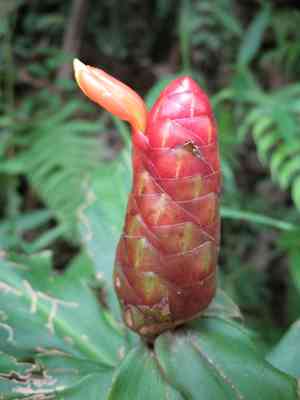
Spiral ginger flourishes when relocated during the peak summer to early fall months, facilitating robust root development. Select a site offering partial shade and well-aerated soil. Maintaining steady hydration levels is crucial for successful re-establishment.
What Preparations are Needed Before Transplanting Spiral Ginger?
What is the Ideal Time for Transplanting Spiral Ginger?
Spiral ginger, a perennial, thrives when moved in mid to late summer or early autumn. This timing allows root establishment prior to winter dormancy, ensuring vigorous spring growth. Transplanting during these periods maximizes root development and minimizes stress, leading to healthier, more vibrant plants.
How Much Space Should You Leave Between Spiral Ginger Plants?
For transplanting spiral ginger, ensure each plant is spaced 1-2 feet (30-60 cm) apart. This provides ample room for growth and air circulation, reducing disease risk and promoting healthy development.
What is the Best Soil Mix for Spiral Ginger Transplanting?
Prepare well-draining soil enriched with organic matter for spiral ginger. Mix compost or aged manure into the soil to provide a nutrient boost. Avoid heavy clay soils, as they can retain excessive water and lead to root rot.
Where Should You Relocate Your Spiral Ginger?
Choose a location for spiral ginger that receives partial to full sunlight. Ideally, it should get about 4-6 hours of daily sunlight, while also being shaded during the hottest part of the day to prevent leaf scorching.
What Equipments Should You Prepare Before Transplantation Spiral Ginger?
Gardening Gloves
To safeguard your hands while handling soil and plants.
Shovel or Spade
For excavating the plant and preparing the new planting site.
Hand Trowel
Useful for precise work around the root ball.
Watering Can or Hose
For hydrating the plant during and after relocation.
Gardening Fork
To loosen the soil around the plant and prevent root damage.
Mulch
To help retain moisture and regulate soil temperature post-transplanting.
Stakes and Ties
To offer support for the plant, if required.
How Do You Remove Spiral Ginger from the Soil?
How Do You Remove Spiral Ginger from the Soil?
From Ground: First, water the spiral ginger plant to moisten the soil. Then, dig a wide trench around the plant using a shovel or spade, ensuring the plant's root ball remains intact. Carefully work the spade under the root ball to lift the plant from its original location.From Pot: Water the spiral ginger plant thoroughly to loosen the root ball. Carefully tap the pot to release the plant. If the plant is root-bound, gently separate the roots with a gardening fork.From Seedling Tray: Gently loosen the soil around the spiral ginger seedling with a hand trowel. Carefully lift the seedling by holding the base of the stem, ensuring the root ball stays intact.
Step-by-Step Guide for Transplanting Spiral Ginger
Site Preparation
Prepare the new planting site by digging a hole twice as wide and roughly the same depth as the spiral ginger's root ball.
Soil Enhancement
Mix the excavated soil with compost or organic matter to improve nutrient content and drainage.
Plant Placement
Carefully position the spiral ginger in the prepared hole, ensuring the top of the root ball is level with the surrounding soil.
Backfilling
Fill the hole with the amended soil, gently firming it around the root ball to eliminate air pockets.
Watering
Water the spiral ginger thoroughly to settle the soil and hydrate the plant.
Mulching
Apply a layer of mulch around the plant's base to retain moisture and regulate soil temperature.
Supporting
If the spiral ginger needs support, install stakes and ties immediately after planting to prevent root disturbance later.
How Do You Care For Spiral Ginger After Transplanting?
Watering
Keep the soil around the spiral ginger consistently moist, but not waterlogged, for the initial few weeks post-transplant to aid in strong root establishment.
Mulching
Ensure the mulch layer remains adequate, adding more if needed, to keep the roots cool and moist.
Monitoring
Regularly check for signs of transplant shock, such as wilting or yellowing leaves, and adjust care as necessary.
Pruning
Prune any damaged or dead foliage to encourage healthy growth and reduce plant stress.
Troubleshooting Common Issues with Spiral Ginger Transplantation.
When is the best time to transplant spiral ginger?
Transplant spiral ginger ideally in mid to late summer or early fall for optimal results.
How should I prepare the transplant site for spiral ginger?
Choose a site with well-draining soil and space the plants 1-2 feet (30-60 cm) apart.
What is the recommended depth for planting spiral ginger?
Plant spiral ginger at the same depth as it was in the original container for stability.
How do I handle the roots during transplanting spiral ginger?
Handle the roots gently, ensuring they are not damaged or overly disturbed during the process.
How should I water spiral ginger after transplanting?
Water thoroughly after transplanting and maintain moist soil, avoiding waterlogging to let spiral ginger establish well.
Do I need to fertilize spiral ginger after transplanting?
Fertilize lightly after transplanting with a balanced fertilizer to support new growth and establishment.
What type of light does spiral ginger require post-transplanting?
Ensure spiral ginger receives partial to full sunlight, mimicking its native environment for optimal growth.
How do I protect spiral ginger from transplant shock?
Minimize transplant shock by keeping the roots moist and transplanting in the recommended seasons.
How to support spiral ginger during its initial growth after transplant?
Provide a moist, consistent watering regime and protect from strong winds or direct harsh sun initially.
Are there signs that spiral ginger is not adjusting well to the new site?
Watch for wilting, yellowing leaves, or slow growth, and adjust watering or light exposure as needed.



