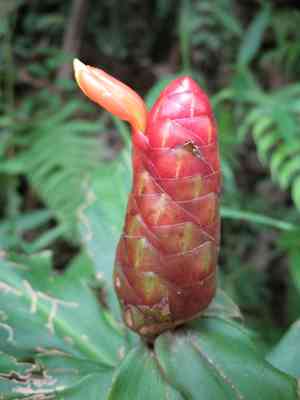
Spiral ginger (Costus scaber)
Also known as: Indian Head Ginger, Spiral Ginger
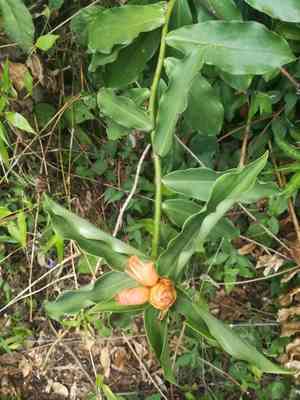
Spiral ginger is notable for its distinctive spiral growth, where its large, fuzzy green leaves encircle the stem. This plant produces striking red or yellow flowers that emerge from cone-shaped bracts, creating a vivid contrast. It is commonly found in the moist undergrowth of forests and flourishes in dappled sunlight, which contributes to its unique spiral structure and vibrant flowers.
In This Article
Attributes of Spiral ginger
Lifespan
Perennial
Plant Type
Herb
Plant Height
1.5 to 3 meters
Spread
Not applicable for herbaceous plants
Leaf Color
Green
Flower Size
2 to 4 cm
Flower Color
Red or Orange
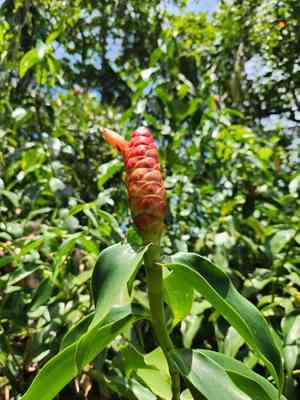
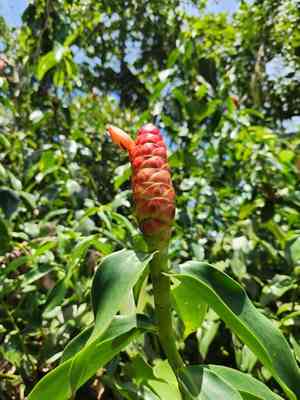
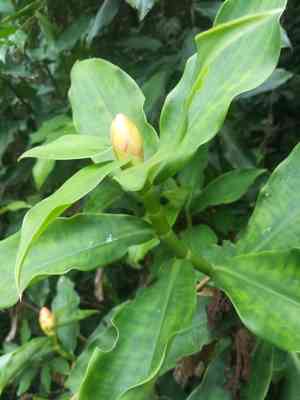
Images of Spiral ginger
Quickly Identify Spiral ginger
1
Costus scaber can be identified by its unique spiral growth, bright red or orange tubular flowers, and large, green, ovate leaves. The plant often grows in a spiral fashion around a central stem, which makes it distinct from other similar species.
Scientific Classification of Spiral ginger
Phylum
Vascular plants
Class
Monocotyledons
Order
Zingiberales
Family
Costus
Genus
Costus
Species
Spiral ginger
Planting and Growing of Spiral ginger
Care Difficulty
Moderate
Watering Schedule
Every 4 days
Sunlight Requirements
Partial sun
Sunshine Duration
4-8 hours
Ideal Temperature
68-77℉
Soil Type
Potting Mix, Peat Mix
Soil pH
6.5-7.5
Fertilizer Type
Balanced
Pruning Season
Spring, Summer
Pruning Area
Branches, Leaves
Pruning Frequency
2 times a year
Repotting Season
Spring
Pot Type
Plastic, Ceramic
 How to Water Spiral ginger?
For Costus scaber, you should water it until the soil is moist but not waterlogged. This typically means giving it about 500 ml of water per session, ensuring the soil feels damp to the touch but avoiding standing water. It's important to let the top inch of soil dry out between watering sessions to prevent rot.
What are the symptoms of an underwatered Spiral ginger?
›
What should I do if my Spiral ginger is not getting enough water?
›
What are the symptoms of an overwatered Spiral ginger?
›
How to save an overwatered Spiral ginger?
›
 What Are the Sunlight Requirements for Spiral ginger?
Partial sun exposure for 4 to 6 hours is perfect, providing ample energy for photosynthesis without risking leaf burn. This balance supports optimal growth and vibrant foliage.
How much sunlight does Costus scaber need?
›
What are the solutions to achieve ideal lighting conditions?
›
What are the benefits of ideal lighting conditions for Costus scaber?
›
 What Is the Ideal Temperature Range for Spiral ginger?
The ideal temperature range for growing Costus scaber is between 68°F and 77°F. This range supports optimal growth and physiological processes. Maintaining temperatures within this range ensures that the plant's metabolic and photosynthetic activities are not compromised, allowing for healthy foliage and potential flowering.
 What Soil is Best for Spiral ginger?
Costus scaber thrives in well-draining soil, preventing waterlogging, which can lead to root rot. It allows for optimal moisture balance, crucial for the plant's healthy growth. A nutrient-rich soil promotes lush foliage and vibrant blooms in Costus scaber. Regularly augmenting the soil with organic matter ensures long-term fertility and plant vigor. Costus scaber requires soil with consistent moisture levels to support its tropical nature. This ensures steady water supply to the roots without causing stress from drying out.
 How to Fertilize Spiral ginger?
For Costus scaber, the amount of fertilizer needed should be moderate. Use a balanced liquid fertilizer diluted to half strength. Avoid overdosing, as it can lead to nutrient burn. A tablespoon per gallon of water is recommended for liquid fertilizers.
 How to Prune Spiral ginger?
Begin by identifying any dead, damaged, or diseased stems. These should be pruned first to improve the plant’s health and appearance. Carefully trim away dead or damaged leaves using sharp scissors, cutting just above a healthy node to encourage new growth. Trim back any leggy stems by cutting them back to the base or to a node, which helps to promote bushier growth and prevents the plant from getting too tall. To encourage a fuller plant, prune the tips of growing stems. This can stimulate lateral growth, leading to a bushier appearance over time.
More About Pruning Techniques→
 How to Propagate Spiral ginger plant?
1
Choose a healthy and non-flowering stem of Costus scaber during early summer. The stem should be at least 3-4 inches long with a few leaves.
2
Using sterilized pruning shears, cut the selected stem below a node. Remove the lower leaves, leaving a couple of leaves at the top to help with photosynthesis.
3
Dip the cut end of the stem in rooting hormone and plant it in a well-draining potting mix. Keep the soil moist but not waterlogged.
 How to Repot Spiral ginger plant?
1
You should consider repotting Costus scaber when you observe roots growing out of the drainage holes or when the plant looks stunted despite good care. These signs usually indicate the plant is root-bound and needs more space to continue thriving.
2
Select a pot that is slightly larger than the current one, with adequate drainage holes. A container that is too large can retain extra moisture, leading to root rot. The right size ensures good drainage and supports healthy root expansion.
3
Use a well-draining, loamy soil mix rich in organic matter. This soil provides the essential nutrients and texture that prevent waterlogging and offers the necessary aeration for healthy root development.
Learn More About Spiral ginger Diseases
Anthracnose
Bacterial Leaf Spot
Bacterial Soft Rot
Bacterial Wilt
Damping-off
Downy Mildew
Drought Stress
Fusarium Wilt
Gray Mold
Leaf Spot
Mosaic
Nutrient Deficiency
Nutrient Toxicity
Powdery Mildew
Root Rot
Root-knot Nematode
Rusts
Sooty Mold
Spider Mites
Temperature Stress
Thrips Damage
White Mold



