How to Transplant Bird in a bush?
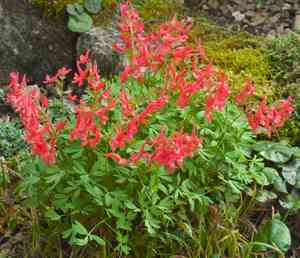
The most favorable period for transplanting bird in a bush is at the onset of spring, as vegetation resumes its activity. Select a location offering partial shade and damp earth. A delicate approach is crucial; bird in a bush flourishes when established with attentiveness.
Preparations Required Before Relocating Bird In A Bush?
Optimal Period for Moving Bird In A Bush?
The best time for transplanting bird in a bush is during the transition from early to mid-spring. This timing allows roots to establish well before the active growth phase, promoting strong health and vitality in your garden.
Recommended Spacing Between Bird In A Bush Plants?
When moving your bird in a bush, aim for a separation of 1-2 feet (30-60 cm) between each specimen. This ensures ample room for development and flourishing.
Ideal Soil Blend for Bird In A Bush Relocation?
Prepare your soil foundation by selecting a well-draining type, as bird in a bush favors it. Incorporate a mild, slow-release fertilizer to supply nutrients over an extended duration.
Where to Replant Your Bird In A Bush?
Select a spot that provides partial shade for your bird in a bush. Consider areas that receive sunlight in the morning or late afternoon, but are shaded during the hottest part of the day.
Equipment to Prepare Before Transplanting Bird In A Bush?
Gardening Gloves
To safeguard your hands while handling soil and bird in a bush.
Shovel or Spade
To carefully excavate the plant from its original spot, ensuring no harm to the root ball.
Garden Trowel
To dig the new planting hole and assist in positioning the plant.
Watering Can
To moisten the soil both prior to and following transplantation.
Compost
To enrich the soil at the new planting location, encouraging rapid establishment and growth.
How to Extract Bird In A Bush from the Soil?
How to Extract Bird In A Bush from the Soil?
From Ground: Start by hydrating the area around the bird in a bush to soften the earth. Then, use a shovel or spade to dig a wide circle around the plant, being careful not to cut into the roots. Next, work the spade beneath the root ball, gently pry it up, and lift the plant with care, keeping as much of the root ball intact as possible.From Pot: Begin by gently tilting the pot sideways, while supporting the plant with your other hand. With minimal force, slide the bird in a bush out. If it resists, tap the pot's sides to loosen the soil and try again. Avoid pulling the plant forcefully as it may damage the roots.From Seedling Tray: Water the tray to soften the soil first. Then, gently grasp the bird in a bush at its base and use a garden trowel to carefully remove it from its compartment. Ensure the root ball remains as intact as possible for successful transplantation.
Step-by-Step Guide for Relocating Bird In A Bush
Preparation
First, prepare the new site by digging a hole twice the size of the root ball using a garden trowel. Mix some compost into the excavated soil.
Planting
Next, place the bird in a bush into the hole. Ensure the top of the root ball is level with the surrounding ground. Then, backfill with the enriched soil until the hole is completely filled. Gently firm down the soil with your hands.
Watering
After the plant is in position, water it generously, making sure the moisture penetrates to the full depth of the roots. Once the water drains, add more soil if necessary, as the water may cause the soil to settle.
Post-Transplant Care for Bird In A Bush?
Watering
Keep the soil around the bird in a bush consistently moist, especially during the initial weeks. In extremely hot or dry conditions, more frequent irrigation may be necessary.
Pruning
If you observe any dead or wilting foliage on your bird in a bush, remove them. This allows the plant to direct its energy towards new growth.
Monitoring
Keep a close watch on your bird in a bush for any indications of transplant shock, such as drooping or discolored leaves. While a slight amount of wilting is normal, persistent symptoms may suggest the plant is struggling with the relocation.
Addressing Common Issues with Bird In A Bush Transplantation.
When is the optimal time for moving bird in a bush?
Ideally, bird in a bush should be moved during the S1-S2 season, when environmental conditions support healthy development.
What is the recommended spacing when planting bird in a bush?
To ensure each bird in a bush has ample room to grow, maintain a distance of 1-2 feet (30-60 cm) between each plant.
What type of soil is best suited for bird in a bush?
Bird in a bush thrives in well-drained soil. While it can tolerate various types, loamy or sandy soil, which drains quickly, would be the most suitable option.
How deep should I plant bird in a bush?
Plant bird in a bush bulbs approximately 2 inches (5 cm) deep. Planting too shallow or too deep could negatively impact its growth.
How soon should I water bird in a bush after transplanting?
Water your bird in a bush immediately after transplanting. This aids in settling the soil around the plant, promoting better adherence.
What is the ideal sunlight requirement for the healthy growth of bird in a bush?
Bird in a bush prefers partially shaded areas. However, it can endure full sun exposure if the soil is kept consistently moist.
How to handle a bird in a bush that appears unwell after being transplanted?
Firstly, review the watering schedule and sunlight exposure. If symptoms persist, consider replanting bird in a bush ensuring ideal soil type, depth, and spacing are maintained.
Can I transplant bird in a bush when it's flowering?
Avoid moving bird in a bush during its flowering period as it might cause shock to the plant. Wait until the blooming phase concludes.
Should I trim bird in a bush before transplanting?
Yes, reducing bird in a bush to about 6 inches (15 cm) in height before transplanting can help minimize water loss and transplant shock.
How to ensure successful growth of bird in a bush after transplantation?
Consistent watering, appropriate sunlight exposure, maintaining suitable distance, and careful planting at the correct soil depth will ensure the healthy development of transplanted bird in a bush.



