How to Transplant Purple pampas grass?
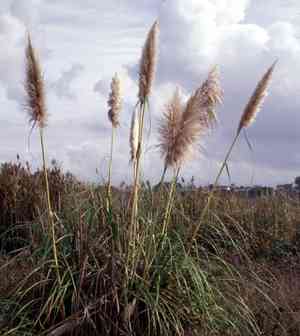
The ideal time to relocate purple pampas grass is from mid-spring through late spring, which guarantees vigorous development. Select a location that receives ample sunlight and has soil that drains effectively. Should the cluster be substantial, contemplate splitting it to foster vitality and facilitate the move.
What Preparations are Needed Before Transplanting Purple Pampas Grass?
What is the Ideal Time for Transplanting Purple Pampas Grass?
Moving purple pampas grass once winter's cold recedes, especially in mid-spring, allows ample time for roots to settle in warm soil. Relocating purple pampas grass during this period of revival ensures smooth acclimation, benefiting from spring's consistent moisture and milder temperatures, crucial for robust development. Gardeners frequently endorse this timingâpurple pampas grass flourishes, its roots integrating with the earth as nature awakens.
How Much Space Should You Leave Between Purple Pampas Grass Plants?
For purple pampas grass, kindly maintain a spacing of approximately 6-8 feet (1.8-2.4 meters) between plants during transplantation. This is vital as they require sufficient room for root expansion and healthy development.
What is the Best Soil Mix for Purple Pampas Grass Transplanting?
Before transplanting purple pampas grass, prepare a well-draining loam or sandy soil. Additionally, apply a foundational layer of slow-release fertilizer, which will provide your purple pampas grass with an excellent start to its growth.
Where Should You Relocate Your Purple Pampas Grass?
Select a site that receives abundant sunlight, as purple pampas grass thrives in direct sun. An area with 6-8 hours of daily direct sun exposure is optimal for them.
What Equipments Should You Prepare Before Transplantation Purple Pampas Grass?
Hand Trowel
Useful for digging in confined areas and loosening soil without extensively harming the plant.
Gardening Gloves
To safeguard your hands while handling soil and plants.
Shovel or Garden Spade
Beneficial for larger and deeper excavation tasks if the purple pampas grass plant is fully grown or nearly mature.
Wheelbarrow
Required for moving larger plants or significant quantities of soil.
Mulch
Aids in retaining moisture and inhibiting weed proliferation.
Watering Can or Hose
Necessary for providing the initial hydration to the transplanted specimen.
How Do You Remove Purple Pampas Grass from the Soil?
How Do You Remove Purple Pampas Grass from the Soil?
From Ground: First, hydrate the purple pampas grass plant to moisten the soil. This facilitates easier removal of the plant from the ground while keeping the root ball as intact as possible. Next, using your shovel or spade, excavate a wide trench around the plant, taking care not to harm the root system. Once the soil is sufficiently loosened, carefully lift the plant from its original spot.From Pot: If the purple pampas grass is in a container, begin by tilting the pot and gripping the plant at its base. Gently rock the plant while pulling, avoiding any harsh tugging or jerking to prevent breaking vital roots. If the plant doesn't come out easily, run a knife or hand trowel along the inner edge of the pot to loosen the soil and roots.From Seedling Tray: For seedlings or small purple pampas grass, water them first, then use a small tool, such as a fork or a hand trowel, to lift the seedling along with its root system. Be gentle to avoid damaging the young plant.
Step-by-Step Guide for Transplanting Purple Pampas Grass
Preparation
Begin by thoroughly watering the garden bed, aiming for moist but not saturated conditions. Dig a hole two to three times wider than the root ball of your purple pampas grass and equally deep.
Placing the Plant
Position the purple pampas grass into the hole, ensuring the top of the root ball is level with or slightly above the surrounding soil surface. This helps prevent the plant from sinking and rotting when watered.
Backfilling
Refill the hole with the excavated soil, gently pressing it around the plant's roots to eliminate any air pockets. Be careful not to cover the plant's base.
Watering
Generously water the plant immediately after planting to establish good root-to-soil contact.
Mulching
Apply a layer of mulch around the plant's base to conserve moisture, but avoid direct contact with the stem to prevent rot and pest issues.
How Do You Care For Purple Pampas Grass After Transplanting?
Moisture Maintenance
Ensure the soil remains consistently damp, which is crucial for establishment, but prevent overwatering to avoid root rot. Using mulch can be highly beneficial for maintaining soil moisture.
Inspection
Regularly checking for signs of pests or diseases is important. Yellowing foliage, stunted development, or unusual insects can all indicate potential issues.
Pruning
If the purple pampas grass appears stressed after transplanting, consider trimming its top to reduce its water and nutrient demands. This allows the plant to prioritize root establishment. However, avoid severe pruning as it could further stress the plant.
Location Stability
Try to avoid relocating the plant again after transplanting. The purple pampas grass requires time to adapt and re-establish its roots in its new environment.
Troubleshooting Common Issues with Purple Pampas Grass Transplantation.
When is the ideal time to transplant purple pampas grass?
The optimal period to transplant purple pampas grass is during the late spring to early summer months, specifically S2-S3.
What's the perfect distance between each purple pampas grass when transplanting?
Maintain a separation of approximately 6-8 feet (1.8-2.4 meters) between each purple pampas grass. This provides sufficient room for growth.
What should I do if purple pampas grass doesn't show growth after transplanting?
Ensure you are supplying the correct amount of water, sunlight, and nutrient-rich soil. If growth remains absent, consult a gardening professional.
What kind of soil does purple pampas grass need when transplanting?
Purple pampas grass thrives best in well-draining soil. Excessive moisture can lead to root rot, which hinders its growth.
Why are the leaves of purple pampas grass turning yellow after transplanting?
Yellowing leaves can indicate overwatering or inadequate drainage. Check the soil's moisture level and improve drainage if necessary.
Can I transplant purple pampas grass during the hot summer months?
Transplanting purple pampas grass in the hot summer months could cause stress to the plant. It is best to transplant during the recommended S2-S3 period.
Why is purple pampas grass wilting shortly after transplanting?
Wilting can be a symptom of transplant shock. To aid its recovery, keep the soil slightly moist and avoid direct sunlight for a few days.
What to do if the new growth of purple pampas grass looks pale and weak?
Weak, pale growth might suggest a nutrient deficiency. Apply a balanced, slow-release fertilizer to support healthy development.
Should I prune purple pampas grass when transplanting it?
Yes, trim back about one-third of the plant at transplanting time. This will help purple pampas grass to focus energy on establishing new roots.
Can I transplant purple pampas grass in containers?
Yes, purple pampas grass can be cultivated in large containers. However, ensure the pot is adequately sized to accommodate its extensive root system and tall stature.



