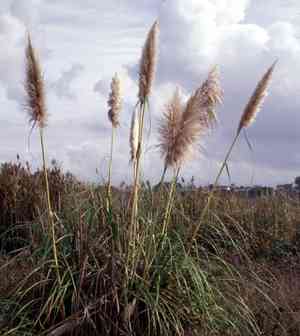
Purple pampas grass (Cortaderia jubata)
Also known as: Pink pampas grass, Pampas grass
Another name for purple pampas grass (*Cortaderia jubata*) is Andean pampas grass. This striking grass, known for its pinkish plumes, originates from the northern Andes in South America. Despite its appealing appearance, it is an invasive species that can cause significant ecological harm in non-native regions. Its tendency to generate large quantities of dry foliage makes it a notable fire risk.
In This Article
Attributes of Purple pampas grass
Lifespan
Perennial
Plant Type
Herb
Plant Height
7 m
Spread
2 m
Leaf Color
Green
Flower Size
10 cm to 15 cm
Flower Color
White Purple Yellow Pink Cream
Images of Purple pampas grass

Quickly Identify Purple pampas grass
1
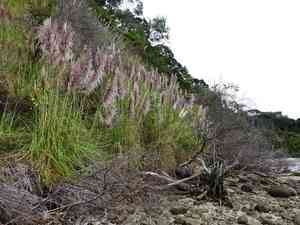
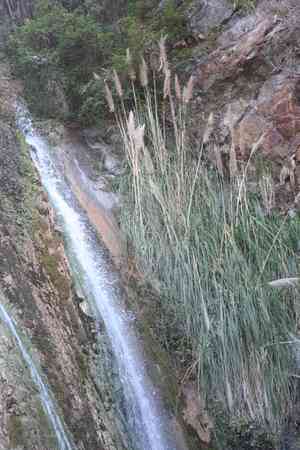
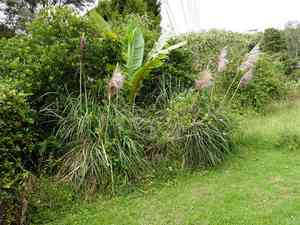
Identify Cortaderia jubata by its large size, dense clumps, and distinctive tall, feather-like pink or purple flower plumes. The leaves are long, narrow, and sharp-edged.
Scientific Classification of Purple pampas grass
Phylum
Vascular plants
Class
Monocotyledons
Order
Poales
Family
Grass
Genus
Pampas grasses
Species
Purple pampas grass
Planting and Growing of Purple pampas grass
Care Difficulty
Easy
Watering Schedule
Every 2 days
Sunlight Requirements
Full sun
Sunshine Duration
4-8 hours
Ideal Temperature
60-75℉
Soil Type
Potting Mix, Peat Mix
Soil pH
6.5-7.5
Fertilizer Type
Balanced
Pruning Season
Spring, Summer
Pruning Area
Branches, Leaves
Pruning Frequency
2 times a year
Repotting Season
Spring
Pot Type
Plastic, Ceramic
 How to Water Purple pampas grass?
Cortaderia jubata, commonly known as pink pampas grass, demands a moderate watering regimen. Watering should be done until the topsoil is thoroughly moistened but not saturated, about 500 milliliters per session, ensuring the roots aren't left in standing water.
What are the symptoms of an underwatered Purple pampas grass?
›
What should I do if my Purple pampas grass is not getting enough water?
›
What are the symptoms of an overwatered Purple pampas grass?
›
How to save an overwatered Purple pampas grass?
›
 What Are the Sunlight Requirements for Purple pampas grass?
Ideal light conditions for Cortaderia jubata span from full to partial sun, ensuring robust growth and abundant flowering. Proper sunlight ensures the plant's health, enhancing its natural beauty and vigor.
More About Sunlight Requirements Techniques→
Optimal Sunlight Exposure
›
Solution for Ideal Lighting
›
Benefits of Ideal Light
›
 What Is the Ideal Temperature Range for Purple pampas grass?
What is the ideal temperature range for Cortaderia jubata cultivation? The ideal temperature range for growing Cortaderia jubata is between 60°F to 75°F. In this range, the plant thrives and exhibits optimal growth. This temperature range provides the perfect balance for photosynthesis and physiological processes, ensuring the plant remains healthy and vibrant.
 What Soil is Best for Purple pampas grass?
Cortaderia jubata thrives in well-draining soils. Good drainage is essential to avoid root rot, which can be fatal. By ensuring water does not stand around the roots, the plant remains healthy and vigorous. A soil rich in organic matter and nutrients promotes robust growth in Cortaderia jubata. Nutrients facilitate lush foliage and strong structural development, making the plant resilient against pests and environmental stresses. Adequate soil aeration ensures the roots of Cortaderia jubata receive sufficient oxygen. Proper aeration prevents compaction, thus enhancing root oxygenation and facilitating nutrient uptake for optimal growth.
 How to Fertilize Purple pampas grass?
Cortaderia jubata prefers moderate fertilization. Use a balanced 10-10-10 liquid fertilizer, diluting it to half strength. About 1/2 cup per month is sufficient during the growing season. Slow-release granules should be used sparingly, avoiding any heavy application.
 How to Prune Purple pampas grass?
Start by identifying and cutting back any dead or yellowing stalks to ground level. These are not only visually unappealing but can also hinder the growth of new, healthy stalks if left unattended. Trim back the outer stalks to manage the plant's overall size, keeping it from encroaching on other plants. Aim to maintain a neat, tidy dome shape to ensure balanced growth and aesthetic appeal. Cortaderia jubata can benefit from a light top trim to stimulate new growth. Cut just the tips of the stalks to encourage the plant to produce fresh shoots, ensuring a lush and vibrant display.
More About Pruning Techniques→
 How to Propagate Purple pampas grass plant?
1
Prepare seed trays by filling them with a well-draining potting mix. This sets the stage for optimal seed germination by providing the necessary nutrients and aeration.
2
Carefully dig up the plant and separate its root clumps with a sharp knife. Ensure each division has a substantial root system to promote successful replanting.
3
Once seedlings appear, gradually expose them to conditions similar to the outdoor environment. This hardening process prepares them for transplantation outdoors.
 How to Repot Purple pampas grass plant?
1
Cortaderia jubata shows obvious signs when it needs repotting. Look for symptoms like roots growing through drainage holes, stunted growth, or soil that seems to dry out quickly. Ideally, do this in spring or summer to allow the plant to adapt in warmer conditions.
2
Choose a pot that is 2-3 inches larger than the current one to allow ample room for growth. It should have drainage holes to prevent waterlogging, which can lead to root rot. A good pot provides stability and ensures proper moisture management, preserving the plant’s health.
3
Opt for well-draining sandy loam soil. This type of soil mimics the plant’s natural habitat, providing necessary aeration and preventing root rot. Excellent drainage and nutrient retention are key benefits, promoting healthy root development and overall plant vitality.
Learn More About Purple pampas grass Diseases
Anthracnose
Bacterial Leaf Spot
Chemical Injury
Crown Gall
Cyst Nematode
Damping-off
Downy Mildew
Drought Stress
Fusarium Wilt
Gray Mold
Leaf Spot
Mosaic
Nutrient Deficiency
Nutrient Toxicity
Powdery Mildew
Root Rot
Root-knot Nematode
Rusts
Sooty Mold
Spider Mites
Temperature Stress
Thrips Damage
White Mold



