How to Transplant Forest cabbage tree?
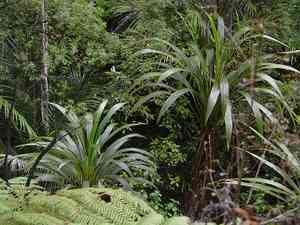
The optimal period for relocating forest cabbage tree is after the last frost and when vegetation resumes, usually in the increasing warmth of early to mid-spring. Select a location abundant in sunlight with soil that drains effectively. Gentle attention can strengthen this resilient perennial during its acclimatization phase.
What Preparations are Needed Before Transplanting Forest Cabbage Tree?
What is the Ideal Time for Transplanting Forest Cabbage Tree?
The best time to move forest cabbage tree is in early to mid-spring, a period full of growth potential. This season allows roots to establish well, taking advantage of the spring growth surge. A friendly reminder: a springtime relocation gives forest cabbage tree a full season to root and flourish, preparing it for summer's strength!
How Much Space Should You Leave Between Forest Cabbage Tree Plants?
When relocating forest cabbage tree, ensure your plants have ample room to expand. Position them approximately 5-6 feet (1.5-1.8 meters) apart. This guarantees each plant receives sufficient nutrients from the soil and prevents overcrowding.
What is the Best Soil Mix for Forest Cabbage Tree Transplanting?
Prepare your soil well in advance. Forest cabbage tree thrives in soil that drains well and is fertile. Enrich the soil with a foundational fertilizer rich in organic matter. Compost can make the soil more favorable for forest cabbage tree's development.
Where Should You Relocate Your Forest Cabbage Tree?
Remember, forest cabbage tree loves sunlight! So aim for a location where your plant can receive full to partial sun throughout the day. Too much shade might negatively impact the growth and vigor of forest cabbage tree.
What Equipments Should You Prepare Before Transplantation Forest Cabbage Tree?
Gardening Gloves
To safeguard your hands while handling soil and forest cabbage tree.
Shovel or Spade
To excavate the plant from its original spot while preserving its root system.
Garden Hoe
To prepare the new planting area by breaking up soil clumps and removing weeds.
Watering Can or Garden Hose
To adequately hydrate the forest cabbage tree before, during, and after its relocation.
Wheelbarrow
To move the forest cabbage tree from its initial location to the new one, minimizing harm.
How Do You Remove Forest Cabbage Tree from the Soil?
How Do You Remove Forest Cabbage Tree from the Soil?
From Ground: Moisten the soil around the forest cabbage tree using a watering can or garden hose; this will facilitate plant removal. Next, using your shovel or spade, dig around the plant, ensuring a wide radius to keep the root ball intact. Once the plant is loose, carefully lift its base with your spade to move it.From Pot: Start by thoroughly watering the potted forest cabbage tree. Gently tilt the pot sideways and carefully slide the plant out, being careful not to pull or tug on the stem.From Seedling Tray: Water the tray and gently separate the small forest cabbage tree. Using a spoon or small tool, scoop out each seedling, ensuring the root structure remains undamaged.
Step-by-Step Guide for Transplanting Forest Cabbage Tree
Prep New Location
Use the garden hoe to prepare the planting site to match the depth and width of forest cabbage tree's root ball.
Soil Conditioning
Improve your garden's soil by incorporating suitable organic compost. The healthier your soil, the more robust your forest cabbage tree will be.
Planting
Carefully place the forest cabbage tree into the newly prepared hole, ensuring it's level and stable before gently backfilling the soil around it.
Watering
Water the forest cabbage tree after transplanting; this helps the soil settle around the plant's roots.
Immediate Aftercare
Cover the soil around the forest cabbage tree with mulch to reduce weed growth and retain moisture.
How Do You Care For Forest Cabbage Tree After Transplanting?
Maintenance
Regularly inspect the forest cabbage tree for any signs of stress, such as wilting or discolouration. If observed, you may need to adjust care routines.
Protection
Shield the newly transplanted forest cabbage tree from strong winds and extreme temperatures for a few weeks to allow it to adapt to the new environment.
Pruning
Trim any dead or damaged leaves or branches that appear due to transplant shock to encourage new growth.
Watering
For the initial couple of weeks post-transplant, keep the soil around the forest cabbage tree consistently moist to promote strong root development.
Troubleshooting Common Issues with Forest Cabbage Tree Transplantation.
Whatâs the best season to transplant forest cabbage tree?
The optimal period to transplant forest cabbage tree is between seasons 1 and 2 (S1-S2), when the plant is least active and most resilient to the stress of relocation.
What is the recommended spacing for forest cabbage tree when I transplant them?
When transplanting forest cabbage tree, be sure to provide ample space for proper growth. Ideally, they should be spaced approximately 5-6 feet (1.52-1.83 meters) apart.
My transplanted forest cabbage tree looks distressed, what might be the issue?
Distressed forest cabbage tree post-transplant could be due to root damage during the moving process. Exercise extra caution during transplanting to minimize root stress.
Can I use my garden soil to transplant forest cabbage tree?
Forest cabbage tree is a hardy perennial; however, it's best to use well-drained soil, rich in organic material, to encourage healthy root establishment and growth.
My forest cabbage tree isnât growing as anticipated after transplantation, what might be the problem?
Slow growth after transplant might be due to planting depth. Ensure forest cabbage tree is planted at the same soil level as it was in its original location.
Why aren't the leaves of my transplanted forest cabbage tree as vibrant as before?
Diminishing leaf color may indicate a nutrient deficiency. Regularly feed your forest cabbage tree with a balanced slow-release fertilizer after transplanting to boost its health.
Why has my transplanted forest cabbage tree become droopy?
Droopiness in forest cabbage tree might be due to water stress. Maintain a consistent watering schedule, ensuring the soil remains slightly moist but not waterlogged.
What should I do if the transplanted forest cabbage tree isn't standing upright?
If forest cabbage tree isn't standing upright after transplanting, consider staking it. Provide support until it becomes stable and develops new roots to anchor itself.
My forest cabbage tree appears wilted after transplantation. What can I do?
Wilting might be a sign of transplant shock. Try to reduce stress by maintaining consistent watering, feeding, and light conditions as it adjusts to the new spot.
How can I ensure a successful transplant for forest cabbage tree?
For successful transplantation of forest cabbage tree, ensure it's done in the ideal season (S1-S2), it's kept at an ideal 5-6 feet (1.52-1.83m) spacing, without damaging roots and maintaining proper care post-transplanting.



