How to Transplant Gbanja cola tree?
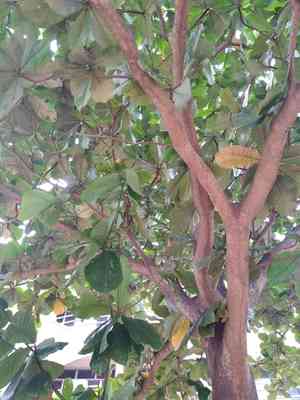
The gbanja cola tree flourishes when relocated as winter recedes, transitioning into the early stages of natural revival. Select a sunny, adequately drained location to replicate its indigenous environment. A gentle reminder: perseverance and careful manipulation strengthen successful transplantation endeavors.
What Preparations are Needed Before Transplanting Gbanja Cola Tree?
What is the Ideal Time for Transplanting Gbanja Cola Tree?
The most opportune period to relocate your gbanja cola tree is during the active growth phase, typically from early spring through late spring. Moving gbanja cola tree at this time allows for optimal root development, benefiting from moderate weather that prevents extreme heat or cold stress. This timing also aligns with the natural growth cycle of perennials, ensuring robust establishment as the season progresses.
How Much Space Should You Leave Between Gbanja Cola Tree Plants?
Provide ample room for your gbanja cola tree's root system to expand! Aim for a spacing of approximately 25-30 feet (7.6-9.1 meters) between each plant. This ensures sufficient space for them to mature fully and robustly!
What is the Best Soil Mix for Gbanja Cola Tree Transplanting?
Your gbanja cola tree will flourish in well-drained, nutrient-rich soil. Incorporate plenty of compost to enrich the medium. A balanced, slow-release fertilizer will provide your gbanja cola tree with a strong start. Remember, careful handling promotes healthy growth!
Where Should You Relocate Your Gbanja Cola Tree?
Select a sunny spot where your gbanja cola tree can receive at least 6 hours of direct sunlight daily. A location that gets morning sun is generally preferred. Your gbanja cola tree thrives in bright conditions, much like we enjoy a sunny day!
What Equipments Should You Prepare Before Transplantation Gbanja Cola Tree?
Gardening Gloves
To safeguard your hands while handling soil and plants.
Shovel or Spade
For excavating the plant and preparing the new planting site.
Hand Trowel
For minor digging tasks and refining the planting hole.
Watering Can or Hose
To hydrate the plant before and after relocation.
Wheelbarrow
To move the gbanja cola tree and any soil amendments.
Pruning Shears
To trim any damaged or excessively long roots.
Measuring Tape
To ensure the planting hole is the correct dimensions.
Stakes and Ties
For supporting the gbanja cola tree after transplanting if needed.
Mulch
To help retain soil moisture and regulate temperature post-transplant.
How Do You Remove Gbanja Cola Tree from the Soil?
How Do You Remove Gbanja Cola Tree from the Soil?
From Ground: First, moisten the gbanja cola tree's soil. Use a shovel or spade to dig a wide trench around the plant, ensuring enough space to encompass most of the root ball. Carefully slide the spade beneath the root ball and, with a gentle lifting motion, separate the plant from the ground.From Pot: Water the gbanja cola tree thoroughly. Gently tilt the pot on its side and tap or press the sides to loosen the plant. Slide the plant out, being careful not to pull forcefully on the stem, which could damage it or the roots.From Seedling Tray: Water the seedlings to soften the soil, which will facilitate removal. Use a hand trowel or your fingers to gently lift the gbanja cola tree from the tray, taking care not to harm the delicate roots and stem.
Step-by-Step Guide for Transplanting Gbanja Cola Tree
Root Inspection
Examine the gbanja cola tree's root system, trim any damaged roots, and untangle them if necessary to encourage proper root spread after transplanting.
Hole Preparation
Dig a hole in the ground that is twice the width of the root ball and of equal depth to prevent planting the gbanja cola tree too deeply.
Placing the Plant
Position the gbanja cola tree in the center of the hole, gently spreading its roots naturally. The top of the root ball should be level with the surrounding soil surface.
Backfilling
Gradually refill the hole with soil around the root ball, lightly tamping to eliminate air pockets. Ensure the plant is upright and at the correct depth while backfilling.
Watering
Water the gbanja cola tree generously immediately after planting to settle the soil and provide essential moisture to the roots.
Support Installation
If required, insert stakes firmly into the ground outside the root zone and gently secure the gbanja cola tree to the stakes for additional stability.
Mulching
Apply a layer of mulch around the base of the gbanja cola tree, keeping it a few inches away from the stem to prevent rot and help maintain soil moisture.
How Do You Care For Gbanja Cola Tree After Transplanting?
Support
Regularly inspect and adjust stakes and ties to ensure they are not too tight and continue to provide adequate support as the gbanja cola tree grows.
Watering
Maintain consistent soil moisture, especially during the initial growing season, to promote healthy root development without overwatering, which can lead to root rot.
Pruning
Remove any broken or dead branches to encourage new growth and maintain the gbanja cola tree's shape. Handle with care to avoid causing unnecessary stress.
Observation
Continuously monitor the gbanja cola tree for signs of transplant shock, such as wilting foliage or discoloration, and take appropriate action if needed.
Troubleshooting Common Issues with Gbanja Cola Tree Transplantation.
What's the best time to transplant an gbanja cola tree?
Transplant gbanja cola tree during early to late spring, when the weather is mild and conducive for root growth.
How far apart should gbanja cola tree be planted?
Space gbanja cola tree transplants approximately 25-30 feet (7.6-9.1 meters) apart to ensure sufficient room for growth.
Why are the leaves of my transplanted gbanja cola tree wilting?
Wilting after transplanting may indicate shock. Ensure proper watering, avoid direct sun initially, and shield from strong winds.
What soil conditions favor gbanja cola tree transplantation?
Plant gbanja cola tree in well-draining, fertile soil with a pH of 6.0-6.5. Amend soil if necessary before transplanting.
How do I water gbanja cola tree after transplanting?
Water thoroughly after transplanting and maintain moist soil for the first few weeks, reducing frequency as the plant establishes.
Should I prune gbanja cola tree during transplanting?
Minor pruning may be done to remove damaged or diseased branches. However, extensive pruning is not recommended immediately after transplanting.
Can I transplant gbanja cola tree on a windy day?
Avoid transplanting gbanja cola tree on excessively windy days to prevent desiccation and stress. Choose a calm day for the task.
How deep should the planting hole be for gbanja cola tree?
Dig a hole twice the width and as deep as the root ball. This gives gbanja cola tree roots ample space to establish.
Why is my gbanja cola tree not thriving after transplant?
Check for proper planting depth, watering, and soil conditions. Consider if the roots were sufficiently watered or damaged during the transplant process.
Is mulching beneficial for transplanted gbanja cola tree?
Yes, mulching conserves moisture, regulates soil temperature, and suppresses weeds. Apply a 2-3 inches (5-7.5 cm) layer around, but not touching, the trunk.



