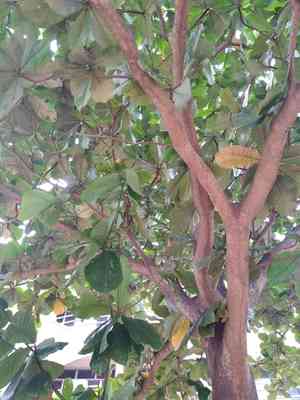
Gbanja cola tree (Cola nitida)
Also known as: Kola nut, Bissy nut
The Gbanja cola tree, also known as Cola nitida, is cultivated for its appealing flowers and seeds. These seeds, commonly referred to as kola nuts, are rich in caffeine. They are chewed for an energy boost and used as a flavor enhancer in sodas and energy drinks.
In This Article
Attributes of Gbanja cola tree
Lifespan
Perennial
Plant Type
Tree
Plant Height
12 m to 20 m
Spread
20 m
Leaf Color
Green
Flower Size
2 cm
Flower Color
White Yellow Green Red
Images of Gbanja cola tree
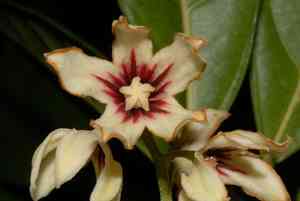
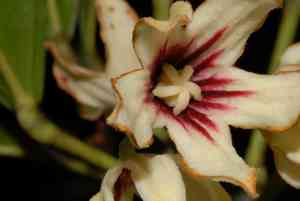
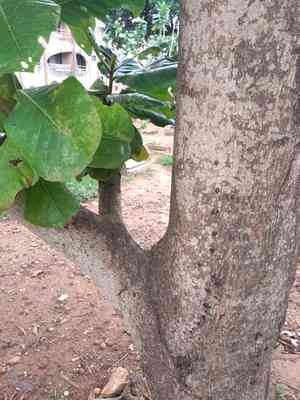
Quickly Identify Gbanja cola tree
1
The Kola nut tree can be identified by its large, glossy, and leathery leaves, and oblong fruits that contain seeds, which are the Kola nuts. The nuts themselves are about the size of a chestnut, usually reddish or white in color.
Scientific Classification of Gbanja cola tree
Phylum
Vascular plants
Class
Dicotyledons
Order
Malvales
Family
Mallow
Genus
Cola
Species
Gbanja cola tree
Planting and Growing of Gbanja cola tree
Care Difficulty
Hard
Watering Schedule
Every 2 days
Sunlight Requirements
Partial sun
Sunshine Duration
6-10 hours
Ideal Temperature
68-86℉
Soil Type
Potting Mix, Peat Mix
Soil pH
6.5-7.5
Fertilizer Type
Balanced
Pruning Season
Spring, Summer
Pruning Area
Branches, Leaves
Pruning Frequency
2 times a year
Repotting Season
Spring
Pot Type
Plastic, Ceramic
 How to Water Gbanja cola tree?
Cola nitida requires a careful approach to watering. The soil should be consistently moist but never soggy. It's important to water thoroughly until you see excess moisture draining from the pot's base, ensuring the entire root system gets hydrated. Adjust water quantity to maintain moisture without waterlogging.
What are the symptoms of an underwatered Gbanja cola tree?
›
What should I do if my Gbanja cola tree is not getting enough water?
›
What are the symptoms of an overwatered Gbanja cola tree?
›
How to save an overwatered Gbanja cola tree?
›
 What Are the Sunlight Requirements for Gbanja cola tree?
Partial sun with 4 to 6 hours of direct light supports healthy foliage and fruit production, fostering optimal growth conditions for Cola nitida.
More About Sunlight Requirements Techniques→
What are the optimal lighting conditions?
›
How can I achieve the ideal lighting conditions?
›
What benefits does the ideal lighting offer?
›
 What Is the Ideal Temperature Range for Gbanja cola tree?
For Cola nitida, the ideal temperature range is between 68°F and 86°F. In this range, the plant exhibits optimal growth and development, with efficient photosynthesis and nutrient assimilation. Maintaining consistent temperatures within this window prevents stress and supports robust plant health.
 What Soil is Best for Gbanja cola tree?
Cola nitida prefers soils with good drainage to prevent root rot. Loam or sandy loam soil types are ideal because they allow excess water to drain away quickly, reducing the risk of fungal infections. While drainage is crucial, the soil should also have the capacity to retain sufficient moisture to sustain the plant. A balanced moisture level aids in consistent growth and healthy foliage. To thrive, Cola nitida demands soil rich in essential nutrients. Regular addition of organic matter can enhance the soil fertility, providing the plant with the necessary minerals for optimal growth.
 How to Fertilize Gbanja cola tree?
For Cola nitida, the fertilizer amount should align with its growth needs. Use approximately half the recommended dose for general-purpose fertilizers, which typically results in about 1 tablespoon per gallon of water for liquid fertilizers. Slow-release fertilizers should be applied based on the product instructions but usually not exceeding 1 cup per plant per session.
 How to Prune Gbanja cola tree?
Start by identifying and removing any dead or diseased branches. Use clean, sharp pruning shears to make clean cuts, avoiding any damage to the bark or stems. Shape the tree by cutting branches that cross or grow inward to improve air circulation. Keep the tree balanced by only removing up to one-third of the foliage at a time. To encourage more fruits, focus on cutting back on branches that have already borne fruit. This rejuvenates the tree and promotes the growth of new wood which is more productive. Additionally, thinning the canopy allows more sunlight to penetrate, which can enhance fruit development.
More About Pruning Techniques→
 How to Propagate Gbanja cola tree plant?
1
Choose healthy and mature seeds from a reputable source to ensure the best germination success. Look for seeds that are full and undamaged for optimal results.
2
Cut a healthy portion of the plant just below a node, ensuring the cutting is around 4-6 inches long. Remove the leaves from the lower half to minimize water loss.
3
Plant seeds or cuttings in the sterile potting mix, burying them to an appropriate depth. Keep the soil moderately moist but not overly saturated to ensure good root development.
 How to Repot Gbanja cola tree plant?
1
Cola nitida, commonly known as the Kola Nut plant, shows signs for repotting when you notice roots emerging from drain holes, stunted growth, or the need for more frequent watering. These signs indicate that the plant's root system needs more space to flourish, ensuring optimal growth and health.
2
Select a pot that's 2 inches wider than the current one. This allows sufficient space for root growth without overwhelming the plant with too much soil, which can retain excess moisture. A pot with good drainage holes is crucial to prevent waterlogging, which Kola Nut plants detest.
3
Opt for a rich, well-draining soil mix. An ideal blend includes peat moss, perlite, and some organic matter. This mix retains necessary moisture while ensuring excess drains away, mimicking the plant's natural habitat, promoting healthy root growth, and preventing root rot.
Learn More About Gbanja cola tree Diseases
Anthracnose
Bacterial Leaf Spot
Bacterial Soft Rot
Crown Gall
Cyst Nematode
Damping-off
Downy Mildew
Drought Stress
Fusarium Wilt
Gray Mold
Leaf Curl
Leaf Spot
Mosaic
Nutrient Deficiency
Nutrient Toxicity
Powdery Mildew
Root Rot
Root-knot Nematode
Rusts
Sooty Mold
Spider Mites
Temperature Stress
Thrips Damage
White Mold



