How to Transplant Rose glory bower?
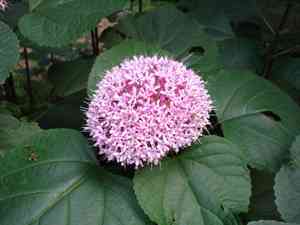
The ideal period for relocating rose glory bower is from the beginning to the end of spring, as these conditions encourage robust development. To achieve the best outcome, select a location with partial shade that aligns with rose glory bower's requirements. Carefully loosening the root mass will facilitate a smooth adjustment.
What Preparations are Needed Before Transplanting Rose Glory Bower?
What is the Ideal Time for Transplanting Rose Glory Bower?
The optimal period for relocating your rose glory bower spans from the start of spring to early summer. This timeframe provides mild temperatures that encourage rapid root development. The plant experiences less stress during this phase, leading to healthier, more abundant blooms. Ensure the ground is properly prepared beforehand for a seamless transplant. This timing guarantees the best possible growth outcome for your rose glory bower.
How Much Space Should You Leave Between Rose Glory Bower Plants?
When moving rose glory bower, allow ample room for its growth and flourishing. We suggest a spacing of approximately 8-10 feet (2.4-3 meters) between each plant, providing sufficient area for them to expand.
What is the Best Soil Mix for Rose Glory Bower Transplanting?
Prior to transplanting rose glory bower, prepare the soil using a well-draining mix with a pH that is slightly acidic to neutral. Incorporating a foundational fertilizer, such as a slow-release granular type, will give your plant a robust start.
Where Should You Relocate Your Rose Glory Bower?
When choosing a new spot for your rose glory bower, look for a location that receives full sun to partial shade. This will ensure your plant gets the appropriate amount of sunlight to grow and thrive.
What Equipments Should You Prepare Before Transplantation Rose Glory Bower?
Gardening Gloves
To shield your hands from thorns and sharp tools while working with the soil and plant material.
Spade or Shovel
To extract the plant from its current spot and excavate a new hole at the transplant site.
Garden Trowel
For more delicate tasks, including removing rose glory bower from small containers or lifting young plants.
Wheelbarrow
To safely move the rose glory bower plant from its original position to its new planting location without causing undue stress to the plant.
Watering Can
To hydrate the root ball before and after relocating the plant to minimize transplant shock.
Mulch
To cover the soil surface around the plant after transplanting to help retain soil moisture.
How Do You Remove Rose Glory Bower from the Soil?
How Do You Remove Rose Glory Bower from the Soil?
From Ground: Begin by watering the rose glory bower plant to moisten the soil, making extraction easier. Using a spade or shovel, dig a wide trench around the plant, ensuring the plant's root ball remains intact. Continue to gently work the spade beneath the root ball until you can safely lift the plant from its original spot.From Pot: If the plant is in a container, water it first to loosen the soil. Then, carefully tilt the pot sideways and slide out the plant, trying not to harm the root ball. If the plant is stuck, you may need to tap the bottom of the pot to dislodge it.Seedling Tray: For removal from a seedling tray, use a garden trowel or your hand to gently scoop out the plant. Be careful not to damage the delicate roots.
Step-by-Step Guide for Transplanting Rose Glory Bower
Transplant Timing
Relocate your rose glory bower plant during the cooler parts of the day, typically early morning or late afternoon, to prevent dehydration.
Digging a Hole
Once the old location is prepared, it's time to dig a hole in the new spot. The hole should be twice as wide and equally as deep as the root ball of the rose glory bower.
Positioning the Plant
Carefully place the rose glory bower plant in the hole, ensuring it stands upright. The top of the root ball should be level with the surrounding soil. Fill the remaining hole with soil, pressing gently to eliminate any air pockets.
Watering
After planting, water generously so the soil settles around the plant. This helps to reduce transplant shock and allows the plant to adapt to its new environment.
How Do You Care For Rose Glory Bower After Transplanting?
Watering Frequency
Keep the soil around the rose glory bower plant consistently moist, but not waterlogged, for the initial few weeks after transplanting to establish strong roots. However, avoid overwatering as it may lead to root rot.
Pruning
Pruning is not immediately necessary after transplanting. But, once the rose glory bower has begun to settle in, remove any dead or damaged growth to encourage new and healthy development.
Pest and Disease Check
Monitor for signs of pests or diseases, as rose glory bower can be more vulnerable to these after the stress of transplanting. If you notice anything unusual, contact your local nursery or extension service for treatment recommendations.
Troubleshooting Common Issues with Rose Glory Bower Transplantation.
What's the ideal time to transplant rose glory bower?
The best time for relocating rose glory bower is from early spring to late spring. They thrive on the energy in the spring air!
How much space should be kept between rose glory bower when transplanting?
When you move rose glory bower, aim for a generous spacing of around 8-10 feet (2.4-3 meters). This provides ample room for their healthy development.
What should I do if my transplanted rose glory bower wilts?
Wilting after transplant is not uncommon. Ensure your rose glory bower is receiving sufficient water, but avoid oversaturation. If wilting persists, re-evaluate its surroundings.
How should I prepare the soil for rose glory bower before transplanting?
Rose glory bower prefer well-drained soil. Dig a hole twice the size of the root ball and fill it with a mix of compost and soil to ensure good growth.
Do rose glory bower require regular pruning after transplanting?
Yes, consistent pruning keeps rose glory bower in good form. Cut back about one-third of the plant after transplanting to stimulate growth. Remember, never over-prune!
What signs of successful transplantation should I expect from rose glory bower?
Successful transplantation is indicated by new leaf growth and blooming flowers. If rose glory bower exhibits these signs, you're on the right track!
Are there any specific watering needs for rose glory bower post-transplant?
Yes, rose glory bower need consistent watering after transplanting, but avoid waterlogging. Once established, you can gradually reduce the amount and frequency.
How to address yellow leaves on my transplanted rose glory bower?
Yellow leaves may suggest overwatering or poor drainage. Reduce your watering schedule and ensure the planted site is well-drained. If symptoms persist, soil nutrients could be deficient.
What precautions do I take when transplanting rose glory bower?
Be gentle while handling rose glory bower. Avoid damaging the stem or roots. Also, transplant on an overcast day or late in the afternoon to minimize shock.
Can I fertilize rose glory bower soon after transplanting?
Ideally, wait 4-6 weeks before fertilizing to avoid overwhelming your newly transplanted rose glory bower. Then, use a balanced slow-release fertilizer according to its requirements.



