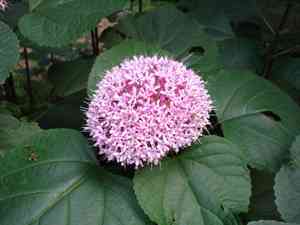
Rose glory bower(Clerodendrum bungei)

Rose glory bower (Clerodendrum bungei)

Also known as: Cashmere bouquet, Glory flower

The Rose Glory Bower (Clerodendrum bungei) is an evergreen shrub known for its fragrant, rosy pink blooms. It has the potential to form invasive colonies and features hardy roots that can withstand freezing temperatures. This plant thrives in both full sunlight and partial shade.

Attributes of Rose glory bower

Lifespan
Perennial
Plant Type
Shrub
Plant Height
1 m to 2 m
Spread
90 cm to 1.8 m
Leaf Color
Green Purple
Flower Size
10 cm
Flower Color
Pink Red

ForwardPlant - Identify plants with a snap

Identify and diagnose plants, get toxicity alerts, and explore safety guides for all types of fungi.

Try for Free

Images of Rose glory bower

Rose glory bower(Clerodendrum bungei)

Quickly Identify Rose glory bower

1
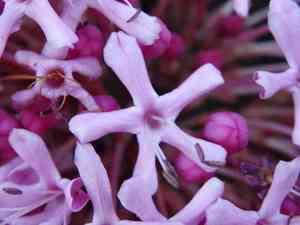
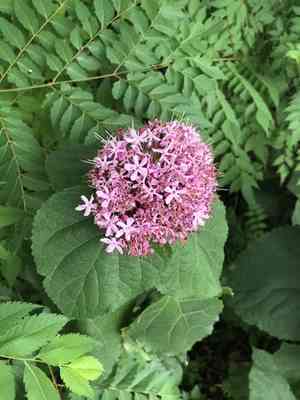
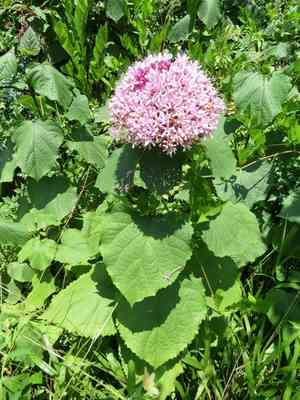
Clerodendrum bungei can be identified by its heart-shaped, dark green leaves, clusters of fragrant pink to reddish flowers, and a tendency to spread through suckers. The leaves have a distinctive, pungent smell when crushed.

Scientific Classification of Rose glory bower

Phylum
Vascular plants
Class
Dicotyledons
Order
Lamiales
Family
Mint
Genus
Glorybowers
Species
Rose glory bower

Planting and Growing of Rose glory bower

Care Difficulty
Easy
Watering Schedule
Every 4 days
Sunlight Requirements
Partial sun
Sunshine Duration
6-10 hours
Ideal Temperature
65-75℉
Soil Type
Potting Mix, Peat Mix
Soil pH
6.5-7.5
Fertilizer Type
Balanced
Pruning Season
Spring, Summer
Pruning Area
Branches, Leaves
Pruning Frequency
2 times a year
Repotting Season
Spring
Pot Type
Ceramic, Plastic

water icon How to Water Rose glory bower?

Clerodendrum bungei should be watered thoroughly until water drains out of the bottom of the pot, ensuring that the soil is evenly moist but not soggy. The principle is to mimic its natural habitat's rainy seasons with proper drainage to avoid root rot.
What are the symptoms of an underwatered Rose glory bower?
What should I do if my Rose glory bower is not getting enough water?
What are the symptoms of an overwatered Rose glory bower?
How to save an overwatered Rose glory bower?

sunlight icon What Are the Sunlight Requirements for Rose glory bower?

Sunlight Requirements: Partial sun, Full sun
Duration of light: 4 to 6 hours daily
Clerodendrum bungei thrives best with partial sun to full sun exposure. This range supports its growth, enhances flowering, and ensures robust plant health.
Optimal Light Location
Sunlight Exposure Adjustment
Filtered Light Benefits
More About Sunlight Requirements Techniques

temperature icon What Is the Ideal Temperature Range for Rose glory bower?

Ideal Temperature: 65 ~ 75℉
For optimal growth, Clerodendrum bungei thrives in temperatures ranging from 65°F to 75°F. This range allows the plant to develop its vibrant foliage and beautiful blooms efficiently. Within this temperature band, there is a balance of warmth and humidity that promotes healthy metabolic activities and keeps the plant vigorous.

soil icon What Soil is Best for Rose glory bower?

Soil type: Loam, Sandy loam
Soil PH: 6.5 ~ 7.5
For optimal growth, Clerodendrum bungei thrives in nutrient-rich soil that supports its vibrant blooms. This type of soil enhances the plant's vitality by providing essential nutrients for lush foliage. Clerodendrum bungei prefers well-drained soil to prevent root rot, a common issue in overly wet conditions. Proper drainage helps maintain healthy root systems and supports vigorous plant growth. Although well-drained, the soil should retain consistent moisture to ensure Clerodendrum bungei receives adequate water. This balance prevents stress from drought while avoiding waterlogged roots. More About Soil

fertilize icon How to Fertilize Rose glory bower?

Fertilizer type: Balanced
Clerodendrum bungei benefits from a modest but regular fertilization program. For liquid fertilizer, use a balanced 10-10-10 NPK fertilizer diluted to half the recommended strength to prevent fertilizer burn. For slow-release fertilizers, use approximately one tablespoon per plant to encourage robust growth without overwhelming the plant. The amount should be adjusted based on the plant size and its growth stage. More About Fertilizing Techniques

prune icon How to Prune Rose glory bower?

Pruning Time: Spring, Autumn
Begin pruning Clerodendrum bungei by identifying any dead or diseased branches and removing them to prevent the spread of infections. Next, focus on shaping the plant by cutting back overgrown branches to desirable lengths. This will help maintain a compact and tidy form. Always use sharp, clean pruning shears to make clean cuts and minimize plant stress. More About Pruning Techniques

propagate icon How to Propagate Rose glory bower plant?

Propagate Time: Spring, Early summer, Late summer
1
Collect seeds from mature Clerodendrum bungei plants. Ensure the seeds are dry before storing them in a cool, dry place for further planting.
2
Select healthy, non-flowering stems around 10-15 cm long for cuttings. Cut at a 45-degree angle to maximize rooting surface area.
3
Prepare a well-draining soil mix composed of peat, perlite, and sand. Moisten the soil lightly before inserting the seeds or cuttings.
More About Propagating Techniques

repot icon How to Repot Rose glory bower plant?

Repotting frequency: Yearly
1
Clerodendrum bungei requires repotting when its roots begin to outgrow the current container. Signals include roots protruding from the drainage holes, slow growth despite adequate care, or the plant frequently needing water. Spring is the ideal time, allowing roots to establish before the active growing season.
2
Select a pot that is only 1-2 inches larger than the root ball of your Clerodendrum bungei. Ensure it has adequate drainage holes to prevent waterlogging. Using a slightly larger pot prevents root rot, offers stability, and supports healthy growth by allowing just enough room for root expansion.
3
Opt for a well-draining potting mix rich in organic material to support Clerodendrum bungei's growth. This soil mixture provides adequate aeration and retains the right moisture levels, which prevents root rot and ensures that roots receive necessary nutrients efficiently.

ForwardPlant - Identify plants with a snap

Find the best spots for them to optimize their health, simply using your phone.

Try for Free

Toxicity of Rose glory bower

Is Rose glory bower toxic to cat?

The rose glory bower is identified as possessing a mild toxicity level for cats. Generally, cats become poisoned by consuming large quantities of this plant, and due to the fact that all components of the rose glory bower are toxic, it is essential to maintain strict control over their exposure. If a cat ingests rose glory bower, it may display symptoms of discomfort or illness, which serve as warnings that the animal needs immediate veterinary care. Given the risks it poses, it is imperative for cat owners to prevent their pets from accessing rose glory bower and to quickly seek veterinary assistance if poisoning is suspected.

Is Rose glory bower toxic to dog?

The rose glory bower presents a mild toxicity risk to dogs. If ingested in significant amounts, this plant may lead to poisoning in canines. All segments of the rose glory bower—including leaves, flowers, stems, and roots—are deemed toxic, meaning that consuming any part can result in poisoning. Dogs exhibiting symptoms of poisoning may experience gastrointestinal distress such as vomiting and diarrhea, along with lethargy or other signs of discomfort. It is vital for dog owners to monitor their pets closely and restrict access to the rose glory bower, particularly if their dog has a habit of chewing on plants. Should a dog consume rose glory bower, it is imperative to seek immediate veterinary assistance to effectively manage any potential symptoms and safeguard the health of the pet.

Identify toxic plants for your safety

Learn which plants are harmful to you and your pets, and make informed choices for a safer home!

Try for Free
WARNING
The judgment on toxicity and danger is for reference only. We DO NOT GUARANTEE any accuracy of such judgment. Therefore, you SHALL NOT rely on such judgment. It is IMPORTANT TO SEEK PROFESSIONAL ADVICE in advance when necessary.
More About Toxic Techniques