How to Transplant Sweet autumn clematis?
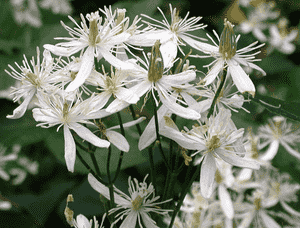
Sweet autumn clematis flourishes when relocated in the vigor of mid to late spring. Select a location featuring soil that drains effectively and receives partial sunlight. To achieve peak development, guarantee that root disruption is kept to a minimum and that support frameworks are established after transplantation.
What Preparations are Necessary Before Relocating Sweet Autumn Clematis?
What is the Optimal Period for Relocating Sweet Autumn Clematis?
Move sweet autumn clematis in mid-spring. This timing allows the plant to settle in mild temperatures prior to summer's heat. Shifting sweet autumn clematis now promotes robust root development, ensuring vigorous growth and abundant flowering.
How Much Distance Should You Maintain Between Sweet Autumn Clematis Plants?
For planting sweet autumn clematis, consider providing each ample room to expand. An ideal spacing would be between 3-6 feet (1-2m). This will ensure healthy development and proper air circulation, which helps prevent diseases.
What is the Best Soil Mixture for Sweet Autumn Clematis Relocation?
Prepare the ground for sweet autumn clematis with soil that drains well. A suitable option could be loamy soil, enriched with some organic and compost material. Utilize a foundational fertilizer with balanced N-P-K nutrients to ensure healthy growth.
Where Should You Move Your Sweet Autumn Clematis?
Sweet autumn clematis prefers a location with full sun to thrive, but can endure partial shade. Choose a spot where it can receive at least 6 hours of daily sun. However, excessive midday sun could harm it, especially in warmer climates.
What Equipment Should You Prepare Before Relocating Sweet Autumn Clematis?
Excavation Tools
Employ a spade or a garden fork for digging in the garden and creating a planting hole. These implements will also be useful if you need to expose the roots of sweet autumn clematis from its original spot.
Container
If you're extracting sweet autumn clematis from a pot, you might require a container for temporarily holding the uprooted plant.
Pruning Shears
You'll need these for trimming any damaged roots or unruly growth of sweet autumn clematis prior to relocation.
Gardening Gloves
To safeguard your hands from soil and any sharp roots while working with the plant.
Watering Can
This will be used to moisten the hole and the root ball of sweet autumn clematis before and after relocation.
Support Structures
Some varieties of sweet autumn clematis might necessitate physical support, such as a trellis, to grow upwards.
How Do You Extract Sweet Autumn Clematis from the Soil?
How Do You Extract Sweet Autumn Clematis from the Soil?
From Ground: Water sweet autumn clematis thoroughly the day before the planned relocation to ensure the soil and roots are damp, which will facilitate removal. Use a spade or garden fork to dig around the plant's root ball, taking extra care not to harm the roots. Gently lift the root ball from the ground, retaining as much of the original soil clinging to the roots as possible.From Pot: Water the plant thoroughly the day before you intend to relocate it. On the day of relocation, tilt the pot sideways, holding sweet autumn clematis at its base. Gently pull or coax the plant out of the pot. Avoid tugging or pulling at the stems.From Seedling Tray: Water sweet autumn clematis well before relocating. Loosen the soil around the tray's edges, then lift the plant out by grasping around the roots to ensure none are left behind or damaged.
Step-by-Step Guide for Relocating Sweet Autumn Clematis
Preparation
Prepare the hole before removing sweet autumn clematis from its initial location. The hole should be twice as wide and approximately the same depth as the root ball of sweet autumn clematis. Add a layer of compost or organic material to the bottom of the hole.
Placement
Once sweet autumn clematis has been carefully extracted from its original spot, place it in the hole. The top of the plant's root ball should be level with or slightly below the ground surface.
Backfilling
Return the garden soil to the hole, filling around the roots of sweet autumn clematis. Gently firm the soil to eliminate any air pockets.
Watering
Water sweet autumn clematis generously immediately after planting. This aids the soil in settling around the root ball and helps the plant recover from the shock of relocation.
Supporting
If necessary, install a trellis or another form of support for sweet autumn clematis to climb.
How Do You Care For Sweet Autumn Clematis After Relocation?
Mulching
Apply a layer of mulch around sweet autumn clematis to retain soil moisture and deter weed growth. Ensure the mulch does not touch the plant's stem or trunk to prevent disease or pest infestation.
Pruning
Trim away any dead or dying branches from sweet autumn clematis a few weeks after relocation to encourage new growth and maintain the plant's overall health.
Observation
Monitor for signs of relocation shock, such as wilting or yellowing leaves. If these symptoms persist despite adequate watering, consult a local nursery or gardening expert.
Protection
Initially shield sweet autumn clematis from harsh weather conditions. A shade cloth may be beneficial in protecting the plant from intense sun.
Troubleshooting Common Issues with Sweet Autumn Clematis Relocation.
When is the optimal time to relocate sweet autumn clematis?
Your most successful relocation period is from late spring to early summer, during moderate temperatures (60°F - 70°F / 15.5°C - 21°C).
What is the recommended spacing between each sweet autumn clematis during relocation?
To allow for proper growth, keep each sweet autumn clematis plant 3 to 6 feet (90 cm - 180 cm) apart. This prevents overcrowding.
What size of hole should I excavate for sweet autumn clematis relocation?
Dig a hole twice as wide and deep as the sweet autumn clematis's root ball. A larger space promotes root expansion and healthier growth.
How can I ensure that sweet autumn clematis receives the correct amount of sunlight after relocation?
Select an area where sweet autumn clematis can receive full sun to partial shade. This means 3-6 hours of direct sunlight daily.
What is the advised method for watering sweet autumn clematis plants after relocation?
Water the sweet autumn clematis thoroughly immediately after relocation, then 1-2 times per week, depending on rainfall. Ensure the soil is moist, not saturated.
How can I verify that the new relocation spot has adequate soil drainage for sweet autumn clematis?
Before placing sweet autumn clematis, fill the hole with water. If it drains in under an hour, the site has good drainage for your plant.
What type of soil should I use when relocating sweet autumn clematis?
Use well-drained garden soil. You can amend it with compost or other organic matter to retain moisture and provide essential nutrients.
Is there a specific way to handle the roots of sweet autumn clematis during relocation?
Handle sweet autumn clematis's roots with care to prevent damage. If the roots are tangled, gently untangle them before placing in the hole.
What steps should I take if my relocated sweet autumn clematis exhibits signs of stress or wilting?
Ensure it receives sufficient water and sunlight. Applying a layer of mulch helps with moisture retention. However, avoid overwatering to prevent root rot.
How deep should I plant sweet autumn clematis?
Plant the sweet autumn clematis deep enough that the root ball is level with or slightly below the surrounding soil. This ensures stable growth.



