How to Transplant Golden rat tail?
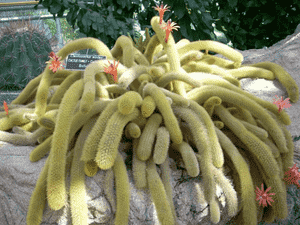
The prime period for relocating golden rat tail generally spans from the warmer part of late summer into early autumn, allowing roots to settle prior to colder temperatures. Select a bright area with effective drainage for best development. Gradually introduce golden rat tail to its new environment to minimize stress.
What Preparations are Needed Before Transplanting Golden Rat Tail?
What is the Ideal Time for Transplanting Golden Rat Tail?
The best time to move your golden rat tail is from late summer into early autumn. This period offers mild weather, allowing the plant to establish its root system in moderate, consistent temperatures. Transplanting during this transition maximizes growth potential and ensures strong establishment before winter. Choosing this timeframe gives your golden rat tail the best chance to flourish, supported by the season's gentle conditions and decreasing heat.
How Much Space Should You Leave Between Golden Rat Tail Plants?
To ensure golden rat tail has sufficient room to develop, position plants approximately 2-3 feet (60-90cm) apart. This spacing provides ample room for roots to spread and helps maintain the plant's health.
What is the Best Soil Mix for Golden Rat Tail Transplanting?
Prepare the planting area! Golden rat tail thrives in well-draining soil. An excellent choice would be a sandy or loamy mix, enriched with organic material. Incorporate a gentle, slow-release fertilizer for added nourishment.
Where Should You Relocate Your Golden Rat Tail?
Golden rat tail requires abundant sunlight, so select a spot that receives plenty of daylight. However, protect your plant by avoiding areas with intense, direct afternoon sun to prevent scorching.
What Equipments Should You Prepare Before Transplantation Golden Rat Tail?
Gardening Gloves
Essential for safeguarding your hands when handling soil and moving the golden rat tail.
Garden Trowel
This smaller implement is ideal for digging minor holes and shifting soil during the transplanting process.
Pruning Shears
You might need these to remove any dead or unhealthy parts of the golden rat tail prior to transplanting.
Hand Fork
A useful tool for loosening the soil around the golden rat tail plant in its original location.
Shovel
To assist with excavating a suitably-sized new planting hole.
Watering Can
Needed for hydrating the golden rat tail plant after it has been transplanted.
Mulch
Used to promote moisture retention in the soil following transplantation.
How Do You Remove Golden Rat Tail from the Soil?
How Do You Remove Golden Rat Tail from the Soil?
From Ground: If the golden rat tail plant is in the ground, first moisten the surrounding soil by watering it lightly. Then, using a hand fork, gently loosen the earth around the plant, being careful not to damage the roots. A garden spade or shovel can be used to slowly and carefully lift the plant, ensuring the root ball remains intact. From Pot: When the golden rat tail plant is in a pot, water it thoroughly, then tip the pot sideways, holding the plant at its base and gently pulling. With patience, the entire plant, along with its root ball, should slide out. Avoid pulling by the stem or top of the plant. From Seedling Tray: Carefully water the golden rat tail seedlings in their tray. Once moist, use a small tool, such as a spoon, to gently scoop out each seedling, making sure to keep most of the root system and surrounding soil undisturbed.
Step-by-Step Guide for Transplanting Golden Rat Tail
Volume Check
Assess the size of the root ball and prepare a hole in your garden that is as deep as the root ball but twice as wide.
Placement
Gently position the golden rat tail into the hole. Ensure it stands upright and the top of the root ball is level with the surrounding soil.
Backfill
Carefully refill the hole with the original soil. Do not compact it firmly, as this can restrict root growth. Do it gently.
Watering
Thoroughly water the golden rat tail. The water will help settle the remaining soil around the roots, eliminating any air pockets.
Mulching
Apply a layer of mulch around the base of your golden rat tail. This aids in retaining moisture and suppressing weed growth.
How Do You Care For Golden Rat Tail After Transplanting?
Watering
For the initial weeks post-transplant, consistently keep the soil around the golden rat tail moist (but not saturated) to encourage strong root development.
Pruning
Trim back any unnecessary growth or dead sections on the golden rat tail. This will allow the plant to focus its energy on developing new roots.
Protection
If heavy rain or intense sun is predicted, consider providing temporary cover for your newly transplanted golden rat tail.
Troubleshooting Common Issues with Golden Rat Tail Transplantation.
When is the perfect time to transplant my golden rat tail plant?
The ideal season is between seasons 4 to 7, as this promotes the best growth for your golden rat tail.
What distance should I maintain when planting multiple golden rat tail plants?
Ensure a generous spacing of 2-3 feet (60-90 cm); this provides ample room for healthy and unrestricted growth.
How should I prepare the soil for golden rat tail transplantation?
The soil should be rich, well-drained, and porous. Incorporate some organic matter or compost to boost its nutrient content.
Should I water my golden rat tail immediately after transplanting?
Yes, gently water your golden rat tail after transplanting. This helps the roots settle properly and absorb essential nutrients.
Is it necessary to prune my golden rat tail during the transplantation process?
Pruning is beneficial before transplanting. Remove unhealthy or dead parts; this allows your plant to focus on new growth.
How should I handle golden rat tail roots during transplanting?
Handle the roots with care to minimize damage. Ensure they are spread out nicely in the new pot or ground.
What size of pot should I use for golden rat tail transplantation?
Choose a pot approximately twice the size of the root ball. It should have a minimum diameter of 10 inches (25 cm).
Is there any special aftercare required for a transplanted golden rat tail?
Ensure your golden rat tail receives ample sunlight and water, but avoid overwatering. Monitor the plant closely for signs of stress or disease.
What do I do if my golden rat tail shows signs of wilting post-transplant?
Wilting can indicate transplant shock. Keep your plant well-watered, maintain a consistent sunlight schedule, and prevent drastic temperature changes.
Will fertilizing help my golden rat tail recover post-transplantation?
Yes, a light application of a balanced, slow-release fertilizer can provide golden rat tail with the necessary boost for new growth after transplantation.



