How to Transplant Wampi?
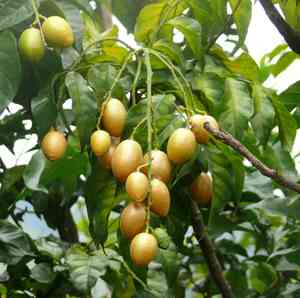
The most favorable period for transplanting wampi is during the early stages of spring, which facilitates robust root development. Choose a location that receives ample sunlight and drains effectively, then gradually introduce wampi to its new environment to avoid stress, guaranteeing a smooth integration into its new spot.
Preparations Required Before Relocating Wampi
Optimal Period for Relocating Wampi
The best time for moving wampi is during the early to mid-spring, when new growth begins. This period offers mild temperatures and stable conditions, promoting strong root development. Transplanting at this time gives wampi a solid foundation before the summer heat. A successful spring transplant ensures vigorous growth for future seasons!
Recommended Spacing Between Wampi Plants
When planting wampi, ensure adequate room for growth. An ideal spacing of approximately 5-6 feet (1.5-1.8 meters) between plants allows roots to spread and the plant to develop fully.
Best Soil Mixture for Wampi Relocation
Select a soil that drains well for wampi, as it thrives in loamy or sandy types. Prior to planting, enrich the soil with an organic, nitrogen-rich base fertilizer. Thoroughly mix it into the soil to provide a healthy start for the plant.
Optimal Location for Your Wampi
Choosing the right spot is crucial for wampi. Select a garden area that receives full to partial sunlight. Excessive shade can hinder growth, though the plant can tolerate some shade during the hottest part of the day. Best of luck with your gardening endeavors!
Equipment Needed Before Transplanting Wampi
Hand Trowel
This small tool helps you carefully dig around the wampi plant without harming its roots.
Gardening Gloves
To safeguard your hands while handling soil and plants.
Shovel or Spade
These are necessary for excavating the appropriately sized hole for your wampi plant.
Watering Can
Essential for supplying the plant with much-needed hydration during the transplanting process.
Gardening Shears or Pruners
Useful for trimming any damaged roots or branches.
Wheelbarrow
Helpful for transporting the wampi plant if it's too heavy to carry or lift.
How to Extract Wampi from the Soil
How to Extract Wampi from the Soil?
From Ground: Hydrate the wampi plant to moisten the soil. Then, using a shovel or spade, dig a wide trench around the plant, ensuring the root ball remains intact. Carefully work the spade beneath the root ball to lift the plant from its original spot.From Pot: Start by thoroughly watering the wampi plant. Tilt the pot sideways and gently tap it to help loosen the soil and root ball. Grasp the base of the plant and carefully slide it out of the pot. Be careful not to pull the plant forcefully, as this can damage the roots.From Seedling Tray: Water the wampi seedlings before transplanting. Using a trowel, gently scoop out each seedling, retaining as much soil with the roots as possible. Handle the seedlings carefully by their leaves to protect their delicate stems.
Step-by-Step Guide for Relocating Wampi
Preparation
Locate a suitable new spot in the garden. Dig a hole that is twice as wide and slightly less deep than the wampi plant's root ball.
Plant Preparation
Before transplanting, inspect the wampi plant for any damaged sections and prune them. This encourages healthier growth after relocation.
Transplanting
Place the wampi plant into the hole. Position it so that the top of its root system is level with or slightly above the surrounding soil. Backfill the planting hole with the excavated soil, gently firming it around the roots.
Watering
After you've transplanted the wampi plant, water it thoroughly to help settle the soil around the roots.
Post-Transplant Care for Wampi
Consistent Watering
Maintain regular watering. The frequency will depend on your local climate and weather conditions, but it's crucial to ensure the wampi plant never completely dries out.
Pruning
Remove any dead leaves to encourage new growth and promote a healthy plant.
Wind Protection
Shield your wampi plant from extremely strong winds, especially during the first week after transplanting, as this can cause wilting or root damage.
Pest Inspection
Remain vigilant for any signs of pest infestations. Early detection allows for easy mitigation without significant harm to your plant.
Resolving Common Wampi Transplantation Issues
When is the optimal time to transplant wampi?
The most favorable period for transplanting wampi falls between season 1 and season 2. This timeframe allows the plant to adapt better to its new environment.
What spacing should I maintain between wampi during transplantation?
To ensure optimal development, provide ample space between plants. Ideally, a gap of 5-6 feet (approximately 1.5-1.8 meters) should be sufficient.
What should be the dimensions of the hole for transplanting wampi?
The hole should be deep and wide enough to comfortably accommodate the wampi's rootball. Typically, twice the size of the rootball is adequate.
How can I acclimate wampi before transplantation?
Reduce the frequency of watering a few days before transplantation. This will enhance stress tolerance and prepare the plant for the move.
How should I handle the wampi root ball during transplantation?
Handle the root ball with care to keep it intact throughout the process. Avoid unnecessary disturbance to the roots to prevent stress and damage to the plant.
How often should I water wampi after transplanting?
During the first week post-transplantation, water wampi daily. Afterward, you can reduce watering to once every 2-3 days, depending on prevailing weather conditions.
Should I fertilize wampi immediately after transplanting?
Avoid immediate fertilization after transplanting as it may cause root burn. Wait a couple of weeks until wampi has settled into its new surroundings.
What if wampi leaves start wilting after transplant?
Wilting often indicates transplant stress. Ensure adequate watering. If it persists, consider briefly shading the plant or adding root stimulator supplements.
What is the ideal soil type for wampi transplantation?
Wampi thrives in well-draining soil. A sandy, loamy mixture is perfect. If the soil is heavy clay, amend it with organic matter to improve its structure and nutrient content.
How do I know if my transplanted wampi is healthy and growing well?
Signs of a healthy wampi include new sprouts and leaves emerging from the plant. Any wilting, browning, or dropping leaves could signal a problem.



