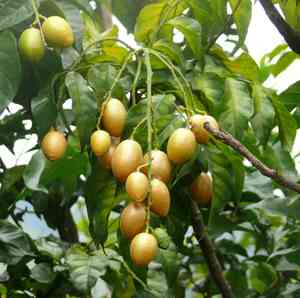
Wampi (Clausena lansium)
Also known as: Wampee, Wampi
The wampi tree, an evergreen known for its aromatic, grape-sized yellow fruit, originates from Southeast Asia. However, it is now grown in various regions globally, such as Australia, India, and certain areas of the United States. The term "wampi" is derived from the Chinese words "huang pi," translating to "yellow-skinned fruit."
In This Article
Attributes of Wampi
Lifespan
Perennial
Plant Type
Tree
Plant Height
3 m to 6 m
Spread
30 cm to 60 cm
Leaf Color
Green
Flower Size
2.5 cm
Flower Color
White Yellow Green Purple
Images of Wampi
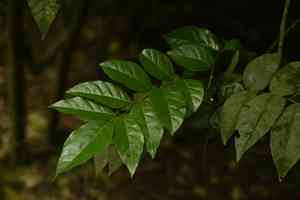
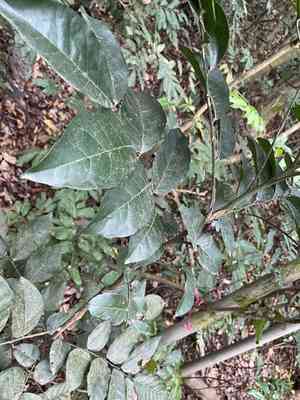
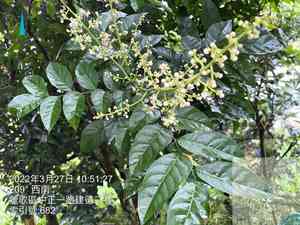
Quickly Identify Wampi
1
Clausena lansium can be identified by its compound leaves with glossy, dark green leaflets, small fragrant flowers, and clusters of small, round fruits that turn yellow or brownish when ripe.
Scientific Classification of Wampi
Phylum
Vascular plants
Class
Dicotyledons
Order
Maples, mangos, mahogany, citrus, and allies
Family
Rue
Genus
Clausena
Species
Wampi
Planting and Growing of Wampi
Care Difficulty
Moderate
Watering Schedule
Every 4 days
Sunlight Requirements
Full sun
Sunshine Duration
4-6 hours
Ideal Temperature
68-77℉
Soil Type
Potting Mix, Peat Mix
Soil pH
5.5-7.5
Fertilizer Type
Balanced
Pruning Season
Spring, Summer
Pruning Area
Branches, Leaves
Pruning Frequency
2 times a year
Repotting Season
Spring
Pot Type
Plastic, Ceramic
 How to Water Wampi?
For Clausena lansium, it is essential to provide around 500ml of water per session. The water quantity should ensure the soil is moist but not waterlogged. The goal is to achieve a balance where the soil remains damp approximately 1-2 inches below the surface. This ensures the roots get adequate hydration without suffocating them.
What are the symptoms of an underwatered Wampi?
›
What should I do if my Wampi is not getting enough water?
›
What are the symptoms of an overwatered Wampi?
›
How to save an overwatered Wampi?
›
 What Are the Sunlight Requirements for Wampi?
Partial to full sun ensures Clausena lansium can photosynthesize efficiently and grow robustly. Adequate sunlight enhances fruit set and overall vigor, maximizing the plant's production potential.
More About Sunlight Requirements Techniques→
Optimal Sun Exposure
›
Preventing Sunburn
›
Enhancing Fruit Production
›
 What Is the Ideal Temperature Range for Wampi?
Clausena lansium thrives best in warm conditions ideally between 68°F and 77°F. This range provides the optimal balance of warmth necessary for strong growth and fruit production. Temperatures within this range allow the plant to efficiently perform photosynthesis and maintain steady metabolic processes.
 What Soil is Best for Wampi?
Clausena lansium thrives in well-draining soils which prevent waterlogging. This helps in averting root rot and ensures that nutrients are efficiently absorbed by the plant, promoting healthy growth. The plant benefits from soil rich in organic matter. The presence of organic material enhances soil fertility and structure, which provides essential nutrients and supports robust plant health. Sufficient moisture without waterlogging is crucial for Clausena lansium. This balance ensures that the plant remains hydrated but not overly saturated, fostering optimal growth conditions.
 How to Fertilize Wampi?
Clausena lansium generally requires moderate amounts of fertilizer for optimal growth. Use balanced fertilizers with equal parts of N-P-K elements. For liquid fertilizers, a concentration of 1 teaspoon per gallon of water is typically sufficient. Apply liquid fertilizers bi-weekly during the growing season, ensuring the soil is moist before application to prevent root burn.
 How to Prune Wampi?
Begin by removing any dead or diseased branches with clean, sharp shears. Aim to create an open canopy to increase light penetration and air flow. Cut branches at a 45-degree angle to prevent water accumulation, which could lead to rot. When shaping Clausena lansium, prioritize maintaining an open vase shape. This structure promotes even light distribution, crucial for consistent fruiting. Regular shaping will also enhance the plant's decorative appeal in the garden. Thinning involves removing some branches entirely, especially those that are crossing or rubbing against each other. This reduces congestion within the foliage, promoting healthier growth and minimizing the risk of disease. For older plants that may have become leggy or sparse, consider rejuvenation pruning. Cut back one-third of the oldest branches to ground level to stimulate vigorous new growth from the base.
More About Pruning Techniques→
 How to Propagate Wampi plant?
1
The first step in propagating Clausena lansium is to prepare a suitable soil or medium. Use a well-draining potting mix that retains some moisture; a mix with perlite or river sand is often recommended to enhance drainage.
2
Select healthy, disease-free branches to take cuttings. Use sterilized pruning shears to make a clean cut at an angle. The cuttings should ideally be 4 to 6 inches long and should include a few leaves at the top.
3
Dip the cut end of the cuttings into rooting hormone before planting them into the prepared medium. Space the cuttings adequately to allow air circulation and plant them deep enough to support themselves upright in the soil.
 How to Repot Wampi plant?
1
Clausena lansium needs repotting when you see roots emerging from drainage holes, the plant looks top-heavy or water takes a long time to drain. The best time to tackle this task is in spring or summer, when the plant is in its active growth phase, recovering quickly and establishing roots well in its new environment.
2
Select a pot that is 2-3 inches larger in diameter than the current one. Choose one with sufficient drainage holes to prevent root rot. A slightly larger pot offers the roots ample space to spread, enhancing growth without drowning the plant in excessive soil moisture.
3
Opt for a loamy, well-draining soil mix rich in organic matter. Such soil facilitates the necessary aeration and water retention while ensuring nutrients are readily available, preventing the common pitfalls of root suffocation or nutrient deficiency.
Learn More About Wampi Diseases
Anthracnose
Bacterial Leaf Spot
Bacterial Soft Rot
Crown Gall
Cyst Nematode
Damping-off
Downy Mildew
Drought Stress
Fusarium Wilt
Gray Mold
Leaf Curl
Leaf Spot
Mosaic
Nutrient Deficiency
Nutrient Toxicity
Powdery Mildew
Root Rot
Root-knot Nematode
Rusts
Sooty Mold
Spider Mites
Temperature Stress
Thrips Damage
White Mold
Chemical Injury



