How to Transplant Sorrelvine?
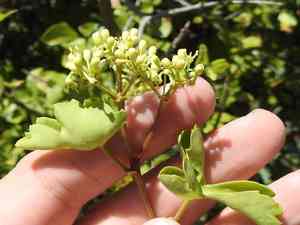
The most favorable period for relocating sorrelvine is mid-spring, capitalizing on vigorous development. Select a shaded spot with adequately draining earth to facilitate rooting. Careful management of the root system aids in a successful transfer.
What Preparations are Needed Before Transplanting Sorrelvine?
What is the Ideal Time for Transplanting Sorrelvine?
The perfect time for moving sorrelvine is mid-spring, as the mild temperatures and increasing daylight aid root establishment. Introducing sorrelvine to its new spot during this period of renewal promotes strong growth and prepares it for a successful season. Transplanting then takes advantage of spring's moderate moisture, giving sorrelvine the optimal balance to thrive after the move.
How Much Space Should You Leave Between Sorrelvine Plants?
Begin by planning your garden layout, ensuring each sorrelvine has ample room to thrive. Aim for a separation of approximately 4-6 feet (1.2-1.8 meters) between them. This allows for comfortable growth without overcrowding.
What is the Best Soil Mix for Sorrelvine Transplanting?
Fertile, well-draining soil is optimal for sorrelvine. Before planting, enrich the soil with a balanced base fertilizer to supply essential nutrients. You can find a suitable product at your local garden center.
Where Should You Relocate Your Sorrelvine?
Choose a spot where sorrelvine can receive full to partial sun exposure daily. Outdoor areas with 6-8 hours of sunlight are ideal. However, it tolerates shade quite well too!
What Equipments Should You Prepare Before Transplantation Sorrelvine?
Gardening Gloves
To safeguard your hands when handling soil and sorrelvine.
Shovel or Spade
Needed to excavate sorrelvine from its original spot and create a new hole at the transplant site.
Watering Can
Helps to moisten the soil before and after the transplanting process.
Garden Trowel
Useful when transferring sorrelvine from smaller containers or seedling trays.
Pruning Shears
May be necessary to trim any damaged roots or foliage.
General Purpose Fertilizer
Aids in providing nutrients to sorrelvine after its relocation.
How Do You Remove Sorrelvine from the Soil?
How Do You Remove Sorrelvine from the Soil?
From Ground: To minimize stress on sorrelvine, ensure the soil is moist before removal. Use a shovel to dig a circle around the plant, being very careful with the root ball. Work beneath the root ball to lift the plant without harming the roots.From Pot: The best time to transplant sorrelvine from a pot is when the soil is somewhat dry. Turn the pot sideways and gently tap it to loosen the plant. If needed, use a garden trowel to carefully lift the plant from the pot, holding it by its root ball.From Seedling Tray: Water the soil in the tray to facilitate a smoother removal process. With a spoon or small trowel, scoop out the sorrelvine seedling, making sure to include as many roots as possible.
Step-by-Step Guide for Transplanting Sorrelvine
Preparation
Start by watering the sorrelvine plant in its current location. This aids in easier extraction and reduces stress on the plant.
Dig the New Hole
The new site should already have a hole dug, approximately twice the size of the sorrelvine's root ball.
Set sorrelvine In Place
Gently position the sorrelvine plant into the newly prepared hole. The top of the root ball should be level with the surrounding ground.
Backfill Hole
Refill the hole with the excavated soil, gently firming the soil around the plant as you proceed.
Initial Watering
After transplanting, thoroughly water the planting area, ensuring the moisture reaches the root ball.
Feed the Plant
One week after transplanting, provide sorrelvine with a general purpose fertilizer to give it a nutritional boost.
How Do You Care For Sorrelvine After Transplanting?
Watering Schedule
Following the transplant, sorrelvine should be watered thoroughly, then regularly thereafter to prevent the soil from drying out. However, avoid waterlogging the soil, as this can lead to root rot.
Pruning
Once relocated, sorrelvine may need a light trim to remove any damaged or dead leaves or stems. This can encourage new growth and help the plant focus its energy on developing a strong root system.
Checking For Pest or Diseases
Regularly inspect sorrelvine for signs of pest infestation or disease, as these can quickly affect a plant that is potentially stressed from transplantation.
Fertilizing
Approximately one week after the transplant, apply a general purpose fertilizer to help support the growth and recovery of sorrelvine.
Troubleshooting Common Issues with Sorrelvine Transplantation.
When is the best time of the year to transplant sorrelvine?
The ideal period to transplant sorrelvine is from late spring to mid-summer (S2-S3). This allows the plant to establish itself before colder weather arrives.
What is the appropriate distance to space sorrelvine during transplantation?
Each sorrelvine should be spaced about 4-6 feet (1.2-1.8 meters) apart. This provides the plants with sufficient room to spread and grow healthily.
Why are the leaves of my Transplanted sorrelvine turning yellow?
Yellowing leaves can indicate overwatering or inadequate drainage. Ensure the soil is well-drained and do not water your sorrelvine excessively.
Why isnât my newly transplanted sorrelvine growing?
Transplant shock might be affecting it. Ensure the roots have enough space and water it gently. The plant will require some time to adjust.
Do I need to prune sorrelvine before transplanting?
Yes, you should lightly prune sorrelvine before transplanting. Remove 1/3 to 1/2 of the plant to reduce transplant shock and promote root development.
How deeply should I plant a transplanted sorrelvine?
Sorrelvine should be planted at the same depth it was in its previous location to prevent stem rot.
What sort of soil suits sorrelvine best for transplanting?
Sorrelvine thrives in well-draining soil. It prefers sandy or loamy soil with a neutral pH. Ensure the soil is fertile and well-aerated.
What should I do if my transplanted sorrelvine starts drooping?
Drooping typically indicates insufficient watering. Ensure your sorrelvine is properly hydrated after moving, especially during the initial two weeks.
How often should I water my transplanted sorrelvine?
Water your sorrelvine thoroughly after transplanting, then water moderately when the soil surface feels dry. Avoid overwatering to prevent root rot.
Can I use fertilizer immediately after transplanting sorrelvine?
Refrain from using fertilizer right after transplanting. Allow sorrelvine to acclimate to its new environment for a few weeks before considering supplemental feeding.



