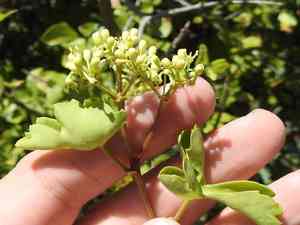
Sorrelvine(Cissus trifoliata)

Sorrelvine (Cissus trifoliata)

Also known as: Cow-itch vine, Marine vine, Cow itch vine, Arizona grape ivy

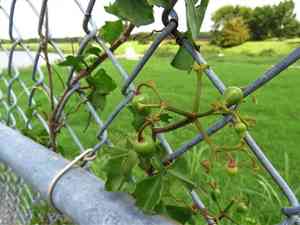
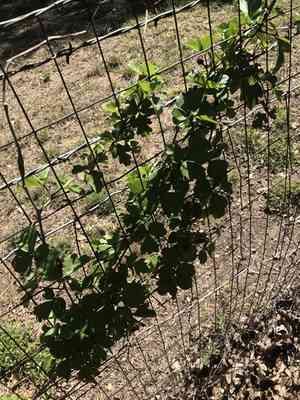
Cissus trifoliata, commonly referred to as Marine Ivy or Sorrelvine, is a fast-growing vine that thrives by climbing over rocks and trees across various environments.

**Characteristics:**
- **Growth Habit:** Vigorous climber with tendrils.
- **Leaves:** Comprised of three distinct leaflets.
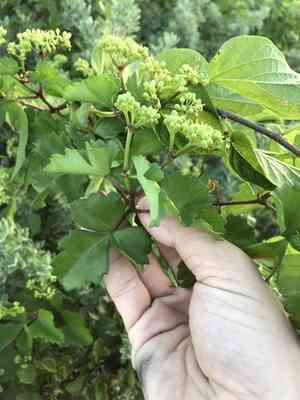
- **Flowers:** Produces small, greenish flowers.
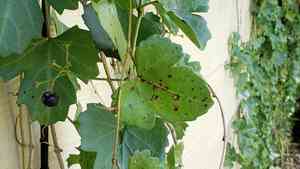
- **Fruit:** Develops into small, dark purple or black berries by fall.

**Potential Hazards:**
- **Toxic Roots:** The roots harbor toxic compounds that can cause poisoning if ingested.
- **Skin Irritation:** The sap may lead to dermatitis in sensitive individuals.
- **Invasiveness:** Has the potential to overtake native plants in some regions, making it invasive.

Use caution when handling or planting Cissus trifoliata, and adhere to local regulations and guidelines.

Attributes of Sorrelvine

Lifespan
Perennial
Plant Type
Vine, Herb
Plant Height
4.5 m
Spread
3 m
Leaf Color
Green
Flower Size
2.5 cm
Flower Color
Yellow Green

ForwardPlant - Identify plants with a snap

Identify and diagnose plants, get toxicity alerts, and explore safety guides for all types of fungi.

Try for Free

Images of Sorrelvine

Sorrelvine(Cissus trifoliata)

Quickly Identify Sorrelvine

1
This plant can be identified by its trifoliate leaves, which means each leaf is divided into three leaflets. Additionally, it has a vining habit and produces small, inconspicuous flowers followed by dark berries.

Scientific Classification of Sorrelvine

Phylum
Vascular plants
Class
Dicotyledons
Order
Vitales
Family
Grape
Genus
Treebine
Species
Sorrelvine

Planting and Growing of Sorrelvine

Care Difficulty
Easy
Watering Schedule
Every 2 days
Sunlight Requirements
Full sun
Sunshine Duration
4-8 hours
Ideal Temperature
68-77℉
Soil Type
Potting Mix, Peat Mix
Soil pH
6.5-7.5
Fertilizer Type
Balanced
Pruning Season
Spring, Summer
Pruning Area
Branches, Leaves
Pruning Frequency
2 times a year
Repotting Season
Spring
Pot Type
Plastic, Ceramic

water icon How to Water Sorrelvine?

Cissus trifoliata, also known as the three-leaved cissus, prefers a moderate watering regime. Ensure the top inch of soil is dry before watering, as it enjoys a well-drained environment. Check the soil depth with your finger to confirm dryness before watering.
What are the symptoms of an underwatered Sorrelvine?
What should I do if my Sorrelvine is not getting enough water?
What are the symptoms of an overwatered Sorrelvine?
How to save an overwatered Sorrelvine?

sunlight icon What Are the Sunlight Requirements for Sorrelvine?

Sunlight Requirements: Full sun, Partial sun
Duration of light: 4 to 8 hours
Cissus trifoliata thrives best in full to partial sun, ideally receiving 4 to 8 hours of light per day. This light balance supports healthy photosynthesis, leading to robust vine growth and intense leaf coloration.
What type of sunlight is best for Cissus trifoliata?
How can I ensure my Cissus trifoliata gets optimal light?
What are the benefits of providing ideal light conditions?
More About Sunlight Requirements Techniques

temperature icon What Is the Ideal Temperature Range for Sorrelvine?

Ideal Temperature: 68 ~ 77℉
The ideal temperature range ensures optimal growth and development for Cissus trifoliata. Ideally, temperatures should remain between 68°F and 77°F, as this range promotes healthy foliage and overall plant vigor.

soil icon What Soil is Best for Sorrelvine?

Soil type: Loam, Sandy soil, Sandy loam
Soil PH: 6.5 ~ 7.5
Cissus trifoliata thrives in well-draining soil as it prevents root rot and ensures oxygen reaches the roots. Good drainage is essential for healthy growth. Incorporating moderate organic matter in the soil enhances nutrient retention and supports vigorous growth. This is crucial for robust foliage and healthy vines. A loamy or sandy loam texture allows for excellent aeration of the roots, promoting healthy respiration and reducing the risk of disease.

fertilize icon How to Fertilize Sorrelvine?

Fertilizer type: Balanced
For Cissus trifoliata, it's important to provide balanced nutrition without overwhelming the plant. During the growing season, use a liquid fertilizer that has a balanced N-P-K ratio (such as 10-10-10), diluted to half strength, ensuring you don't burn the roots and leaves. For solid fertilizers, a granular or slow-release type can be ideal, as it allows nutrients to be released progressively to match the plant's uptake capacity. Be mindful to follow the recommended dosage on the product label to avoid any excesses.

prune icon How to Prune Sorrelvine?

Pruning Time: Spring, Summer, Autumn
Begin by examining your Cissus trifoliata for any dead or damaged leaves and stems. These can be discolored, wilted, or brittle to the touch, and removing them will prevent disease and promote new growth. If your plant is particularly bushy, selectively thin out some stems to improve air circulation and sunlight penetration. This will ensure that all parts of the plant receive adequate light and reduce the risk of fungal diseases. For aesthetic purposes, you can trim the plant to maintain a desired shape. Use sharp, clean tools to make precise cuts just above a leaf node or stem junction to encourage branching and fullness. While pruning, take the opportunity to check for signs of pests, such as discolored spots or sticky residue. Address any infestations immediately to prevent them from spreading. More About Pruning Techniques

propagate icon How to Propagate Sorrelvine plant?

Propagate Time: Spring, Early summer
1
Choose non-flowering stems from a mature Cissus trifoliata plant. Cuttings should be about 4-6 inches in length and have at least three leaves. This increases the chances of successful rooting and growth.
2
Remove the leaves from the lower third of the cutting to prevent rotting when placed in soil. Optionally, dip the cut end in root hormone to stimulate root development for faster propagation.
3
Insert the prepared cutting into a pot filled with moistened potting mix. Keep the soil consistently moist but not waterlogged, as excessive water can lead to rotting.
More About Propagating Techniques

repot icon How to Repot Sorrelvine plant?

Repotting frequency: Every 2-3 years
1
Look for signs like roots growing out of the drainage holes or the plant becoming top-heavy. These indicate that your Cissus trifoliata has outgrown its current container and is in need of more space to thrive.
2
Select a pot that is only slightly larger than the current one, with good drainage holes. A pot that is too large can retain excess moisture, which might lead to root rot, whereas a properly-sized pot helps control moisture levels effectively.
3
Choose a well-draining potting mix, preferably one designed for cacti or succulents. This type of soil ensures that water doesn't pool at the bottom, reducing the risk of root rot, while providing support and adequate nutrients to the plant.

ForwardPlant - Identify plants with a snap

Find the best spots for them to optimize their health, simply using your phone.

Try for Free

Toxicity

Ingestion

Identify toxic plants for your safety

Learn which plants are harmful to you and your pets, and make informed choices for a safer home!

Try for Free
WARNING
The judgment on toxicity and danger is for reference only. We DO NOT GUARANTEE any accuracy of such judgment. Therefore, you SHALL NOT rely on such judgment. It is IMPORTANT TO SEEK PROFESSIONAL ADVICE in advance when necessary.