How to Transplant Indian chrysanthemum?
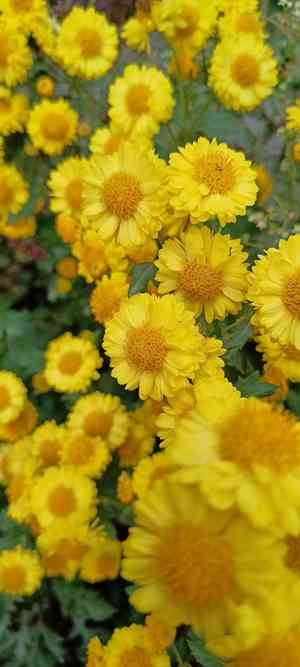
The most favorable period for relocating indian chrysanthemum is after the last frost, ideally throughout the invigorating phase of early to mid-spring. Select a bright spot featuring soil that drains effectively to foster vigorous development. Should it be necessary, incorporate organic material to enhance the environment.
What Preparations are Needed Before Transplanting Indian Chrysanthemum?
What is the Ideal Time for Transplanting Indian Chrysanthemum?
Early spring, just after the last frost, presents an excellent opportunity to relocate indian chrysanthemum. During this period, cooler temperatures and moderate sunlight create optimal conditions for root development, giving indian chrysanthemum the best start in its new spot. Moving indian chrysanthemum at this time ensures the plant has sufficient time to establish a robust root system before summer's heat. It also allows indian chrysanthemum to benefit from the spring growth surge, leading to healthier and more vibrant blooms later.
How Much Space Should You Leave Between Indian Chrysanthemum Plants?
Position your indian chrysanthemum seedlings approximately 1-2 feet (30-60 cm) apart. This provides each plant with adequate room to grow and flourish without competing for nutrients with neighboring plants.
What is the Best Soil Mix for Indian Chrysanthemum Transplanting?
The perfect soil for indian chrysanthemum is well-draining and rich in organic matter. Prior to planting, incorporate compost or manure into the soil as a foundational fertilizer. This will nourish your indian chrysanthemum and promote its vigorous growth.
Where Should You Relocate Your Indian Chrysanthemum?
Indian chrysanthemum thrives in sunlight and prefers a location receiving full sun to partial shade. A garden spot facing south or west would be ideal. Always ensure to shield your indian chrysanthemum from intense afternoon sun.
What Equipments Should You Prepare Before Transplantation Indian Chrysanthemum?
Gardening gloves
To safeguard your hands from harm while handling soil and the indian chrysanthemum plant.
Trowel
This implement will assist in digging and extracting the indian chrysanthemum from its original position.
Shovel
A larger tool that can be useful for excavating the new planting site.
Watering can/Hose
Will be necessary to hydrate the plant immediately after its relocation.
Quality Compost
To place at the base of the new hole to supply nutrients for the indian chrysanthemum plant.
Wheelbarrow
To transport the plant if moving a larger specimen.
Gardening pruners
To trim any damaged roots or foliage.
How Do You Remove Indian Chrysanthemum from the Soil?
How Do You Remove Indian Chrysanthemum from the Soil?
From Ground: Start by moistening the soil around the indian chrysanthemum plant. Use a shovel or trowel to dig a wide circle around the plant, being careful not to cut into the root ball. Gently work the trowel or shovel beneath the root ball and carefully lift the plant from the ground.From Pot: Begin by watering the indian chrysanthemum plant in its pot to dampen the soil. Carefully tilt the pot sideways. Support the plant with your hand and use a trowel to tap the pot's edges to loosen the root ball, taking care not to harm the roots.From Seedling Tray: It's best to water thoroughly before transplanting. Gently pull the seedling by its leaves, not the stem, as it is very delicate. If they don't come out easily, use a spoon or small tool to carefully coax the roots and soil from the tray.
Step-by-Step Guide for Transplanting Indian Chrysanthemum
Preparation
Before extracting the indian chrysanthemum from its initial spot, prepare the new location. Dig a hole twice the size of your indian chrysanthemum's root ball to provide ample space for establishment. Add a layer of compost at the bottom of the hole.
Removal
Follow the instructions above to remove the indian chrysanthemum from its original location, depending on whether it's in the ground, a pot, or a seedling tray.
Plant
Position the indian chrysanthemum in the planting hole, ensuring the top of the root ball is level with the surrounding soil surface. Backfill the hole with soil, gently firming it around the base of the indian chrysanthemum.
Water
Thoroughly water the indian chrysanthemum after planting to help settle the soil and give the plant a good start in its new environment.
How Do You Care For Indian Chrysanthemum After Transplanting?
Watering
Ensure to water your indian chrysanthemum regularly after transplanting, keeping the soil consistently moist but being careful not to overwater.
Pruning
Inspect your indian chrysanthemum for any dead or damaged leaves and trim as needed. This will help your plant direct its energy towards healthier growth.
Protection
If you've moved your indian chrysanthemum outdoors, remember the weather! Consider using a cloche or plant cover if frosts are anticipated.
Mulching
After a week post-transplantation, applying a layer of mulch can help retain moisture and suppress weed growth.
Check-up
Monitor your indian chrysanthemum; if it starts to wilt or turn brown, it might require more water, a different location, or protection from pests and diseases.
Troubleshooting Common Issues with Indian Chrysanthemum Transplantation.
What's the best time to transplant indian chrysanthemum?
The optimal period for relocating indian chrysanthemum is during seasons S1-S2, which offer ideal climatic conditions for growth.
How far should I space my indian chrysanthemum plants when transplanting?
When moving indian chrysanthemum, aim for a spacing of 1-2 feet (30.5-61 cm). This ensures sufficient growing room for each plant.
What's the ideal soil type for transplanting indian chrysanthemum?
Relocate indian chrysanthemum into loamy soil with good drainage. The plant thrives in fertile and well-drained soil conditions.
Do I need special tools for transplanting indian chrysanthemum?
Basic gardening implements - a spade, gardening gloves, and a watering can, are adequate for moving indian chrysanthemum.
What care should be taken post-transplanting of indian chrysanthemum?
Water indian chrysanthemum regularly after transplanting. However, avoid overwatering and ensure ample sunlight for growth.
How deep do I need to dig when transplanting indian chrysanthemum?
When relocating indian chrysanthemum, ensure to dig a hole that is twice as wide but only as deep as the root ball.
How should I prepare indian chrysanthemum for transplanting?
Before moving, water indian chrysanthemum thoroughly. This helps minimize stress and facilitates removal from its initial pot.
What position should indian chrysanthemum have in the garden when transplanting?
Indian chrysanthemum prefers a sunny or partially shaded spot in the garden. Avoid overly shaded areas for healthy development.
How to ensure successful transplanting of indian chrysanthemum?
Ensure you relocate indian chrysanthemum during the ideal seasons, provide correct spacing, and care for the plant after moving.
How often should indian chrysanthemum be watered after transplanting?
Water indian chrysanthemum thoroughly after transplanting and maintain consistent watering, especially during the initial few weeks.



