Indian chrysanthemum(Chrysanthemum indicum)

Indian chrysanthemum (Chrysanthemum indicum)

Also known as: Japanese chrysanthemum

Indian chrysanthemum (Chrysanthemum indicum) is a flowering plant known for its vibrant blooms from summer to fall. For optimal growth, it should be planted outdoors in a location that receives ample sunlight. The soil should be kept consistently moist but well-drained to prevent waterlogging. Additionally, the leaves of this plant can be brewed into a fragrant tea, adding to its versatility.

Attributes of Indian chrysanthemum

Lifespan
Perennial, Annual
Plant Type
Herb
Plant Height
25 cm to 1 m
Spread
60 cm
Leaf Color
Green
Flower Size
1.5 cm to 2.5 cm
Flower Color
Yellow Orange

ForwardPlant - Identify plants with a snap

Identify and diagnose plants, get toxicity alerts, and explore safety guides for all types of fungi.

Try for Free

Images of Indian chrysanthemum

Indian chrysanthemum(Chrysanthemum indicum)

Quickly Identify Indian chrysanthemum

1
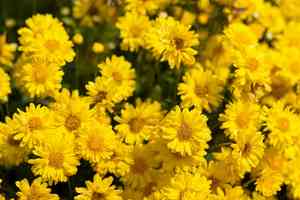
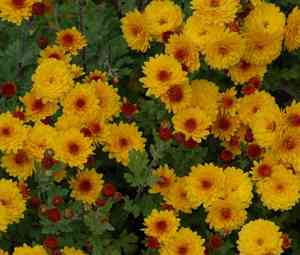
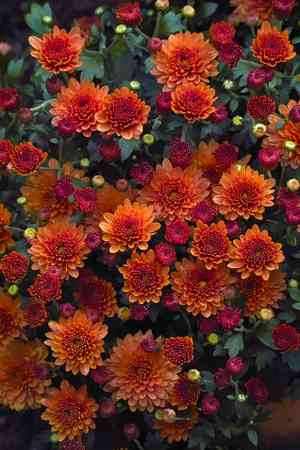
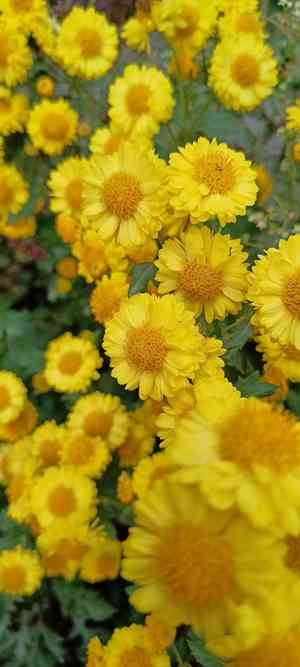
To identify Chrysanthemum indicum, look for medium-sized, herbaceous plants with lobed, alternating leaves. The flowers are daisy-like with yellow centers and petal colors ranging from white to yellow.

Scientific Classification of Indian chrysanthemum

Phylum
Vascular plants
Class
Dicotyledons
Order
Asters bellflowers fanflowers and allies
Family
Daisy
Genus
Mums
Species
Indian chrysanthemum

Planting and Growing of Indian chrysanthemum

Care Difficulty
Easy
Watering Schedule
Every 4 days
Sunlight Requirements
Full sun
Sunshine Duration
4-6 hours
Ideal Temperature
60-75℉
Soil Type
Potting Mix, Peat Mix
Soil pH
6-7.5
Fertilizer Type
Balanced
Pruning Season
Spring, Summer
Pruning Area
Branches, Leaves
Pruning Frequency
2 times a year
Repotting Season
Spring
Pot Type
Plastic, Ceramic

water icon How to Water Indian chrysanthemum?

Chrysanthemum indicum benefits from moderate watering. Ensure the soil is moist but not waterlogged. A good practice is to check the top inch of soil; if it's dry, it's time to water. Provide about 250ml at a time to ensure even moisture distribution without oversaturation.
What are the symptoms of an underwatered Indian chrysanthemum?
What should I do if my Indian chrysanthemum is not getting enough water?
What are the symptoms of an overwatered Indian chrysanthemum?
How to save an overwatered Indian chrysanthemum?

sunlight icon What Are the Sunlight Requirements for Indian chrysanthemum?

Sunlight Requirements: Full sun, Partial sun
Duration of light: 4 to 6 hours
Chrysanthemum indicum thrives in partial to full sunlight conditions. Ideal lighting not only boosts growth but also enhances flower blossom quality and quantity.
What is the ideal lighting condition for Chrysanthemum indicum?
How can I achieve ideal lighting for Chrysanthemum indicum?
What are the benefits of ideal lighting for Chrysanthemum indicum?
More About Sunlight Requirements Techniques

temperature icon What Is the Ideal Temperature Range for Indian chrysanthemum?

Ideal Temperature: 60 ~ 75℉
For optimal growth, Chrysanthemum indicum thrives best in a consistent temperature range of 60-75°F. This temperature range promotes strong, healthy growth and encourages the development of vibrant blooms, making it crucial for achieving the best ornamental qualities.

soil icon What Soil is Best for Indian chrysanthemum?

Soil type: Loam, Sandy loam, Sand soil
Soil PH: 6 ~ 7.5
Why is well-drained soil important for Chrysanthemum indicum? Well-drained soil ensures that water does not accumulate around the roots, which can lead to root rot. This condition is crucial because it allows for better root aeration and reduces the risk of fungal infections, promoting healthier growth of the plant. What level of soil fertility is ideal for Chrysanthemum indicum? Moderately fertile soil is ideal as it provides sufficient nutrients without overwhelming the plant. It supports balanced growth and vibrant flowering without causing leafy excess at the expense of blooms. How important is moisture retention for Chrysanthemum indicum? Soil that holds moisture well yet drains efficiently helps maintain consistent hydration levels, reducing stress and promoting lush growth and prolonging flowering periods.

fertilize icon How to Fertilize Indian chrysanthemum?

Fertilizer type: Balanced
Chrysanthemum indicum, known for its vivid blooms, requires balanced fertilization. Use half the recommended dose on the package when applying liquid fertilizers to avoid over-fertilization. Generally, 1 tablespoon per gallon of water is a good guideline during the active growing season.

prune icon How to Prune Indian chrysanthemum?

Pruning Time: Spring, Summer, Autumn
Begin by removing any dead or damaged stems to encourage new growth. Trim the plant to your desired shape while maintaining overall symmetry, which helps in enhancing its aesthetic appeal. To encourage bushier growth, pinch off the tips of shoots. This process redirects the plant's energy to lateral branches, promoting fuller growth and more blooms. Regular deadheading involves removing faded or spent blossoms. This practice not only improves the overall appearance but also redirects energy towards producing new blooms. More About Pruning Techniques

propagate icon How to Propagate Indian chrysanthemum plant?

Propagate Time: Spring,Early spring,Late spring
1
Start by soaking seeds in warm water for 24 hours to help break dormancy. This initial step encourages quicker germination once they are planted in an appropriate growing medium.
2
Select healthy stems and cut 4-6 inch segments using sharp sterilized shears. Remove the lower leaves and dip the cut end in rooting hormone before planting in a sandy soil mix.
3
Carefully dig around the base of the plant and separate clumps with your hands or a sharp knife. Ensure each division has several shoots and a good root system before replanting.
More About Propagating Techniques

repot icon How to Repot Indian chrysanthemum plant?

Repotting frequency: Every 1 to 2 years
1
Chrysanthemum indicum shows signs it needs repotting when roots become dense at the container's base or when growth appears stunted. Ideally, you should look for these signals in early spring or summer to take advantage of active growth periods, which reduce transplant shock.
2
Choose a pot that's slightly larger than the current one, ideally 2-3 inches wider in diameter. This allows the roots to expand comfortably, promoting healthy growth. Ensure the pot has adequate drainage holes to prevent waterlogging, which can lead to root rot.
3
For Chrysanthemum indicum, a well-draining loamy soil enriched with organic matter is ideal. This composition retains necessary moisture but also allows excess water to drain away, preventing root rot. Additionally, nutrients from organic matter support healthy growth and vibrant blooms.
More About Repotting Techniques

ForwardPlant - Identify plants with a snap

Find the best spots for them to optimize their health, simply using your phone.

Try for Free

Toxicity of Indian chrysanthemum

Is Indian chrysanthemum toxic to cat?

The Indian chrysanthemum contains a mild level of toxicity that could present a health risk to cats if they accidentally ingest it. Cats that come into contact with or consume any portion of the Indian chrysanthemum may show general indications of physical discomfort. Given that the entire plant is considered toxic, pet owners should closely watch their feline companions to avoid unintended consumption. It is wise to respond quickly and seek veterinary assistance at the first signs of illness, as timely care at a veterinary clinic is crucial for the recovery of a poisoned cat.

Is Indian chrysanthemum toxic to dog?

The Indian chrysanthemum presents a minor toxic threat to dogs. Dogs might unintentionally ingest parts of the Indian chrysanthemum, which could lead to possible poisoning. The whole plant is considered toxic, and consumption can produce a variety of symptoms that pet owners need to be aware of. These symptoms may encompass vomiting, diarrhea, excessive salivation, or skin irritation. If a dog shows any signs of discomfort after being near Indian chrysanthemum, it is crucial to obtain prompt veterinary assistance to guarantee the optimal health outcome for the pet.

Identify toxic plants for your safety

Learn which plants are harmful to you and your pets, and make informed choices for a safer home!

Try for Free
WARNING
The judgment on toxicity and danger is for reference only. We DO NOT GUARANTEE any accuracy of such judgment. Therefore, you SHALL NOT rely on such judgment. It is IMPORTANT TO SEEK PROFESSIONAL ADVICE in advance when necessary.
More About Toxic Techniques