How to Transplant Wheeler's skeletonweed?
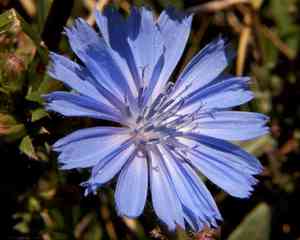
Wheeler's skeletonweed flourishes when relocated between early and mid-spring or during late autumn, as these periods facilitate superior root development. Select a sunny spot with good drainage. To achieve optimal outcomes, refrain from transplanting during the intense warmth of mid-summer.
Necessary Preparations Before Relocating Wheeler's Skeletonweed?
Optimal Period for Transplanting Wheeler's Skeletonweed?
Wheeler's skeletonweed, a Perennial, is best moved from early to mid-spring or during late autumn. These times provide ideal soil conditions and moderate temperatures, lessening plant stress. Relocating wheeler's skeletonweed then promotes strong root growth and smooth adaptation, greatly enhancing its development and overall health.
Required Spacing Between Wheeler's Skeletonweed Specimens?
For wheeler's skeletonweed, ensure each plant is spaced 18-24 inches (45-60 cm) apart. This provides ample room for growth without overcrowding adjacent plants.
Ideal Soil Blend for Wheeler's Skeletonweed Relocation?
Prepare well-draining soil enriched with compost for added nutrients. Wheeler's skeletonweed thrives in sandy or loamy soil, so ensure your garden soil is loose and aerated.
Optimal New Location for Your Wheeler's Skeletonweed?
Select a site receiving full sun, at least 6-8 hours daily. Wheeler's skeletonweed flourishes in sunlight, rewarding you with healthier growth and abundant blooms.
Equipment Needed Before Transplanting Wheeler's Skeletonweed?
Gardening Gloves
To safeguard your hands while handling soil and plants.
Shovel or Spade
For excavating around the plant and preparing the new planting site.
Trowel
Useful for smaller, more precise digging tasks.
Watering Can or Hose
To hydrate the plant both before and after its relocation.
Mulch
To aid in moisture retention and provide a stable environment for the plant's root system.
Stakes and Ties
To offer support if the plant is tall or susceptible to wind damage.
Method for Extracting Wheeler's Skeletonweed from the Soil?
Method for Extracting Wheeler's Skeletonweed from the Soil?
From Ground: First, moisten the wheeler's skeletonweed plant's soil. Then, dig a wide trench around the plant with a shovel or spade, keeping the root ball intact. Carefully work the spade beneath the root ball to lift the plant from its original spot.From Pot: Hydrate the wheeler's skeletonweed plant to ensure moist roots. Gently tap the pot's sides and bottom to loosen the soil. Carefully slide the plant out by holding its base.From Seedling Tray: Water the wheeler's skeletonweed seedling for easier removal. Use a small tool like a trowel to gently lift the seedling from the tray, ensuring the root system remains undamaged.
Step-by-Step Guide for Relocating Wheeler's Skeletonweed
Location Selection
Choose a site with adequate sunlight and space for your wheeler's skeletonweed plant to reach its mature size.
Prepare the Planting Cavity
Dig a hole twice as wide and as deep as the root ball of your wheeler's skeletonweed plant.
Soil Preparation
Loosen the soil at the base of the hole and incorporate organic matter to encourage root development.
Plant Positioning
Place the wheeler's skeletonweed plant into the hole, ensuring it sits at its previous growing level. Backfill the hole with soil, gently pressing down to remove air pockets.
Watering
Thoroughly water the plant after planting to help settle the soil around its roots.
Post-Transplantation Care for Wheeler's Skeletonweed?
Watering
Maintain consistent moisture around the wheeler's skeletonweed, avoiding saturation, for the initial weeks post-transplant to foster strong root establishment.
Mulching
Apply a layer of mulch around the base of the wheeler's skeletonweed plant to conserve moisture and regulate soil temperature.
Support
Utilize stakes or ties to provide support for the wheeler's skeletonweed plant if it is tall or prone to wind damage.
Monitoring
Regularly inspect the wheeler's skeletonweed plant for signs of stress, such as wilting or yellowing leaves, and address any issues promptly.
Resolving Common Issues with Wheeler's Skeletonweed Transplantation.
When is the optimal time to transplant wheeler's skeletonweed?
Early to mid-spring or late fall. These periods avoid temperature extremes for better root establishment.
What spacing should I maintain between wheeler's skeletonweed plants?
Space wheeler's skeletonweed plants 18-24 inches (45-60 cm) apart to ensure proper growth and air circulation.
What actions should I take if wheeler's skeletonweed appears stressed after transplanting?
Ensure sufficient watering, consider temporary shading, and refrain from fertilizing until it stabilizes.
How deep should I plant wheeler's skeletonweed in its new location?
Plant wheeler's skeletonweed at the same depth it was in its previous location to minimize stress.
Which soil type is best for transplanting wheeler's skeletonweed?
Wheeler's skeletonweed prefers well-drained soil rich in organic matter for optimal growth.
How should I prepare the soil for transplanting wheeler's skeletonweed?
Loosen the soil to a depth of 12 inches (30 cm) and incorporate compost for nutrients.
How frequently should I water wheeler's skeletonweed after transplanting?
Water thoroughly after transplanting and keep the soil consistently moist but not waterlogged for several weeks.
What measures should I take to protect wheeler's skeletonweed from pests after transplanting?
Monitor for pests like aphids and use appropriate organic controls such as neem oil if necessary.
Is it advisable to transplant wheeler's skeletonweed on a hot, sunny day?
Avoid transplanting on hot, sunny days to minimize stress; cooler, overcast days are more suitable.
Should I prune wheeler's skeletonweed when transplanting?
Lightly prune any damaged or excessively long roots, but avoid major pruning to reduce shock.



