How to Transplant Night-blooming jasmine?
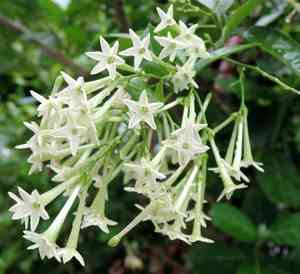
Night-blooming jasmine flourishes optimally when relocated from early to late spring, or from late autumn to early winter, allowing its root structure to stabilize prior to severe weather. Select a site with good drainage and ample sunlight, and carefully untangle the roots before moving the plant, if required.
Preparations Required Before Relocating Night-blooming Jasmine
Optimal Period for Relocating Night-blooming Jasmine
Move night-blooming jasmine between early spring and late spring, or from late autumn until the start of winter. During these times, the plant's growth is minimal, facilitating an easier move. This timing reduces transplant shock and encourages robust regrowth. Plan to shift night-blooming jasmine during these windows for a smooth transition and maximum growth potential.
Recommended Spacing Between Night-blooming Jasmine Plants
When relocating night-blooming jasmine, ensure each plant has ample room to expand by maintaining a distance of approximately 3-6 feet (0.9-1.8 meters) between them. This promotes healthy development and allows their branches to spread freely.
Ideal Soil Mixture for Night-blooming Jasmine Relocation
For moving night-blooming jasmine, it's crucial to prepare soil that drains well and is rich in organic matter, ideally with a loamy or sandy texture. Incorporating a base fertilizer with a balanced N-P-K ratio will guarantee optimal plant growth.
Choosing a New Location for Your Night-blooming Jasmine
When selecting the new spot for night-blooming jasmine, ensure the area receives full to partial sun exposure. Ideally, the plant should get at least 6 hours of direct sunlight and some protection from intense afternoon heat.
Equipment Needed Before Relocating Night-blooming Jasmine
Gardening Gloves
To protect your hands while working with soil and the night-blooming jasmine plant.
Shovel or Garden Spade
These tools are essential for excavating the plant from its original spot and preparing the new planting site.
Pruning Shears
Necessary for trimming roots, if required.
Garden Hose or Watering Can
For hydrating the plant before and after its relocation.
Wheelbarrow
Useful for moving the night-blooming jasmine plant to its new position. For smaller plants, a sturdy container will suffice.
Tarp
To place the excavated plant on, helping to keep the root-ball intact during the relocation process.
How to Extract Night-blooming Jasmine from the Soil
How to Extract Night-blooming Jasmine from the Soil?
From Ground: Start by saturating the soil around the night-blooming jasmine plant to soften the earth. Then, carefully dig around the plant's base with a shovel or garden spade, maintaining enough distance to avoid damaging the root system. Gently lift the plant, ensuring the root ball remains intact.From pot: Begin by watering the night-blooming jasmine plant. Loosen the potting mix around the edges using your hands or a small tool. Tilt the container or invert it, and gently tap to release the plant. If it's severely root-bound, you might need to cut the pot.From seedling tray: Lightly water the night-blooming jasmine plant. Carefully push it up from the bottom of its cell, avoiding pulling the plant itself. Handle the seedling by its leaves, not its stem.
Step-by-Step Guide for Relocating Night-blooming Jasmine
Handling the Plant
Be patient and gentle when removing night-blooming jasmine, as it is highly sensitive to shock. Disturbing its root structure can negatively impact the plant's health.
Preparing the New Site
Dig a hole in the ground that is twice as wide and as deep as the night-blooming jasmine plant's root ball. Partially fill the bottom of the hole with some loose soil.
Positioning the Plant
Carefully place the night-blooming jasmine plant into the hole, spreading its roots. Ensure the top of the root ball is level with the ground surface.
Finalizing the Process
Fill the hole with soil, firmly compacting it around the root ball as you proceed. Adequately water the night-blooming jasmine plant.
Post-Relocation Care for Night-blooming Jasmine
Watering
Ensure the night-blooming jasmine plant receives sufficient moisture without being overwatered. The precise frequency depends on the weather, but initially, this might be daily or every other day.
Mulching
Apply a layer of mulch around the plant's base—but not touching the stem—to retain moisture and regulate temperature fluctuations.
Monitoring
Observe your night-blooming jasmine plant for any indications of stress, such as wilting or leaf drop. Some initial wilting is normal, but prolonged wilting may necessitate intervention, like additional watering.
Pruning
Pruning should be kept to a minimum immediately after relocation, but if the night-blooming jasmine appears to be struggling, reducing its leaf surface area can lessen the demands on the compromised root system.
Addressing Common Issues with Night-blooming Jasmine Relocation
What is the best time to move night-blooming jasmine?
The optimal period for relocating night-blooming jasmine is from early spring to late spring, or from late fall until the beginning of winter.
How much space should I allocate for night-blooming jasmine after moving it?
When planting night-blooming jasmine, ensure each plant has approximately 3-6 feet (90-180 cm) of space. This provides ample room for growth.
What depth should I dig the hole for relocating night-blooming jasmine?
It's advisable to dig a hole that is twice the width and depth of the night-blooming jasmine's root system. This allows the roots sufficient space to spread and establish easily.
Why did my relocated night-blooming jasmine wilt after several days?
Wilting after relocation can be due to insufficient water or transplant shock, which occurs when night-blooming jasmine has not adapted to its new surroundings. Consistent and adequate watering will help.
How can I ensure healthy root development for my relocated night-blooming jasmine?
Water night-blooming jasmine thoroughly after relocation and keep the soil consistently moist, but not waterlogged. This promotes better root establishment and overall plant health.
What type of soil does night-blooming jasmine require after being moved?
Night-blooming jasmine thrives best in well-draining, loamy soil. Soil that is too heavy or compacted may lead to poor root development and waterlogging.
Is any special care needed immediately after relocating night-blooming jasmine?
Yes, for the initial few weeks after relocation, night-blooming jasmine will require regular watering and possibly protection from intense sunlight, ensuring a smooth adjustment.
Why isn't my relocated night-blooming jasmine blooming?
Night-blooming jasmine may not bloom immediately after relocation as it prioritizes establishing new roots. Allow it time and ensure it receives adequate sunlight and water.
How should I prepare my night-blooming jasmine for relocation?
Begin by soaking the root ball, then carefully remove night-blooming jasmine from its current spot. Replant it into the prepared hole as quickly as possible to minimize stress.
Can I relocate night-blooming jasmine multiple times?
Frequent moves can stress night-blooming jasmine, but if necessary, ensure suitable conditions each time. Remember, a well-adjusted plant will flourish best with minimal disruption.



