How to Propagate Night-blooming jasmine?
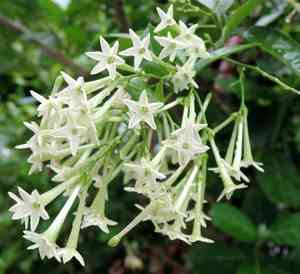
Propagating night-blooming jasmine is most effectively accomplished using stem sections in the warmer periods of spring and summer. This process presents a moderate level of difficulty, with the emergence of new foliage signaling successful development. Adequate hydration and warmth are crucial for the best outcomes.
Optimal Period for Night-blooming Jasmine Propagation
Propagation Method
Cutting
Propagation Period
Spring, Summer
Tools Required for Night-blooming Jasmine Propagation
Sharp pruning shears
These are vital for obtaining robust cuttings from night-blooming jasmine. They ensure a clean incision, minimizing harm to both the parent plant and the cutting, which aids in disease prevention and promotes quicker healing and rooting.
Rooting hormone powder or gel
This product boosts root formation in night-blooming jasmine cuttings. Dipping the severed end into the hormone encourages root development, increasing the chances of successful propagation.
Sterile potting mix
Employing a sterile potting medium prevents contamination and illness in night-blooming jasmine cuttings. The mix should offer sufficient drainage and support, essential for new root establishment.
Small pots or propagation trays
These containers house the potting mix and night-blooming jasmine cuttings in a stable setting. They must have drainage holes to allow excess water to escape, preventing root rot.
Plastic covers or propagation domes
They create a miniature greenhouse effect for night-blooming jasmine cuttings, maintaining high humidity around them, which is beneficial for root development and helps prevent the cutting from losing too much moisture before it can absorb water independently.
Heating mats (optional)
These mats gently warm the substrate, which can improve rooting success rates for night-blooming jasmine cuttings, especially in cooler climates or during colder times of the year.
Watering can or misting bottle
These implements help keep the soil uniformly moist but not saturated. Misting the night-blooming jasmine cuttings can also maintain the necessary humidity around the foliage without overwatering the soil.
Labels and markers
Labeling is crucial for identifying night-blooming jasmine cuttings, particularly when propagating multiple species or varieties. This ensures proper care and monitoring of the propagation process.
Sanitizing agent (e.g., isopropyl alcohol)
Used to disinfect pruning shears and other tools before cutting night-blooming jasmine to prevent the spread of diseases and foster a healthy propagation environment.
How to Propagate Night-blooming Jasmine?
Propagation Method
Cutting
Difficulty Level
Moderately Difficult
Caring for Your Newly Propagated Night-blooming Jasmine
Caring for Your Newly Propagated Night-blooming Jasmine
Following successful propagation, gradually introduce the new night-blooming jasmine to less humid conditions by removing the plastic cover for increasing durations daily. Continue to keep the soil consistently moist, but avoid overwatering. Provide indirect light and shield from intense midday sun. As the night-blooming jasmine matures, fertilize monthly during the growing season with a balanced liquid fertilizer diluted to half strength. Once well-established, you can transfer it to a larger pot or into the garden, considering its preference for well-drained soil and partial shade to full sun. In colder regions, night-blooming jasmine should be brought indoors before the first frost or cultivated as an annual.
Common Errors to Avoid When Propagating Night-blooming Jasmine
Poor cutting selection
Choosing weak or diseased stems for cuttings can result in a low success rate. Healthier stems enhance the probability of successful root development.
Excessive watering of cuttings
Too much moisture can cause cuttings to rot before they establish roots. Proper drainage and a balanced watering schedule are vital for the cuttings to thrive.
Neglecting hygiene
Not sterilizing tools or using unclean pots increases the risk of introducing pathogens that can hinder the growth or kill the young night-blooming jasmine cuttings.
Insufficient humidity
Failure to maintain a humid environment can lead to the night-blooming jasmine cuttings drying out before they can establish roots. Humidity is important for encouraging root growth.
Tips For Propagating Night-blooming Jasmine
Healthy stem selection
Utilize robust and healthy semi-woody cuttings from night-blooming jasmine for a greater chance of rooting. Avoid any stems exhibiting signs of weakness or disease.
Rooting hormone application
Applying a rooting hormone to the cut end of the cutting before planting can stimulate root growth and improve the success rate of propagation.
Appropriate soil mix
Employ a well-draining soil mix to prevent waterlogging, which can cause cuttings to rot. A blend of peat, perlite, and sand is often suitable for night-blooming jasmine.
Consistent moisture level
Keep the soil consistently moist but not saturated. A balance is necessary to provide the cuttings with enough water without causing rot.



