How to Transplant Butterwort?
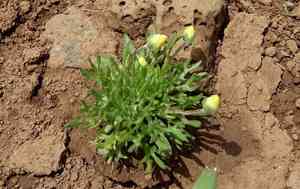
Best to relocate butterwort in the cradle of spring, when growth resumes. Choose a sunny spot with well-draining soil. A gentle touch is paramount to avoid disturbing the tender roots.
What Preparations are Needed Before Transplanting Butterwort?
What is the Ideal Time for Transplanting Butterwort?
The optimum moment to relocate butterwort is during the awakening of spring. This timing allows butterwort to establish in mild weather, promising robust growth. Transplanting butterwort as the cold retreats and life stirs in the garden brings about enriched soil synergy, ensuring a head start for these annuals before summer's full swing. Friendly reminder: a timely transition for butterwort catches the perfect balance of cool nights and lengthening days, key for root development!
How Much Space Should You Leave Between Butterwort Plants?
Get ready to give your butterworts enough room to flourish! Aim to space them about 2-3 inches (5-7.5 cm) apart. This gives each plant ample space to grow while ensuring they're cozy neighbors in your garden.
What is the Best Soil Mix for Butterwort Transplanting?
For your butterworts to thrive, mix up a well-draining, sandy loam soil and enrich it with some all-purpose, slow-release fertilizer. This creates the perfect foundation for your plants to establish their new home.
Where Should You Relocate Your Butterwort?
Find a sun-kissed spot in your garden that gets plenty of light! Butterworts adore bright locations with full to partial sunlight, so choose a place where the sunshine can dance on their leaves for most of the day.
What Equipments Should You Prepare Before Transplantation Butterwort?
Gardening Gloves
To protect your hands while working with the soil and plant.
Hand Trowel
To dig out small plants or loosen the soil around the plantâs base.
Digging Shovel
To spade or dig out plants from the ground and for digging the transplant hole.
Watering Can or Hose
To water the plant pre- and post-transplant.
Pruning Shears
To trim roots or prune the plant if necessary.
Gardening Fork
To help loosen the soil during plant removal.
Wheelbarrow
To transport the plant and soil without causing damage.
How Do You Remove Butterwort from the Soil?
How Do You Remove Butterwort from the Soil?
From Ground: Water the butterwort plant to moisten the soil, making removal easier. Use a digging shovel to make a wide circle around the plant, ensuring you are far enough out not to harm the root ball. Gently work the shovel beneath the plant, taking care to keep the root ball intact, and lift the butterwort from the ground.From Pot: Water the butterwort to ensure the soil is moist. Turn the pot to the side and gently tap or squeeze it to loosen the grip on the plant. Tilt the pot and ease the plant out, supporting the planté¥æ¦® base and root ball with your hands to prevent damage.From Seedling Tray: Moisten the soil in the seedling tray. Carefully insert the hand trowel or a spoon alongside the seedling to lift it out of the tray, making sure to keep the root ball and starting soil intact.
Step-by-Step Guide for Transplanting Butterwort
Preparing the New Site
Dig a hole in the ground that is twice as wide as the root ball of the butterwort and of the same depth, creating a suitable environment for the roots to spread.
Root Ball Care
Carefully inspect the root ball of the butterwort. If the roots are tightly wound, gently tease them apart to encourage outward growth.
Placement
Place the butterwort into the hole, ensuring it is at the same depth it was growing previously. The soil line on the stem should match the surrounding ground level.
Fill In
Carefully fill the space around the root ball with soil, and gently pat down to remove air pockets, providing stable support for the butterwort.
Watering
Water the butterwort deeply right after planting to settle the soil and hydrate the roots.
Support
If the butterwort is top-heavy or in a windy location, consider staking the plant for additional support.
How Do You Care For Butterwort After Transplanting?
Maintenance
Keep an eye on the butterwort for the first few weeks, ensuring it stands upright and isnât wilting.
Mulching
Apply a layer of mulch around the base to conserve moisture and prevent weed competition, but avoid piling mulch against the stem.
Careful Watering
Regularly water the butterwort, particularly during dry spells, to aid in the establishment of the new root system.
Troubleshooting Common Issues with Butterwort Transplantation.
When's the best time to transplant butterwort?
Timing is crucial â aim for early spring when the soil is workable for vibrant butterwort growth.
What spacing is ideal for butterwort after transplanting?
Allow butterwort adequate room to flourish by spacing transplants about 2-3 inches (5-7.5 cm) apart.
How deep should I plant butterwort when transplanting?
Position butterwort at the same depth as in their previous container for optimal growth.
Can butterwort tolerate transplanting in cooler weather?
Transplant butterwort in early spring when frost risk is minimal to ensure plant establishment.
Why are my transplanted butterwort plants wilting?
Wilting post-transplant may signify shock. Provide ample water and shade to help butterwort recover.
What kind of soil suits butterwort best for transplanting?
Transplant butterwort into well-draining soil, enriched with organic matter for a healthy start.
How frequently should I water butterwort after transplanting?
Irrigate newly transplanted butterwort generously to dampen roots, then adjust to moderate watering.
Should I fertilize butterwort immediately after transplanting?
Wait until butterwort are settled and showing new growth before introducing a balanced fertilizer.
What sunlight conditions are required for transplanted butterwort?
Ensure butterwort are sited in full sunlight to partial shade for vigorous development post-transplant.
How do I handle root-bound butterwort when transplanting?
Gently tease out the roots of butterwort before planting to encourage outward growth.



