How to Transplant Larkdaisy?
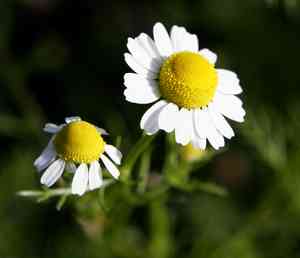
The ideal period for relocating larkdaisy spans from the onset of early spring until the brink of summer, since moderate temperatures facilitate root development. Select a location bathed in sunlight with soil that drains effectively, and position them with adequate spacing for their full development. Exercising care is crucial during the transplanting process to lessen any disruption to the roots.
What Preparations are Needed Before Transplanting Larkdaisy?
What is the Ideal Time for Transplanting Larkdaisy?
The perfect time for moving larkdaisy is from the start of spring until the beginning of summer. This period allows the plant to settle in under prime growing conditions. By choosing this window for relocation, larkdaisy benefits from mild temperatures and increasing daylight, crucial for root development and reducing transplant shock. A helpful hint: your garden will appreciate you giving larkdaisy a head start during this season of growth!
How Much Space Should You Leave Between Larkdaisy Plants?
When getting ready to move larkdaisy, imagine each plant having its own personal area. Aim for 18-24 inches (45-60 cm) between each one. This provides ample room for roots to spread and plants to thrive without being cramped.
What is the Best Soil Mix for Larkdaisy Transplanting?
Prepare to treat your larkdaisy to well-draining soil! Improve your garden bed with a blend of compost or a balanced fertilizer to nourish your plant. A little soil preparation goes a long way towards a happy, thriving larkdaisy.
Where Should You Relocate Your Larkdaisy?
Find a bright spot that receives ample sunlight for your larkdaisy. These plants love soaking up the sun, so a location with at least 6 hours of direct sunlight is perfect. This sunshine will help your larkdaisy grow strong and produce beautiful blooms!
What Equipments Should You Prepare Before Transplantation Larkdaisy?
Gardening Gloves
To safeguard your hands while handling soil and plants.
Shovel or Spade
For digging up the plant and preparing the new planting site.
Watering Can or Hose
To hydrate the plant before and after its relocation.
Pruning Shears
For trimming any damaged roots or foliage prior to transplanting.
Wheelbarrow
For moving the plant if it's large, or for transporting soil and organic matter.
Mulch
To help maintain soil moisture and stabilize soil temperature after transplant.
Plant Support Stakes
To offer stability for larkdaisy if necessary following transplantation.
How Do You Remove Larkdaisy from the Soil?
How Do You Remove Larkdaisy from the Soil?
From Ground: First, water the larkdaisy plant to moisten the soil. Then, dig a wide trench around the plant using a shovel or spade, ensuring the plant's root ball remains intact. Carefully work the spade under the root ball to lift the plant from its original spot.From Pot: Water the larkdaisy plant to make the soil damp, which helps the roots slide out more easily. Tilt the pot to the side and gently tap the bottom and sides to loosen the plant. Slide the plant out, supporting the root ball with your hand.From Seedling Tray: Water the seedlings to dampen the soil. Use a spoon or a dibber to gently lift each larkdaisy seedling out, taking care not to harm the roots and to keep as much soil around them as possible.
Step-by-Step Guide for Transplanting Larkdaisy
Digging the Hole
Excavate a hole in the ground that is twice as wide and equally deep as the larkdaisy's root ball. This provides sufficient room for the roots to expand.
Root Trimming
Examine the larkdaisy's root ball for any damaged or circling roots and trim them with pruning shears. This promotes healthier, outward root development.
Placing the Plant
Gently position larkdaisy in the center of the hole. The top of the root ball should be level with the soil surface.
Fill the Hole
Backfill the hole with soil around the larkdaisy's root ball. Gently press down the soil to eliminate air pockets but avoid over-compacting it.
Watering
Water the larkdaisy thoroughly to settle the soil and hydrate the roots. This will also help to remove any remaining air gaps around the roots.
Mulching
Apply a layer of mulch around the base of larkdaisy, being careful not to pile it against the stem, to help retain moisture and regulate soil temperature.
How Do You Care For Larkdaisy After Transplanting?
Initial Watering
Water larkdaisy generously immediately after transplanting to lessen transplant shock and aid root establishment.
Regular Watering
Ensure consistent watering over the subsequent weeks, allowing the soil to dry slightly between waterings, but not completely, to encourage robust root growth.
Supporting the Plant
If the larkdaisy appears weak or unstable, use plant support stakes to keep it upright and secure as it develops.
Monitoring Plant Health
Keep an eye on the larkdaisy for any indications of stress, such as wilting or discolored leaves, and address promptly with appropriate care or adjustments.
Troubleshooting Common Issues with Larkdaisy Transplantation.
How do I know when it's best to transplant larkdaisy?
Optimal times are during milder weather conditions, specifically from early to late spring, to encourage root establishment.
What is the optimal spacing for larkdaisy while transplanting?
Allow for a generous spread of 18-24 inches (45-60 cm) between plants to promote growth without overcrowding.
Can I transplant larkdaisy on a hot summer day?
Moving larkdaisy in high heat can stress the plant. Aim for cooler, overcast days or transplant in the late afternoon.
Why is my transplanted larkdaisy wilting?
Wilting after transplant is common due to root disturbance. Ensure regular watering to help the plant recover.
How deep should I plant larkdaisy when transplanting?
The root ball of larkdaisy should be planted at the same depth it was grown at to prevent stem rot.
Should I amend the soil when transplanting larkdaisy?
Yes, enrich the planting hole with compost to provide nutrients and improve soil structure for better root growth.
How much water does larkdaisy need post-transplant?
Water thoroughly after transplanting and then consistently to maintain soil moisture, but avoid waterlogging.
When should I start fertilizing my transplanted larkdaisy?
Wait 2-4 weeks post-transplant before applying a balanced fertilizer to allow roots to settle.
Hows to protect larkdaisy from transplant shock?
Minimize root disturbance, water immediately after transplanting, and provide shade if weather is unexpectedly hot.
How do I handle root-bound larkdaisy when transplanting?
Gently separate the roots or make vertical cuts in the root ball to stimulate outward growth.



