How to Transplant Pearl millet?
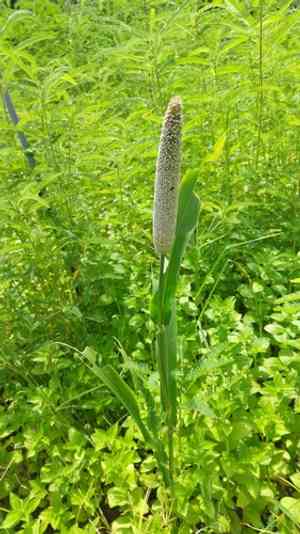
The optimal time for transplanting pearl millet spans from early spring to its peak flowering, promoting vigorous development. Select a bright location featuring soil that drains effectively. When relocating mature specimens, exercise caution to lessen root disruption.
What Preparations are Needed Before Transplanting Pearl Millet?
What is the Ideal Time for Transplanting Pearl Millet?
The best time for moving pearl millet is from mid-spring to early summer, ensuring a smooth transition for growth. This timing allows pearl millet to adapt to ideal warming conditions, promoting strong development. By transplanting during this period, you benefit from the perfect balance of soil warmth and stable weather, crucial for pearl millet's root establishment and overall vigor.
How Much Space Should You Leave Between Pearl Millet Plants?
Hello, gardener! When relocating your pearl millet, remember to provide ample room for growth. Aim for spacing of approximately 8-10 inches (20-25 cm) between each plant. This will ensure they have sufficient space to develop robustly!
What is the Best Soil Mix for Pearl Millet Transplanting?
Your pearl millet will thrive in a comfortable growing medium. Choose well-draining soil, and for an excellent start, incorporate a balanced, slow-release fertilizer. This will supply your pearl millet with all the necessary nutrients to flourish beautifully!
Where Should You Relocate Your Pearl Millet?
Sunlight is beneficial for pearl millet, so select a bright location where it can receive full sun for most of the day. This sunny spot will keep your pearl millet healthy, aiding in robust growth and abundant yields.
What Equipments Should You Prepare Before Transplantation Pearl Millet?
Gardening Gloves
To safeguard your hands while handling soil and plants.
Shovel or Spade
For excavating the plant and preparing the new planting site.
Garden Fork
To loosen the soil around the root mass when extracting the plant from the ground.
Watering Can or Hose
To hydrate the plant before and after relocation to minimize transplant shock.
Wheelbarrow
For moving the plant and soil, especially if the plant is sizable.
Pruning Shears
For trimming any damaged roots or foliage prior to transplanting.
Mulch
To help retain soil moisture and reduce weed competition in the new spot.
How Do You Remove Pearl Millet from the Soil?
How Do You Remove Pearl Millet from the Soil?
From Ground: Water the pearl millet plant to moisten the soil. Use a garden fork to loosen the soil surrounding the plant. Carefully dig a wide circle around the plant with a shovel or spade, and gently work beneath the root ball to lift it out.From Pot: Water the pearl millet thoroughly beforehand. Turn the pot sideways and tap the base to dislodge the plant. Slowly ease the plant out while supporting the stem with your hand.From Seedling Tray: Dampen the soil in the tray before gently pushing the pearl millet seedling up from the bottom. Hold onto the leaves, not the delicate stem, to remove it from the tray.
Step-by-Step Guide for Transplanting Pearl Millet
Plant Acclimatization
Gradually introduce pearl millet to outdoor conditions if it was grown indoors, over a period of 7-10 days.
Preparing the Hole
Dig a hole in the ground that is twice as wide and the same depth as the root ball of the pearl millet.
Inspect and Prune Roots
Examine the pearl millet's roots for any signs of damage or circling growth. Trim as needed to encourage healthy development.
Positioning
Place the pearl millet in the center of the hole. The top of the root ball should be level with the surrounding soil surface.
Refilling the Hole
Gently backfill the hole with soil around the root ball of the pearl millet, firming it down as you go to eliminate air pockets.
Watering
Water the pearl millet thoroughly after planting to settle the soil and hydrate the roots.
Mulching
Apply a layer of mulch around the base of the pearl millet, keeping it away from the stem to prevent rot.
How Do You Care For Pearl Millet After Transplanting?
Watering
Keep the soil around the pearl millet consistently moist, but not waterlogged, for the first few weeks after transplanting to help establish strong roots.
Monitoring
Observe for signs of stress such as wilting, leaf yellowing, or stunted growth, and adjust care as needed.
Protection
Provide shade or wind protection if extreme weather conditions are anticipated shortly after transplanting.
Staking
If the pearl millet is tall or in a windy area, consider staking it to provide support until it is well-established.
Troubleshooting Common Issues with Pearl Millet Transplantation.
What's the best time to transplant pearl millet for optimal growth?
The ideal period is from mid to late spring, when the soil is warm and frost risk has passed.
How far apart should I plant pearl millet for healthy development?
Allow for 8-10 inches (20-25 cm) between plants to ensure ample space for growth and air circulation.
Why are my pearl millet seedlings wilting after transplanting?
Wilting may occur due to transplant shock. Ensure gentle handling, proper watering, and initial shade from intense sunlight.
How deep should I plant pearl millet when transplanting?
Dig a hole that's as deep as the root ball and twice as wide to accommodate growth.
What type of soil is best for transplanting pearl millet?
Use well-draining soil rich in organic matter to promote strong root growth and plant health.
How much water does pearl millet need after transplanting?
Water thoroughly upon planting and then regularly, allowing the top inch of soil to dry out between waterings.
Can pearl millet handle transplanting in full sun right away?
After transplanting, acclimate pearl millet to full sun gradually to avoid stress; partial shade is initially preferable.
What should I do if pearl millet shows signs of drooping leaves?
Drooping leaves can signify underwatering or overwatering. Adjust your watering schedule accordingly and check for proper drainage.
Should I fertilize pearl millet immediately after transplanting?
Wait 2-4 weeks before applying a balanced fertilizer to give pearl millet time to establish.
How can I protect pearl millet from pests after transplanting?
Monitor pearl millet regularly for pests, use appropriate pest control methods, and maintain good plant hygiene to deter infestations.



