How to Transplant Julian hackberry?
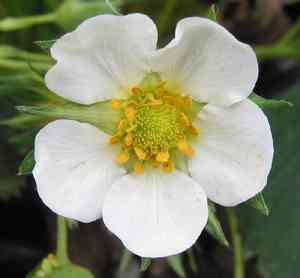
Julian hackberry flourishes when relocated in the beautiful period from early to late spring. A spot receiving full sun or partial shade, coupled with soil that drains effectively, will maximize its development. Crucially, refrain from transplanting during harsh weather conditions to achieve optimal outcomes.
What Preparations are Needed Before Transplanting Julian Hackberry?
What is the Ideal Time for Transplanting Julian Hackberry?
The best time to move julian hackberry is from the start of early spring until the end of late spring. During this period, the ground is unfrozen, and temperatures are moderate, which aids root development. This timing allows julian hackberry to adapt comfortably before summer's heat, leading to a more robust and resilient plant.
How Much Space Should You Leave Between Julian Hackberry Plants?
When relocating julian hackberry, ensure a spacing of 20-30 feet (6-9 meters) between plants. This provides sufficient room for growth without crowding, promoting healthier development and adequate sunlight for each specimen.
What is the Best Soil Mix for Julian Hackberry Transplanting?
Prepare soil that drains well for julian hackberry. An optimal blend includes loam mixed with organic compost. Before planting, incorporate a balanced base fertilizer, such as a 10-10-10 (N-P-K), to support root establishment.
Where Should You Relocate Your Julian Hackberry?
Select a site for julian hackberry that receives full to partial sunlight, ideally getting at least 4-6 hours of direct sun daily. This ensures the plant receives enough light for photosynthesis and vigorous growth.
What Equipments Should You Prepare Before Transplantation Julian Hackberry?
Gardening Gloves
To safeguard your hands while handling soil and the plant.
Shovel or Spade
For excavating holes and trenches needed to extract and replant the julian hackberry.
Garden Fork
To gently loosen the soil around the plant without harming its roots.
Watering Can or Hose
For hydrating the plant both before and after its relocation.
Pruning Shears
To trim away any damaged roots or branches.
How Do You Remove Julian Hackberry from the Soil?
How Do You Remove Julian Hackberry from the Soil?
From Ground: First, moisten the julian hackberry's soil with water. Next, dig a wide trench around the plant using a shovel or spade, making sure the root ball stays intact. Carefully work the spade beneath the root ball to lift the plant from its original spot.From Pot: Water the julian hackberry to facilitate its removal. Gently tap the pot's sides to loosen the soil. Hold the plant carefully by its base, invert the pot, and slowly pull the plant out, ensuring the root ball remains whole.From Seedling Tray: Water the seedlings to keep the soil damp. Use a small tool like a spoon or your fingers to gently lift the seedling with its root ball intact. Be extremely careful to avoid disturbing the delicate young roots.
Step-by-Step Guide for Transplanting Julian Hackberry
Site Preparation
Prepare the new spot by digging a hole that is twice as wide and the same depth as the julian hackberry's root ball.
Removing the Plant
Carefully extract the julian hackberry from its initial location, ensuring the root ball remains undamaged throughout the process.
Planting
Position the julian hackberry in the center of the hole. Backfill the hole with the removed soil, making sure the plant sits at the same depth as it was originally.
Watering
After transplanting, thoroughly water the julian hackberry to help the soil settle around its roots.
Mulching
Apply a layer of mulch around the base of the julian hackberry to retain moisture and inhibit weed growth.
How Do You Care For Julian Hackberry After Transplanting?
Watering
Keep the soil around the julian hackberry consistently moist, but not waterlogged, for the initial weeks post-transplant to aid in strong root establishment.
Monitoring
Regularly inspect the julian hackberry for any indications of stress, such as wilting or yellowing leaves, and adjust care as needed.
Pruning
Remove any damaged or dead branches to encourage healthy development.
Troubleshooting Common Issues with Julian Hackberry Transplantation.
When is the best time to transplant julian hackberry?
Transplant julian hackberry from early spring to late spring for optimal results.
How far apart should I plant julian hackberry?
Space julian hackberry 20-30 feet (6-9 meters) apart to allow for ample growth.
How do I prepare the soil for julian hackberry?
Ensure well-draining soil enriched with organic matter for julian hackberry's successful relocation.
What size hole should I dig for julian hackberry?
Dig a hole twice as wide and as deep as the root ball of julian hackberry.
Should I water julian hackberry immediately after transplanting?
Yes, water julian hackberry thoroughly right after transplanting to help settle the soil.
How can I prevent transplant shock for julian hackberry?
Keep roots moist, avoid damage, and water consistently to prevent transplant shock in julian hackberry.
What type of mulch is best for julian hackberry?
Use organic mulch like wood chips or bark to retain moisture around julian hackberry.
How deep should I plant julian hackberry?
Plant julian hackberry at the same depth as it was in its original growing location.
How much sunlight does julian hackberry need after transplanting?
Julian hackberry requires full sun to partial shade; ensure it gets 4-6 hours of sunlight daily.
When should I fertilize julian hackberry after transplanting?
Fertilize julian hackberry after 4-6 weeks post-transplanting with a balanced, slow-release fertilizer.



