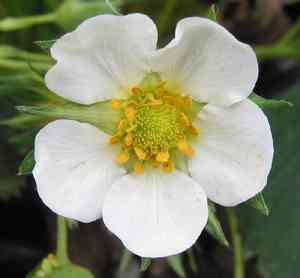
Julian hackberry (Celtis julianae)
Also known as: Juliane Hackberry
The Julian hackberry (Celtis julianae) is a deciduous tree notable for its ovate, serrated leaves and smooth, gray bark that becomes ridged with age. This tree generally grows to a height of 30-50 feet and is well-suited to well-drained soils commonly found in temperate forest regions. In spring, it produces small, unassuming flowers that eventually give way to small, sweet, orange to purple drupes. These fruits are a valuable food source for various wildlife, thus playing a crucial role in supporting local biodiversity. Additionally, its deep root system aids in soil stabilization and erosion control.
In This Article
Attributes of Julian hackberry
Lifespan
Perennial
Plant Type
Tree
Plant Height
10-20 meters
Spread
6-10 meters
Leaf Color
Green
Flower Size
0.2-0.5 cm
Flower Color
Greenish
Images of Julian hackberry
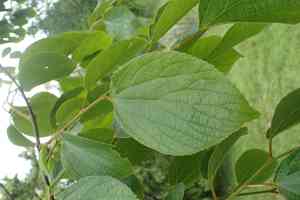
Quickly Identify Julian hackberry
1
Identify Celtis julianae by its serrated leaves with an elongated tip, small greenish flowers, and clustered orange-red fruits. The bark is grayish and smooth in young trees, developing vertical ridges as it matures.
Scientific Classification of Julian hackberry
Phylum
Vascular plants
Class
Dicotyledons
Order
Roses, elms, figs, and allies
Family
Hemp
Genus
Hackberries
Species
Julian hackberry
Planting and Growing of Julian hackberry
Care Difficulty
Easy
Watering Schedule
Every 2 days
Sunlight Requirements
Partial sun
Sunshine Duration
4-8 hours
Ideal Temperature
60-75℉
Soil Type
Potting Mix, Peat Mix
Soil pH
6.5-7.5
Fertilizer Type
Balanced
Pruning Season
Spring, Summer
Pruning Area
Branches, Leaves
Pruning Frequency
2 times a year
Repotting Season
Spring
Pot Type
Plastic, Ceramic
 How to Water Julian hackberry?
Celtis julianae prefers moderate watering. Ensure soil is evenly moist but not waterlogged. Water until the topsoil feels slightly damp, using approximately 500 ml each time, allowing excess water to drain completely.
What are the symptoms of an underwatered Julian hackberry?
›
What should I do if my Julian hackberry is not getting enough water?
›
What are the symptoms of an overwatered Julian hackberry?
›
How to save an overwatered Julian hackberry?
›
 What Are the Sunlight Requirements for Julian hackberry?
Celtis julianae prefers a balance of light such as partial sun exposure. This balance supports vibrant leaf color and robust growth, helping the plant maintain its lush appearance and structural integrity.
Optimal Sun Exposure
›
Morning Light Advantage
›
Filtered Sunlight Benefits
›
 What Is the Ideal Temperature Range for Julian hackberry?
For optimal growth of Celtis julianae, maintaining a temperature range between 60°F and 75°F is vital. This range ensures that the plant's metabolic processes operate efficiently, supporting healthy foliage development and robust growth.
 What Soil is Best for Julian hackberry?
Celtis julianae thrives in well-drained soil that allows water to percolate efficiently, reducing the risk of root rot. This condition is crucial as it helps keep the roots healthy by preventing excessive moisture accumulation. The plant benefits from soil that is rich in organic matter, supplying essential nutrients for growth and development. This condition ensures robust foliage and supports the tree's natural resistance to pests and diseases. While the soil should be well-drained, it must also retain moisture to some extent to prevent drying out. This balance is important for sustaining the tree's hydration needs, especially during dry spells.
 How to Fertilize Julian hackberry?
For Celtis julianae, a balanced fertilization approach is recommended. During the growing season, use a liquid fertilizer diluted to half strength every two weeks. Apply approximately 500 ml per plant for effective nutrient uptake.
 How to Prune Julian hackberry?
Begin by removing any dead, diseased, or broken branches. Look for branches that cross or interfere with each other, as they can cause damage over time. Target weak limbs prone to breakage during heavy winds. Cut branches at a slight angle just above a healthy bud or another lateral branch. This encourages robust regrowth and helps maintain the tree's natural shape. Avoid cutting too close or leaving a stub, as this can inhibit proper healing.
 How to Propagate Julian hackberry plant?
1
Begin by filling a seed tray with a seed-starting mix. Sow the seeds about 1/4 inch deep and water lightly. Place the tray in a warm location with indirect sunlight and keep the soil consistently moist.
2
Select healthy, semi-hardwood cuttings from the parent plant. Each cutting should be approximately 4-6 inches in length. Remove any leaves from the lower half of the cutting to avoid rot.
3
Dip the cut end of each cutting in rooting hormone to encourage root growth. Plant the cuttings into a pot filled with a moist rooting medium, ensuring at least two nodes are covered by the medium.
 How to Repot Julian hackberry plant?
1
Celtis julianae should be repotted when you notice its roots protruding from the drainage holes or when growth seems stunted or the potting mix has degraded. The best signals are slow growth and densely packed roots, indicating the plant is craving more space and nutrients.
2
Select a pot that is one to two inches larger in diameter than the current one. Ensure it has good drainage capabilities. A well-chosen pot will prevent root rot and ensure the plant doesn’t sit in water, facilitating healthier growth.
3
Opt for a well-draining rich loam soil that retains moisture without becoming waterlogged. The ideal soil will support root health and provide essential nutrients, encouraging a more robust and stable plant growth.



