How to Transplant Shellbark hickory?
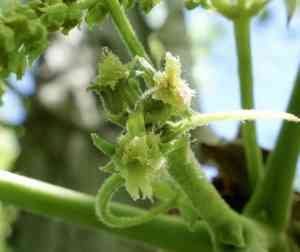
The most favorable period for relocating shellbark hickory coincides with the spring renewal phase, promoting robust root development. Select locations featuring rich, deep earth, providing abundant solar exposure. Should a move be essential, emphasize minimizing root disruption to aid in adaptation.
Preparations Required Before Relocating Shellbark Hickory
Optimal Timing for Transplanting Shellbark Hickory
The prime time for moving shellbark hickory is in the spring, ideally when the ground is workable but before new foliage emerges. This timing allows the roots of shellbark hickory to settle in mild weather, providing a strong foundation before the rigors of summer heat. Transplanting during this window not only promotes vigorous growth but also aligns with the plant's natural life cycle, ensuring a smooth transition to its new spot.
Recommended Spacing Between Shellbark Hickory Plants
Ensure ample room—approximately 20-30 feet (6-9 meters)—for each shellbark hickory you intend to move. This plant thrives with generous space! Therefore, aim to prevent overcrowding for optimal development.
Best Soil Mixture for Shellbark Hickory Transplanting
Start by preparing a well-draining loamy soil, ideally with a neutral pH. Enhance it with a base of organic compost—this will supply shellbark hickory with vital nutrients and encourage robust growth.
Ideal Location for Relocating Your Shellbark Hickory
Sunlight is crucial for shellbark hickory's well-being! Select a site that receives full sun exposure for most of the day. If this isn't possible, a location with partial shade will also suffice.
Equipment to Prepare Before Transplanting Shellbark Hickory
Gardening Gloves
To safeguard your hands while handling soil and shellbark hickory.
Shovel or Spade
For excavating holes and moving earth. Ensure it's sharp to easily cut through soil.
Wheelbarrow
For moving the shellbark hickory from its original spot to the new one.
Trowel
For precise digging around roots, and to assist in placing the shellbark hickory into its new hole.
Secateurs or Pruners
To trim any damaged or unwanted parts of the shellbark hickory.
Watering Can or Hose
To hydrate the shellbark hickory before and after its relocation.
Large Plastic Bag or Tarp
To safely transport the shellbark hickory root ball and prevent it from drying out.
How to Extract Shellbark Hickory from the Soil
How to Extract Shellbark Hickory from the Soil
From Ground: First, moisten your shellbark hickory to dampen the soil. This facilitates digging and reduces root stress. Second, excavate a wide trench around shellbark hickory, leaving a substantial margin to avoid harming the root system. Gradually work your spade beneath the root ball, being careful not to damage the roots. Once loose, gently lift the plant onto a tarp or into a wheelbarrow for transport.From a Pot: Water your shellbark hickory thoroughly to ease the transition and minimize root shock. Afterward, carefully tilt the pot sideways and gently slide out the shellbark hickory while supporting the plant's base. Remember to handle the root ball with care to prevent damage. If shellbark hickory seems stuck, lightly tap the sides to loosen the soil.From a Seedling Tray: Gently water the seedlings to moisten the soil. Use a small tool, such as a dibber or spoon, to carefully lift the shellbark hickory seedling out from the bottom. Always ensure to pull it out by its leaves and never by its stem, as pulling by the stem can cause significant harm.
Step-by-Step Guide for Transplanting Shellbark Hickory
Site Preparation
Prepare the new location with well-draining soil. Dig a hole that is twice as wide and as deep as the shellbark hickory's root ball.
Plant Placement
Position the shellbark hickory in the center of the hole, ensuring the top of the root ball is level with the ground surface. Avoid planting too deeply as this can lead to root damage.
Backfilling
Refill the hole with the original soil. It's crucial not to compact the soil too much as it may hinder root growth.
Watering
Provide the shellbark hickory with a generous watering immediately after planting to help it settle. Ensure the water penetrates deep into the root zone.
Mulching
Add a layer of mulch around the base of shellbark hickory but keep it from touching the trunk. Mulching helps retain soil moisture and reduce weed competition.
Post-Transplant Care for Shellbark Hickory
Watering
Keep the soil around shellbark hickory consistently moist, but not waterlogged, for the initial 4-6 weeks after transplanting to aid in root establishment. Subsequently, decrease watering frequency and allow the topsoil to dry out between irrigation sessions.
Pruning
Remove any dead or damaged branches that may have occurred during the transplant process. This will stimulate healthy new growth.
Inspecting
Regularly examine shellbark hickory for indications of disease or pests. Early detection enables effective control measures, which enhances the success rate of the transplant.
Troubleshooting Common Issues with Shellbark Hickory Transplantation.
When is the best time for transplanting shellbark hickory?
The optimal period for transplanting shellbark hickory is during the first three seasons of the year. Timing is critical for successful transplantation.
What is the recommended spacing when planting shellbark hickory?
It's advisable to plant shellbark hickory saplings approximately 20 to 30 feet (6 to 9 meters) apart to provide them with sufficient room for healthy development.
Why are my newly transplanted shellbark hickory leaves wilting?
Wilting leaves might be due to transplant shock. Ensure the plant is adequately watered, receiving the correct amount of sunlight, and properly nourished with nutrients.
What is the recommended depth for digging a hole for shellbark hickory transplantation?
The hole should be twice the width and the same depth as the roots of shellbark hickory to allow for comfortable expansion.
Why are my transplanted shellbark hickory not growing?
Shellbark hickory may take some time to establish due to transplant shock. Ensure it receives the right amount of water, sunlight, and nutrients for improved growth.
How much sunlight does a transplanted shellbark hickory require?
Shellbark hickory needs full sun to partial shade to thrive. Make sure you select a location that meets this requirement before transplanting.
How should I water my transplanted shellbark hickory?
Newly transplanted shellbark hickory requires regular watering until it can establish itself. Monitor soil moisture to ensure it's damp, but not waterlogged.
What should I do if the transplanted shellbark hickory tree is leaning?
If your shellbark hickory is leaning, carefully stake the tree upright and tie it loosely. Remove the stake once the tree can stand independently.
Can I transplant shellbark hickory at any height?
Ideally, shellbark hickory should be transplanted when it's 1-3 feet (30-90 cm) tall. Larger specimens may suffer more from transplanting.
What should I do if insects are damaging my transplanted shellbark hickory?
Use an organic pesticide to eliminate pests. However, if the infestation persists, you may require professional assistance or a stronger pesticide.



