How to Transplant Water hickory?
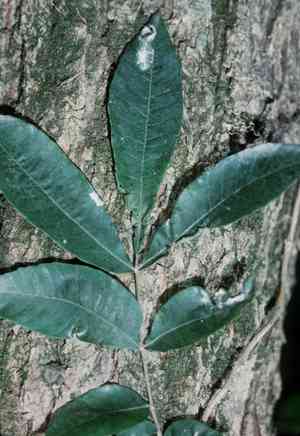
Carya aquatica flourishes when relocated between early and mid-summer, as the elevated soil temperature and abundant solar exposure facilitate root development. Select a site featuring damp, well-draining earth, steering clear of excessively arid zones. Sufficient irrigation is vital following transplantation.
What Preparations are Needed Before Transplanting Water Hickory?
What is the Ideal Time for Transplanting Water Hickory?
The best time to move water hickory is from early to mid-summer. This period offers warm ground temperatures and ample daylight, encouraging strong root development and vigorous growth. Transplanting at this time maximizes the plant's ability to adjust and flourish in its new spot, setting it up for long-term health.
How Much Space Should You Leave Between Water Hickory Plants?
When relocating water hickory, ensure a spacing of 30-40 feet (9-12 meters) between them. This provides ample room for their development and prevents competition for essential resources.
What is the Best Soil Mix for Water Hickory Transplanting?
Prepare a well-draining soil blend with sandy and loamy characteristics for water hickory. Prior to transplanting, enrich the soil with a foundational layer of organic fertilizer or compost to supply vital nutrients.
Where Should You Relocate Your Water Hickory?
Water hickory thrives in a sunny location that receives direct sunlight for at least 6-8 hours daily. Select a garden spot that fulfills this light requirement to ensure healthy development.
What Equipments Should You Prepare Before Transplantation Water Hickory?
Gardening Gloves
To safeguard your hands while handling soil and the plant.
Shovel or Spade
For digging around and lifting the plant from its initial spot.
Watering Can
To hydrate the plant before and after its relocation.
Root Pruning Saw
To trim any damaged or extra roots if necessary.
Wheelbarrow
To move the plant if its root ball is substantial.
Mulch
To apply around the plant's base post-transplant to help retain moisture.
How Do You Remove Water Hickory from the Soil?
How Do You Remove Water Hickory from the Soil?
From Ground: First, moisten the soil around the water hickory plant. Then, dig a wide trench around the plant using a shovel or spade, making sure the root ball stays intact. Carefully work the spade beneath the root ball to lift the plant from its original position.From Pot: Water the water hickory plant thoroughly. Gently tip the pot and tap its sides to loosen the soil. Carefully hold the plant's base and slide it out, ensuring the root ball remains whole.From Seedling Tray: Water the seedlings well. Use a small tool to carefully lift each water hickory seedling, making sure to include a good amount of soil with the roots to prevent damage.
Step-by-Step Guide for Transplanting Water Hickory
Prepare the New Site
Choose and prepare the new spot for your water hickory plant by digging a hole that is twice as wide and as deep as the plant's root ball.
Acclimate the Plant
Place the water hickory plant in a shaded area for a few days before transplanting to lessen transplant shock.
Remove the Plant
Utilize the methods described in the removal_process to carefully extract the water hickory plant from its initial location.
Place the Plant
Gently position the water hickory plant in the new hole, ensuring it sits at the same depth as it was previously growing. Spread its roots evenly within the hole.
Refill the Hole
Backfill the hole with the original soil, gently firming it around the root ball to eliminate air pockets.
Water Thoroughly
Provide the newly transplanted water hickory with a deep watering to settle the soil and reduce transplant shock.
Apply Mulch
Place a layer of mulch around the base of the water hickory plant to help maintain soil moisture and regulate soil temperature.
How Do You Care For Water Hickory After Transplanting?
Watering
Keep the soil around the water hickory consistently moist, but not waterlogged, for the initial weeks after transplanting to aid in strong root establishment.
Mulching
Replenish mulch as needed to maintain a 2-3 inch layer, which helps retain moisture and suppress weeds.
Monitoring
Regularly check the water hickory plant for signs of wilting or transplant shock and provide additional water if necessary. Also, watch for pests and diseases.
Troubleshooting Common Issues with Water Hickory Transplantation.
When is the best time to transplant water hickory?
Early to mid-summer is the optimal period for transplanting water hickory.
How far apart should water hickory be spaced?
Space each water hickory 30-40 feet (9-12 meters) apart for ideal growth.
What soil type is best for water hickory transplantation?
Water hickory thrives in moist, well-drained soils rich in organic matter.
How deep should the transplant hole be for water hickory?
Dig a hole twice the width and the same depth as the root ball.
How should I prepare water hickory before transplanting?
Ensure the roots are moist and undamaged before placing water hickory in its new location.
How much water does water hickory need after transplanting?
Water water hickory thoroughly after transplanting and keep the soil consistently moist for the first month.
Should I fertilize water hickory immediately after transplanting?
Avoid immediate fertilization; wait until water hickory shows new growth before applying a balanced fertilizer.
What temperature is ideal for transplanting water hickory?
Temperatures between 68-86°F (20-30°C) are best for transplanting water hickory.
What common pests should I watch for after transplanting water hickory?
After transplanting, watch for pests like aphids and caterpillars. Treat them promptly.
How can I reduce transplant shock for water hickory?
Minimize root disturbance and ensure water hickory is well-watered to reduce transplant shock.



