How to Transplant Papaya?
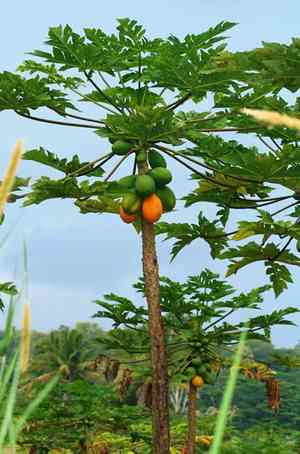
For best results, relocate papaya plants in the pleasant period of mid-spring. Select a bright spot with soil that drains effectively to ensure a thriving specimen. Be sure to provide ample room for the papaya to expand, and carefully position its roots in the new environment. Enjoy your transplanting!
What Preparations are Necessary Before Moving Papaya?
When is the Optimal Time for Relocating Papaya?
Relocating papaya is best done during the pleasant period of mid-spring. This season promotes vigorous development, thanks to the favorable warm climate. By moving papaya at this specific time, it benefits from spring's balanced weather, which subsequently provides an excellent foundation for it to flourish, leading to an optimal harvest.
How Much Distance Should You Maintain Between Papaya Plants?
For your papaya plant, it's advisable to provide ample room for growth and prosperity. Therefore, when relocating, ensure each plant is spaced approximately 8-10 feet (2.4-3 meters) apart. This will guarantee sufficient area for them to develop without any issues.
What is the Best Soil Mixture for Papaya Relocation?
When preparing the soil for your papaya plant, it's crucial to use well-draining, rich soil with a pH of 5.5-6.5. To offer ideal growing conditions, incorporate some organic material or a balanced slow-release fertilizer before relocating for the best outcomes.
Where Should You Replant Your Papaya?
Your papaya plant will enjoy abundant sunlight! Select a spot that receives at least 6-8 hours of direct sun daily for optimal development. Ensure the area is shielded from strong gusts and any potential frost, as they prefer warmer conditions.
What Equipment Should You Prepare Before Relocating Papaya?
Gardening gloves
To safeguard your hands while working with soil and handling the plant.
Spade or shovel
These are utilized for excavating holes and extracting the plant from its initial spot.
Garden fork
Aids in lifting the plant and its root system without causing harm.
Gardening trowel
Crucial for precisely shaping the hole where papaya will be replanted.
Pruning shears
These might be needed to trim any damaged or diseased roots or branches.
Watering can or hose
Essential for hydrating the plant before and after relocation.
Mulch
Helps to retain soil moisture and inhibit weed growth after replanting.
How Do You Extract Papaya from the Soil?
How Do You Extract Papaya from the Soil?
From Ground: Begin by watering the papaya plant at its original site to dampen the soil, which facilitates easier removal of the plant. Dig a wide circle around the plant using a shovel or spade, ensuring you're far enough from the plant to avoid harming the root system. Gradually work the spade beneath the root ball, taking care to keep the roots intact. Once the plant is loose, gently lift it out of the ground with a garden fork.From Pot: Water your papaya thoroughly before starting the relocation process to help the plant slide out more easily. Carefully tilt the pot sideways and gently ease the plant out, supporting the base of the stem and root ball. Try to avoid pulling on the plant, as this could cause damage.From Seedling Tray: Fill the tray with water and allow the seedlings to absorb as much as they can before relocating. Then, gently remove the papaya seedlings by lifting from the leaves, not from the stem. Ensure that the seedling's root ball is kept as intact as possible.
Step-by-Step Guide for Relocating Papaya
Hole Preparation
Excavate a hole twice the width of the root ball and slightly less deep than its height. Ensure the bottom of the hole is firm to prevent sinking and subsequent waterlogging.
Positioning
Place your papaya plant in the hole. The top of the root ball should be slightly above ground level to allow for natural settling. Make sure the plant stands upright.
Backfilling
Carefully refill the hole, gently firming the soil around the base of the papaya plant. Create a slight depression around the plant to help retain water.
Watering
Thoroughly water the plant after relocation. This helps the soil settle around the root ball and reduces plant stress.
Mulching
Apply 2-3 inches of organic mulch around the base of the papaya, but avoid piling it against the stem. Mulch conserves soil moisture and suppresses weed growth.
How Do You Care For Papaya After Relocation?
Watering
Consistently keep the soil around papaya moist, but not waterlogged, for several weeks after relocation. This aids root establishment and plant recovery.
Monitoring
Keep an eye on your papaya for signs of stress including wilting, scorching, or discoloration. Some relocation shock is normal, but prolonged symptoms may require additional interventions.
Pruning
Remove any dead or dying leaves to direct energy to new growth. However, avoid heavy pruning immediately after relocation as it could stress the plant further.
Pest and Disease Prevention
Regularly inspect your papaya for signs of pests or disease. Early detection and treatment will keep your plant healthy and vigorous. A good rule of thumb is to address any issues as soon as you notice them.
Troubleshooting Common Issues with Papaya Relocation.
What's the best time of year to relocate papaya?
Relocating papaya in mid-spring's mild conditions offers the best chance for success. The gentle weather reduces relocation shock.
What space do I need for papaya during relocation?
Ample space is crucial for papaya. Allow for about 8-10 feet (2.5-3 meters) between each plant to ensure sufficient growth.
My papaya isn't thriving after relocation. What could be wrong?
Papaya might not thrive due to relocation shock. Reduce this by watering well after relocating and providing partial shading initially.
Any vital soil amendments for papaya before relocation?
Yes! Papaya flourishes in well-draining, fertile soil. Enrich your soil with organic compost and ensure pH is neutral to slightly acidic.
How deep should the hole be while relocating papaya?
The hole should be slightly deeper and wider than the root ball of papaya, offering enough space for root expansion.
How often should I water papaya after relocation?
Water papaya thoroughly immediately after relocating, and then frequently in the weeks after. Reduce frequency as it begins to establish.
Are there signs to indicate papaya has successfully established post-relocation?
Papaya will show healthy new growth and balanced moisture content in its leaves. This typically indicates successful establishment post-relocation.
My relocated papaya shows leaf discoloration, what does that mean?
Leaf discoloration could indicate nutrient deficiency or too much sun. Validate papaya's soil nutrient levels and consider using sun shade.
How should I handle papaya during relocation?
Handle papaya gently during relocation. Try to preserve as much of the root ball and avoid damaging the stem.
Why is spacing so crucial when relocating papaya?
Papaya needs substantial space to grow and produce adequately. Adequate spacing also helps prevent the spread of diseases.



