How to Transplant Showy sedge?
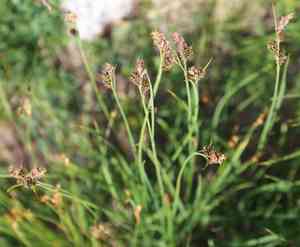
Transfer showy sedge when the vibrancy of spring transitions into the mildness of early summer for ideal adaptation. Select a location featuring damp, well-draining earth, shielded from intense midday sunlight. Careful manipulation aids root development in its new environment.
What Preparations are Needed Before Transplanting Showy Sedge?
What is the Ideal Time for Transplanting Showy Sedge?
The best time to move showy sedge is from late spring to early summer. This period provides the necessary warmth and extended daylight for showy sedge to establish itself firmly. Transplanting showy sedge during this window utilizes its natural growth cycle, reducing stress and promoting root development. This timing also allows showy sedge ample time to adjust before the peak summer heat, ensuring a strong growing season.
How Much Space Should You Leave Between Showy Sedge Plants?
Greetings, fellow gardener! Before settling your showy sedge into its new spot, ensure each plant has sufficient personal room. Aim for approximately 12-18 inches (30-45 cm) between them. This spacing helps your showy sedge thrive without becoming overcrowded.
What is the Best Soil Mix for Showy Sedge Transplanting?
To give your showy sedge the best start, consider the soil as a comforting blanket. Choose rich, well-draining soil with some sand or compost mixed in. Before planting, treat your showy sedge to a good foundational feeding with a balanced, slow-release fertilizer to encourage robust growth.
Where Should You Relocate Your Showy Sedge?
Your showy sedge prefers a location that mimics a relaxed, sunny morning. Select a spot with partial sunlight, where sunbeams filter through the day. This ensures your showy sedge receives the light it desires without the harshness of midday sun.
What Equipments Should You Prepare Before Transplantation Showy Sedge?
Shovel or Spade
For excavating showy sedge from its original spot and digging a new hole for transplantation.
Gardening Gloves
To safeguard your hands while handling soil and plants.
Watering Can or Hose
To hydrate showy sedge prior to removal and following transplantation.
Pruning Shears
For trimming any dead or excessively long roots before transplanting.
Wheelbarrow or Plant Dolly
To safely move showy sedge to its new site without harming the plant or root ball.
Mulch
To aid in retaining soil moisture and regulating temperature around the roots of showy sedge after transplanting.
How Do You Remove Showy Sedge from the Soil?
How Do You Remove Showy Sedge from the Soil?
From Ground: Hydrate the showy sedge plant to moisten the soil. Then, excavate a wide trench around the plant using a shovel or spade, being careful not to harm the root ball. Gently work the tool beneath the root ball to lift the plant from its initial location.From Pot: Start by watering your showy sedge to dampen the soil, facilitating easier removal. Turn the pot on its side and gently tap or press the container's edges to loosen the root ball. Carefully ease the plant out of the pot, avoiding pulling it by the stems.From Seedling Tray: Water the seedling tray to keep the soil and roots intact. Carefully lift the showy sedge seedling by its leaves, not the delicate stem. Use a tool like a dibber or a small spoon to assist in lifting the plant, ensuring minimal root disturbance.
Step-by-Step Guide for Transplanting Showy Sedge
Digging the Hole
Excavate a hole in the ground where you intend to transplant the showy sedge, making it twice as wide and slightly deeper than the showy sedge's root ball.
Root Pruning
Inspect the showy sedge's root ball and trim away any dead or overly long roots with pruning shears to encourage healthy development.
Placement
Carefully position the showy sedge's root ball into the hole, ensuring the top of the root ball is level with the surrounding soil surface.
Fill the Hole
Gently backfill around the root ball with soil, lightly firming it down to eliminate air pockets and secure the showy sedge in place.
Watering
After planting, thoroughly water the showy sedge to settle the soil around the roots and help reduce transplant shock.
Mulching
Apply a layer of mulch around the base of showy sedge, being careful not to pile it against the stems or foliage, to help maintain soil moisture and temperature.
How Do You Care For Showy Sedge After Transplanting?
Watering Routine
Maintain a consistent watering schedule for showy sedge to aid new root development while preventing overwatering, which can lead to rot.
Monitoring Growth
Observe the showy sedge for indications of stress, such as wilting or discolored leaves, and adjust care as needed.
Weeding
Keep the area around showy sedge free of weeds that can compete for nutrients and water.
Protection
If you reside in an area with wildlife, consider adding a protective barrier to deter animals from disturbing the newly transplanted showy sedge.
Stake Supports
For taller varieties of showy sedge that might be susceptible to wind damage, use plant stakes for additional support during the establishment period.
Troubleshooting Common Issues with Showy Sedge Transplantation.
What's the best time to transplant showy sedge for optimal growth?
For best results, transplant showy sedge during late spring to early summer when temperatures are moderate.
How much space does showy sedge need between plants when transplanting?
Space showy sedge approximately 12-18 inches (30-46 cm) apart to allow ample room for growth and air circulation.
Can showy sedge be transplanted in full sun locations?
Showy sedge prefers partially shaded areas. Avoid full sun spots, which may stress the plant after transplantation.
What soil conditions are ideal for transplanting showy sedge?
Showy sedge thrives in rich, moist, well-drained soil. Enhance soil structure and fertility by amending it with organic matter.
How often should I water showy sedge after transplanting?
Keep the soil consistently moist for the initial weeks post-transplanting. Water deeply to encourage root development.
What signs indicate that showy sedge is not adapting well after transplanting?
Yellowing leaves or wilting can signal poor adaptation. Ensure proper soil, spacing, and moisture levels are maintained.
Should I use fertilizer when transplanting showy sedge?
Allow showy sedge to establish in its new location before fertilizing. After a few weeks, apply a balanced fertilizer if needed.
How do I handle root bound showy sedge during transplanting?
Gently untangle the roots of showy sedge if they are bound. This encourages them to spread into the surrounding soil.
Is there a specific depth to plant showy sedge when transplanting?
Plant showy sedge at the same depth it was previously growing to prevent burying the crown, which can lead to rot.
How do I protect transplanted showy sedge from pests or diseases?
Monitor showy sedge closely and keep the area weed-free. Use mulch to retain moisture and deter pests without overdoing it.



