How to Transplant Slough Sedge?
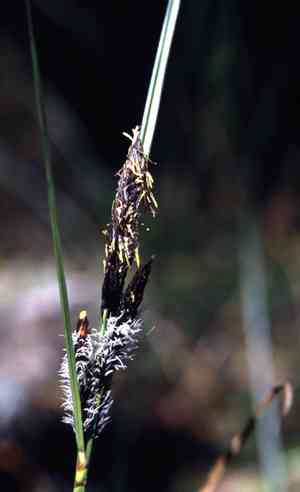
The most favorable period to relocate slough Sedge is during nature's soft revival, spanning from the initial melting of early spring to the peak flowering of late spring, facilitating root development. Select damp, adequately draining locations and consider the plant's preference for ample room.
Preparations Required Before Relocating Slough Sedge
Optimal Period for Moving Slough Sedge?
The best time to move slough Sedge is from early spring to the beginning of summer. This period of active growth promotes healthy root development and reduces stress on slough Sedge. Relocating your slough Sedge in spring offers the perfect balance of cooler, moist soil and increasing daylight, fostering vigorous growth. Remember: ensure your slough Sedge thrives with this timely shift to enjoy its strong seasonal recovery!
Recommended Spacing Between Slough Sedge Plants?
When preparing to re-home slough Sedge, position them approximately 18-24 inches (45-60 cm) apart. This spacing allows them ample room to expand and flourish without competing for essential resources.
Ideal Soil Blend for Slough Sedge Relocation?
For slough Sedge, prepare a well-draining, loamy soil enriched with organic compost. A small amount of balanced, slow-release fertilizer will provide a good start. Consider it a comfortable bed for their roots!
Where to Replant Your Slough Sedge?
Select a location for slough Sedge that receives ample sunlight, though it can tolerate some shade. Aim for a spot that gets sun for part of the day – it's not overly particular.
Equipment Needed Before Transplanting Slough Sedge?
Gardening Gloves
To safeguard your hands while handling soil and the plant.
Shovel or Spade
For excavating around and beneath the plant to carefully extract it with its root ball intact.
Garden Knife or Pruning Shears
To trim any dead or excess roots or foliage prior to transplanting.
Wheelbarrow or Garden Cart
To move the slough Sedge from its original spot to the new planting site.
Watering Can or Hose
To hydrate the slough Sedge before removal and after planting to ensure adequate moisture.
Mulch
To assist in retaining soil moisture and inhibiting weed growth around the newly planted area.
How to Extract Slough Sedge from the Ground?
How to Extract Slough Sedge from the Ground?
From Ground: Begin by watering the slough Sedge to dampen the soil, making plant removal easier. Then, dig a wide circle around the plant with a shovel or spade, being careful not to disturb the root ball. Gently work the tool under the plant to lift it out with as much of the root system as possible.From Pot: Water the slough Sedge in its container to help loosen the soil. Tilt the pot sideways and tap the bottom to encourage the plant to slide out. If it's stuck, use a garden knife to loosen the soil along the pot's edges.From Seedling Tray: Water the cells to make the soil pliable. Gently push the bottom of the cell to extract the seedling without harming the roots. Use a garden knife to separate seedlings if they are too close.
Step-by-Step Guide for Relocating Slough Sedge
Prepare the New Location
Dig a hole in the ground that is twice the width of the slough Sedge's root ball.
Examine the Root Ball
Before replanting, inspect the root ball and trim any damaged or tangled roots.
Position the slough Sedge
Carefully place the slough Sedge in the center of the newly dug hole, ensuring it sits at its original depth.
Backfill the Hole
Refill the hole with soil, gently firming it down around the roots of the slough Sedge.
Water Thoroughly
After planting, water the slough Sedge to settle the soil and remove any air pockets.
Apply Mulch
Spread a layer of mulch around the base of the slough Sedge, keeping it away from the stems, to conserve moisture and suppress weeds.
Post-Transplant Care for Slough Sedge
Initial Watering
Water the slough Sedge regularly to maintain consistent soil moisture and promote new root development.
Weeding
Promptly remove weeds, as they compete with the slough Sedge for essential nutrients and water.
Mulching
Replenish mulch as needed to preserve soil moisture and safeguard the slough Sedge's roots.
Monitoring
Observe the slough Sedge for indications of transplant shock, such as wilting, leaf drop, or discoloration, and address them quickly.
Resolving Common Issues with Slough Sedge Relocation.
Why is my slough Sedge struggling after being moved?
Ensure you're transplanting during the optimal period of early to late spring when slough Sedge is most receptive. Provide proper spacing of 18-24 inches (45-60 cm) for adequate growth.
Is it possible to move slough Sedge in summer?
Relocating slough Sedge during summer's heat can stress the plant. Aim for a cooler period, ideally from spring's awakening to late spring's mild days.
What is the correct planting depth for slough Sedge?
Dig a hole as deep as the root ball but twice as wide. This allows roots to establish without suffocating the crown.
How often should I water slough Sedge after transplanting?
Water your slough Sedge generously immediately after transplanting and keep the soil consistently moist, but not waterlogged, throughout the first growing season.
Should I fertilize slough Sedge when transplanting?
Hold off on fertilizing until slough Sedge is established. Initially, prioritize consistent watering and mulching to maintain moisture and temperature.
Why are slough Sedge's leaves turning yellow?
Yellowing leaves might indicate overwatering or poor drainage. Ensure the soil retains moisture but allows excess water to escape.
How do I select a new site for slough Sedge?
Choose a location with full to partial sun and well-draining soil. Slough Sedge thrives with morning sunlight and afternoon shade.
How can I tell if slough Sedge is root-bound?
A root-bound slough Sedge will have roots circling the container. Gently untangle them during transplant to encourage outward growth.
What kind of soil is best for relocating slough Sedge?
Use fertile, loamy soil that retains moisture yet drains effectively. Amend with organic matter if necessary to improve soil structure.
How should I handle slough Sedge during relocation?
Handle slough Sedge with care. Support the base and root ball. Avoid squeezing stems or roots, which can harm the plant.



